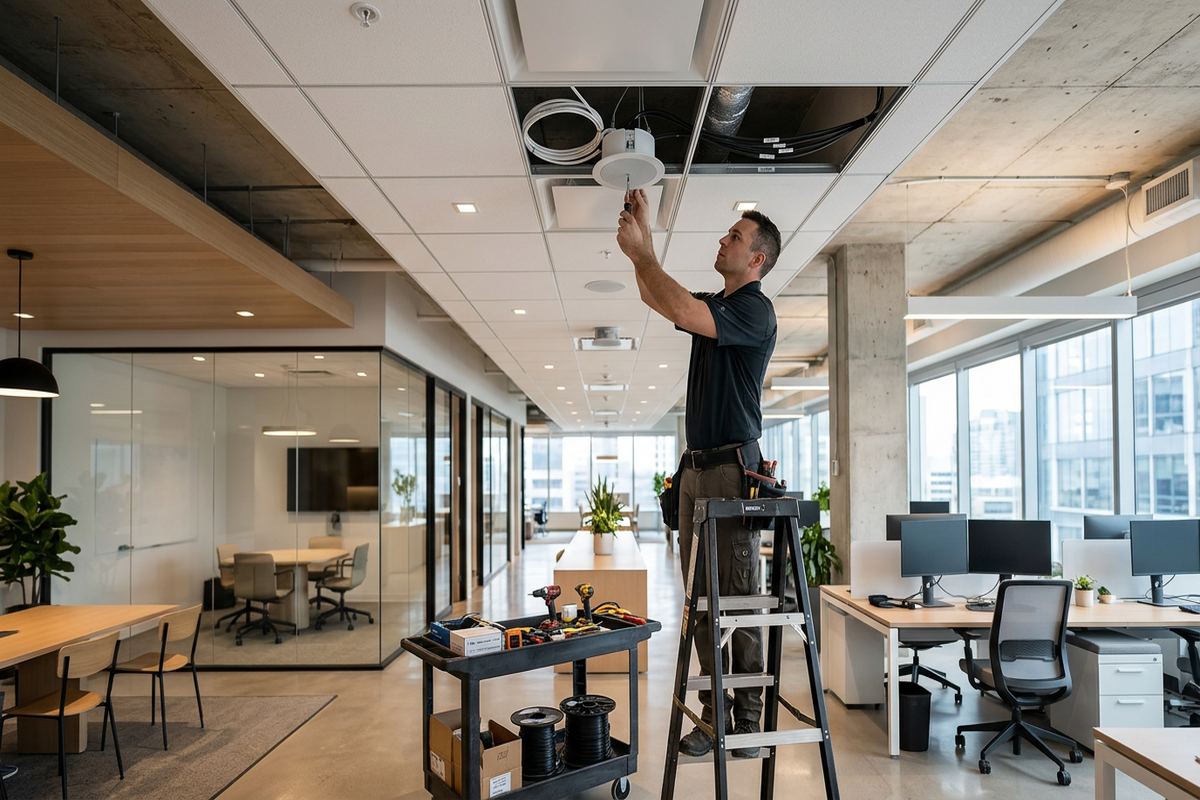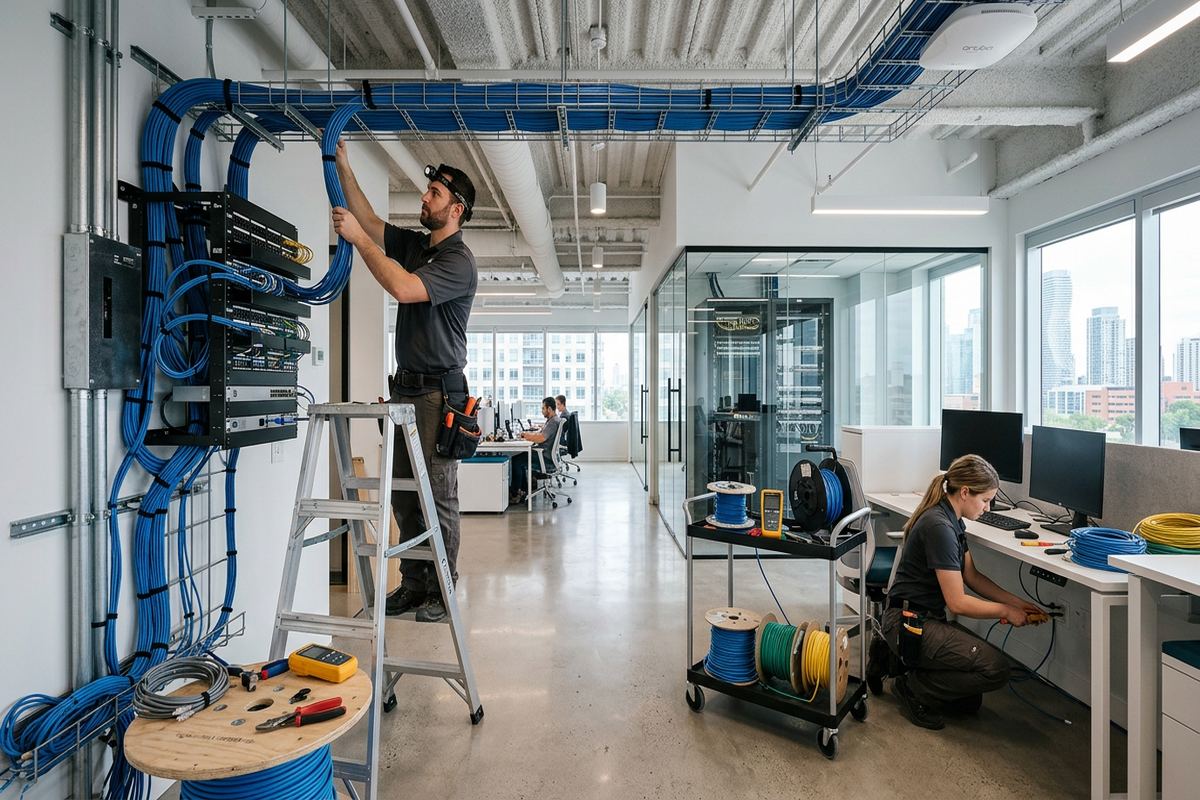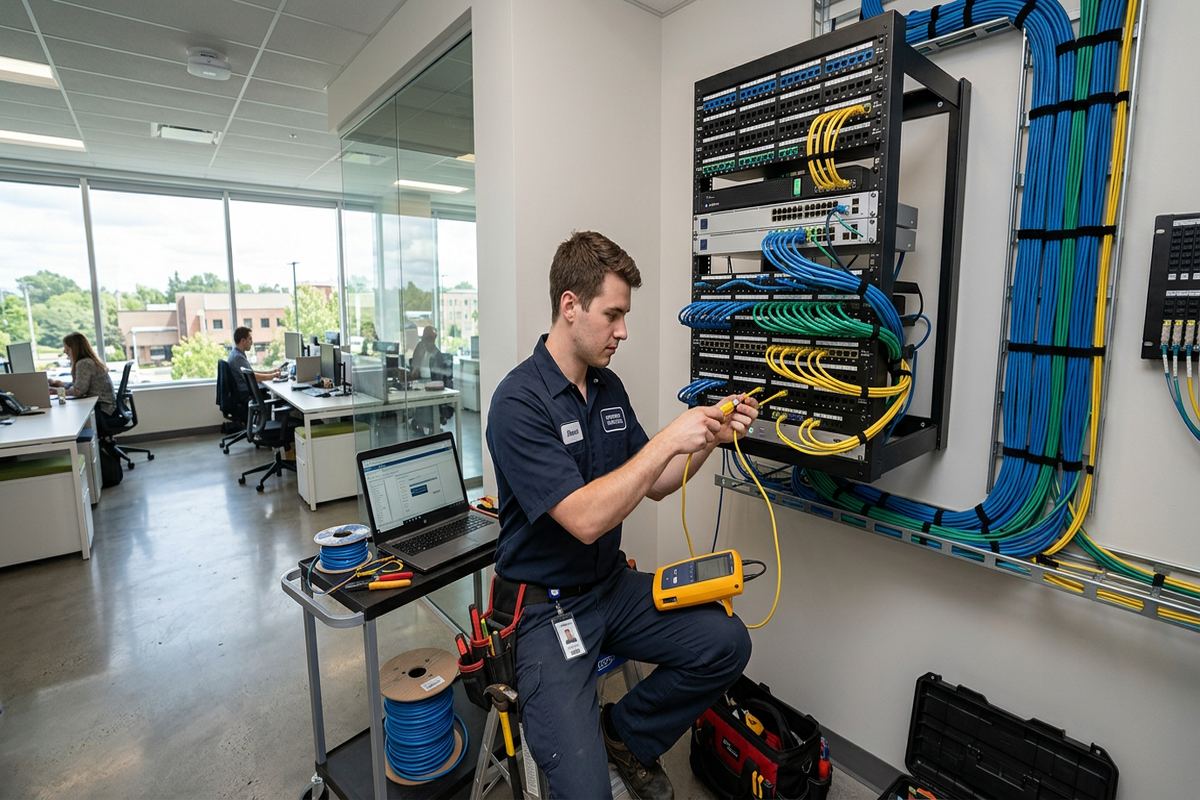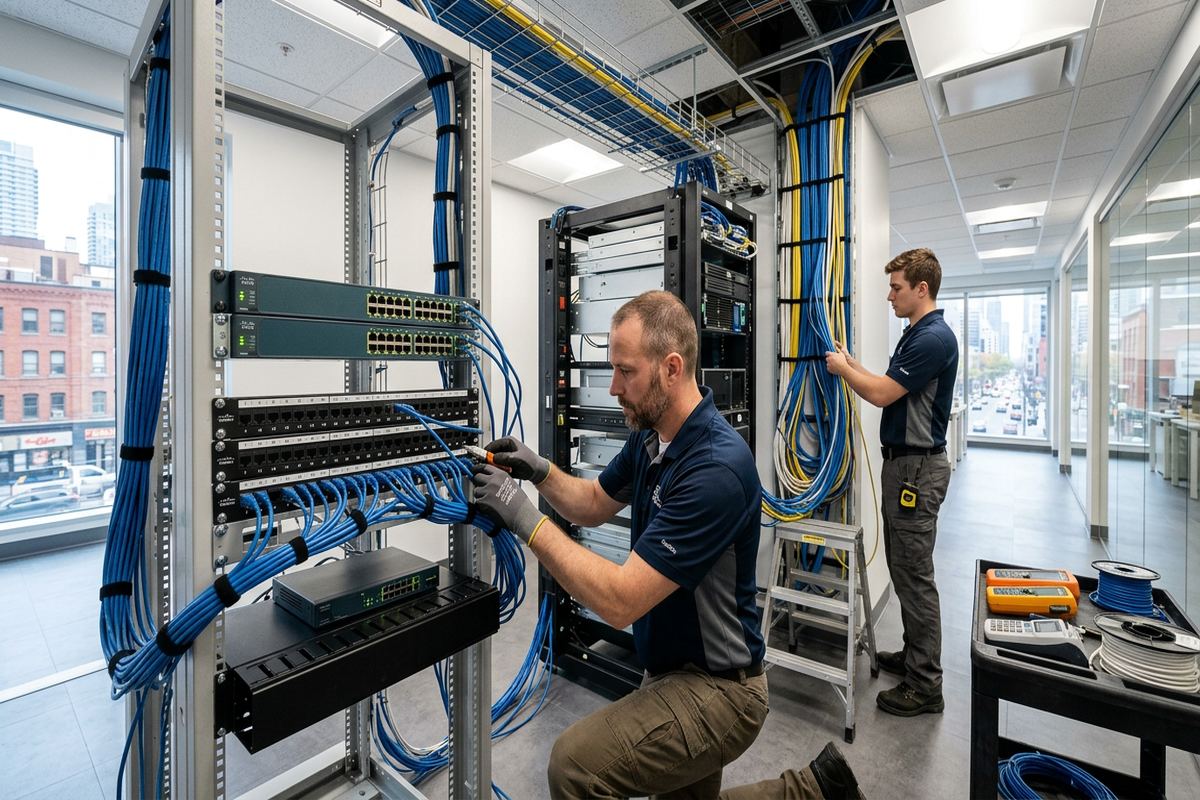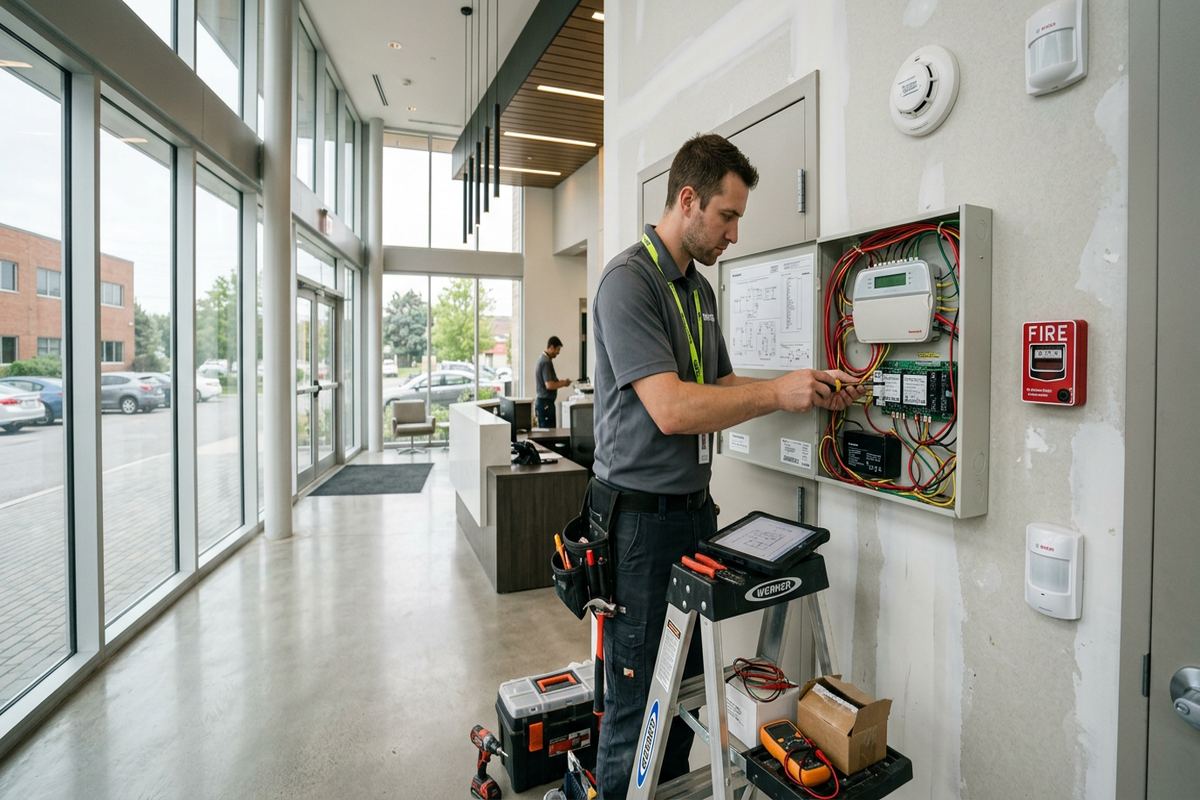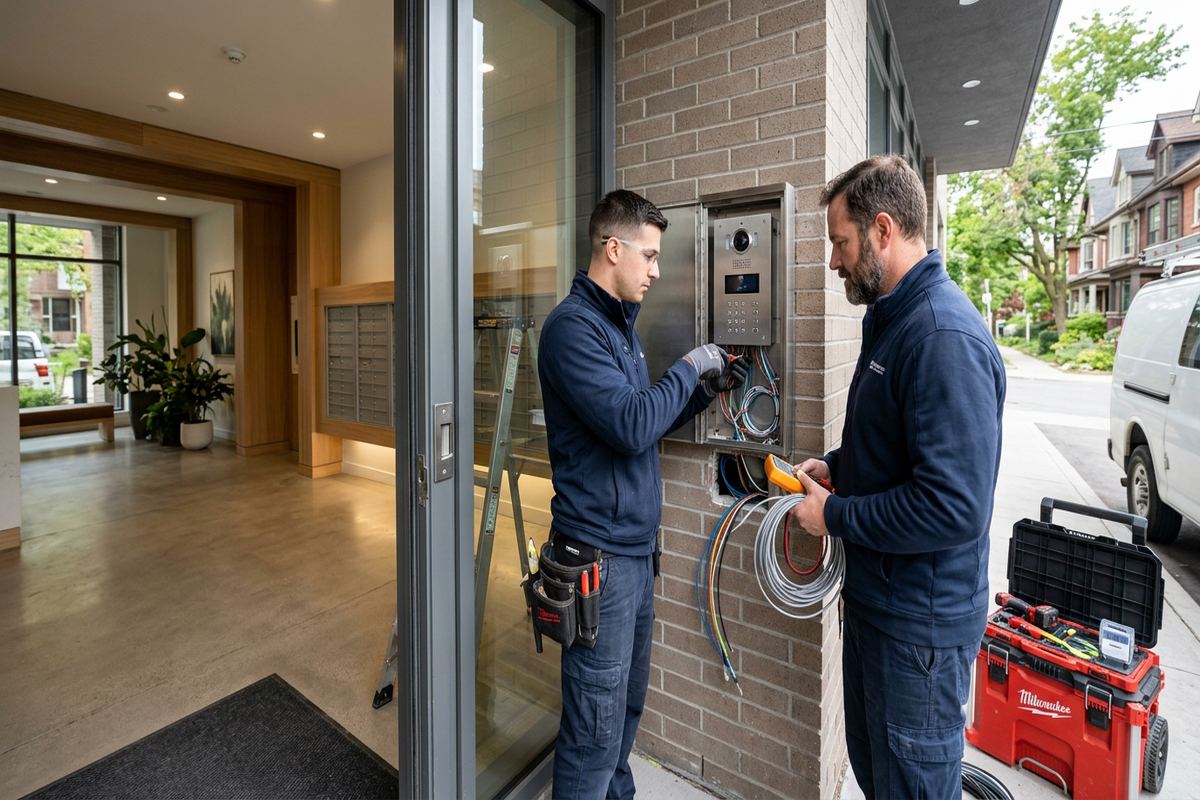
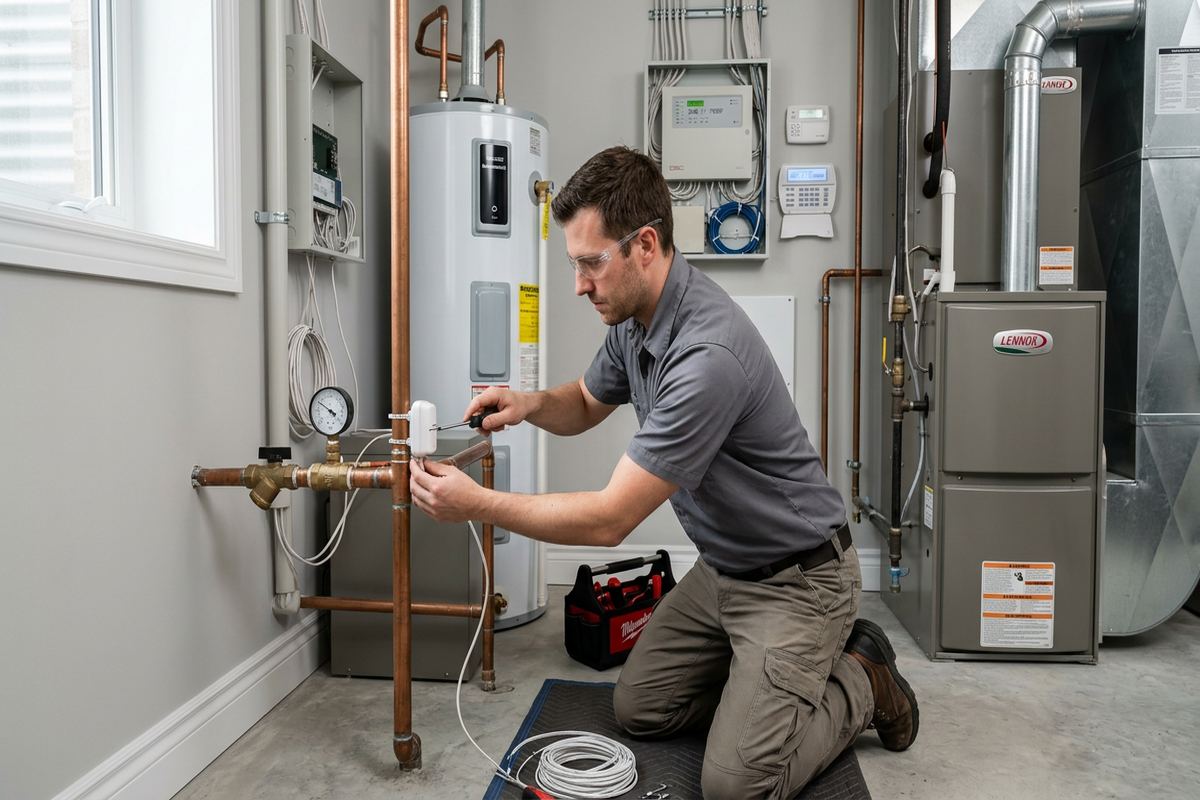
UnifiedLink installs commercial alarm systems for businesses, mixed-use properties and managed buildings across Georgina. We plan detection, notification, control and remote access around the site’s layout, operating hours and winter conditions. Every project starts with an assessment, followed by a written scope that defines equipment, cable routes, device locations, exclusions, ownership and warranty.
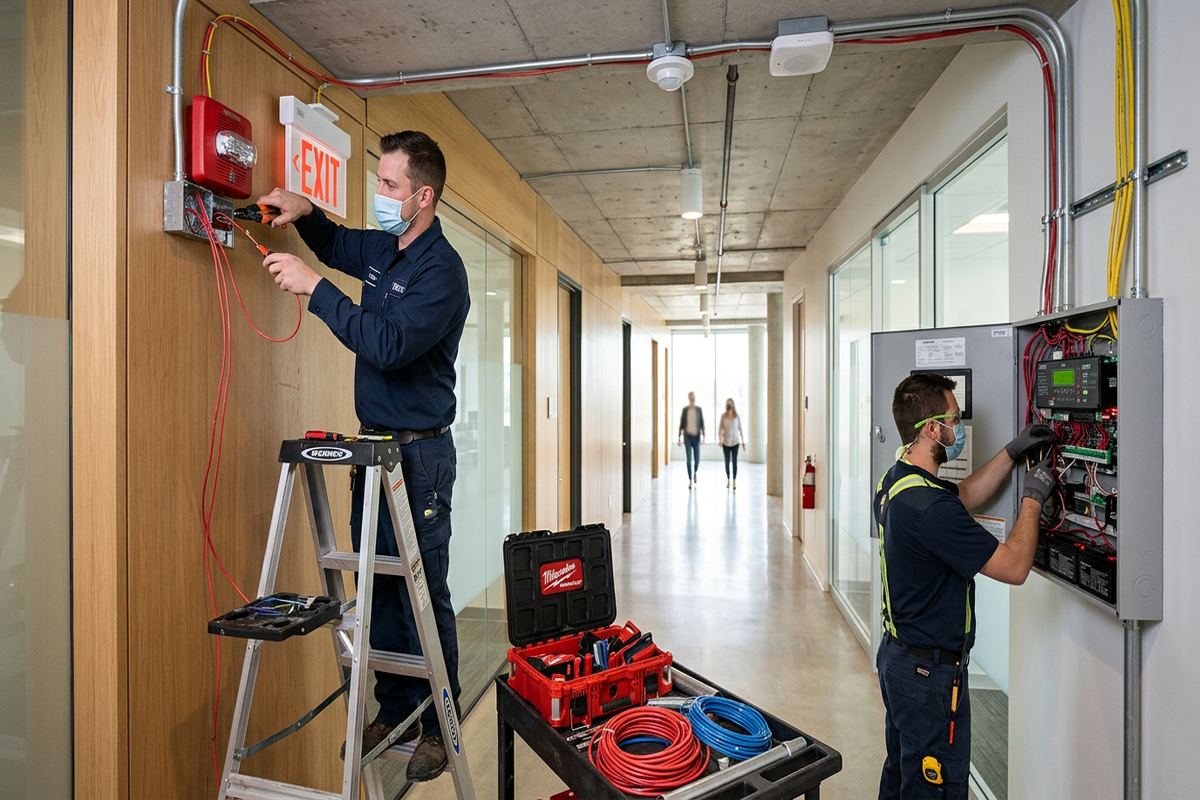
Commercial Alarm Installation for Georgina Properties
A commercial alarm system should reflect how a Georgina property is occupied, opened, closed and serviced. A retail unit in Keswick has different risks from a seasonal operation near Lake Simcoe, an office in Sutton or a workshop in Pefferlaw. We assess entrances, loading areas, public zones, staff-only rooms, utility spaces and accessible windows before selecting equipment. The resulting design can combine intrusion detection, door contacts, motion detectors, panic devices, audible notification and remote status tools without adding devices that have no defined purpose.
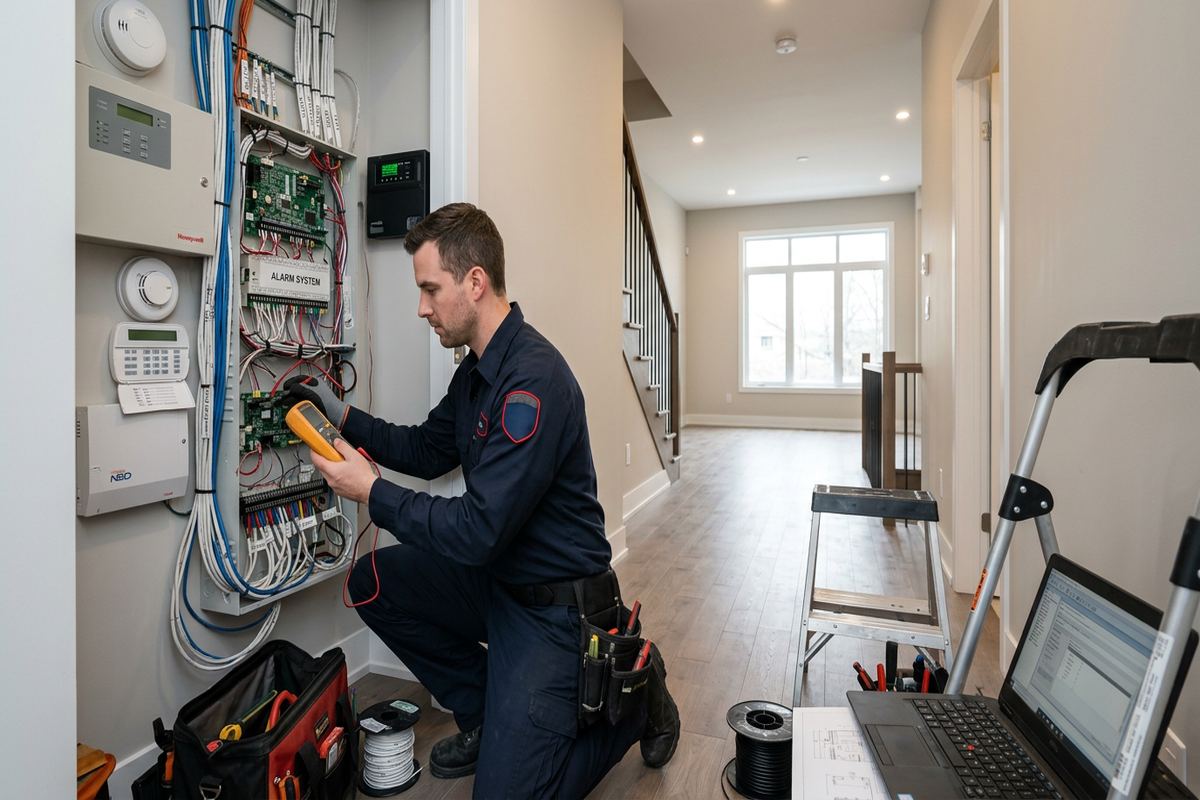
Local buildings vary in age, construction and previous renovation history. Frame construction often permits concealed cable routes, while masonry walls may require surface raceway, careful drilling or routes through service spaces. Older commercial units can also contain abandoned alarm wiring with unknown joints, damage or conductor identification. We test reusable infrastructure rather than assuming it remains dependable. Where new wiring is required, UnifiedLink installs continuous labelled cable runs, plans penetrations deliberately and records device locations so future troubleshooting does not depend on guesswork or undocumented cables.
Businesses also need practical control over who can arm, disarm and review alarm events. We configure user permissions around the customer’s operating structure rather than sharing one code among employees, cleaners and contractors. Managers can receive appropriate status information while ordinary users receive only the access needed for their duties. During handover, the system is placed under the customer’s own credentials, and an as-built record identifies installed equipment and relevant cable routes. This supports staff changes, maintenance and later additions without leaving control tied to an installer’s private account.
- Intrusion detection for doors, windows and interior areas
- User permissions matched to operational responsibilities
- Assessment of existing alarm wiring before reuse
- Documented device placement and cable routes
- One contractor accountable for installation and configuration
Planning a Georgina Commercial Alarm System
Before pricing, UnifiedLink completes a site assessment appropriate to the service and travel distance. The visit is used to understand the property, daily routines, after-hours access and any areas that need separate protection. We discuss who opens and closes, whether staff work alone, how deliveries arrive and which rooms contain equipment, records or inventory. In Georgina, we also consider seasonal occupancy and long periods when a building may be unattended. These details determine alarm zones, detector types, keypad locations, communication options and the notification workflow for actual operating conditions.
Following the assessment, the customer receives a written scope rather than an unexplained equipment list. It covers proposed devices, cable routes, placement, exclusions, equipment ownership and warranty. It can also identify work by others, such as electrical receptacles, network changes, ceiling access or repairs to finished surfaces. This makes it easier for owners, landlords, property managers and tenants to review responsibilities before installation. If the premises are leased or part of a condominium property, the scope can support approval requests for penetrations, common-area work and exterior hardware.
Alarm planning should distinguish intrusion events from environmental or operational conditions. A door contact can report an opening, but it cannot confirm why the door opened or whether the person entering was authorized. Motion detection can protect an interior area, although placement must account for heating equipment, moving displays, pets, curtains and stock arrangements. We explain these limitations and choose complementary devices where warranted. The objective is a system that produces useful information, avoids preventable nuisance alarms and remains straightforward enough that employees will arm it consistently at closing time.
- Written scope issued before installation begins
- Alarm zones planned around real operating routines
- Landlord and condominium approvals identified early
- Device limitations explained during system design
- Existing network and power needs reviewed
Detection Devices and Alarm Zones
Effective detection starts at likely entry points and continues through selected interior layers. Exterior doors may receive recessed or surface contacts depending on the frame, finish and exposure. Accessible windows, overhead doors and hatches can be included where their use and construction permit dependable sensing. Interior motion detectors provide another layer, but they require clear fields of view and suitable mounting heights. In commercial strips, shared walls, suspended ceilings and rear service corridors can affect routing and coverage, so each zone is planned from an on-site review rather than a generic floor plan.
Zone organization affects both daily use and event interpretation. A small storefront may need separate front-door, rear-door and interior zones, while an industrial unit could separate the office, warehouse, shipping area and overhead doors. Clear naming helps a user or monitoring operator understand where an event began. It also allows selected areas to remain active when authorized staff occupy another part of the building. UnifiedLink labels field cabling and configures descriptive zone names, reducing the confusion caused by numbered circuits that have no connection to recognizable rooms or openings.
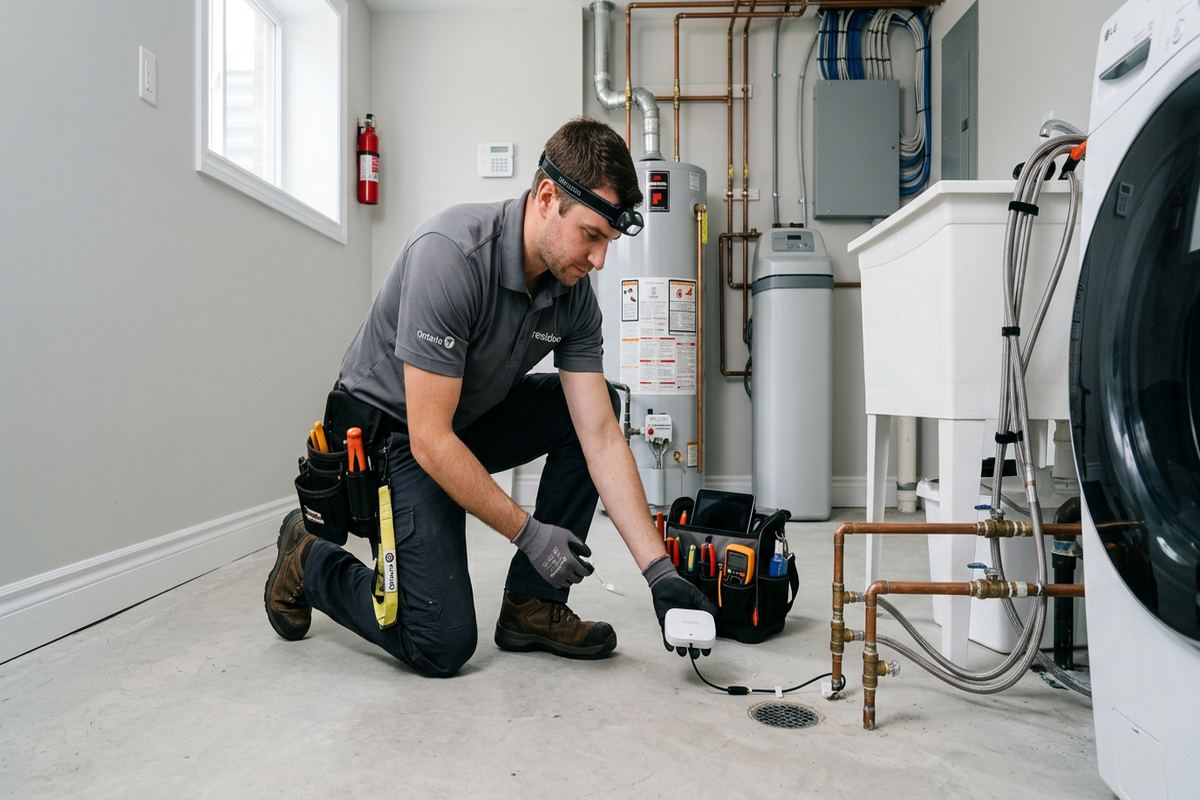
Special-purpose devices can be considered where the site and operating risk justify them. Panic buttons may suit a reception counter, cash-handling area or isolated office, provided staff understand activation and response procedures. Glass-break detection can supplement perimeter protection in spaces with substantial glazing, although room acoustics and obstructions must be assessed. Low-temperature or water sensors may help identify building conditions, but they are not substitutes for mechanical maintenance or inspection. We define what each device reports, how notifications are delivered and what action the customer expects after an event.
- Door, window and overhead-door contacts
- Interior motion and glass-break detection
- Clearly named alarm zones
- Optional panic and environmental devices
- Coverage reviewed for furniture and stock changes
Georgina, Ontario
Commercial alarm system installation in Georgina, scoped in writing first
Book a site assessment and get equipment, routes, exclusions, and warranty on paper before anything is installed.
Winter-Ready Alarm Installation in Georgina
Georgina’s Lake Simcoe setting makes winter exposure an important installation concern, particularly for cottages converted to commercial use, seasonal businesses and year-round properties left unattended overnight. Exterior devices and their mounting methods must suit low temperatures, wind-driven moisture and repeated freeze-thaw cycles. Hardware intended only for controlled indoor spaces should not be placed outside or in unheated areas. We review environmental ratings, mounting surfaces and cable entry points before specifying equipment. Remote status can then help an authorized user check system condition without treating an application as a substitute for physical inspection.
Exterior mounting requires more than fastening a device to the nearest wall. Brick, concrete block, siding and wood framing each call for different anchors, drilling methods and penetration details. Cable entries should shed water, avoid exposed upward-facing openings and be sealed with materials compatible with the surface. On masonry, careless drilling can damage faces or mortar joints; on frame construction, penetrations must avoid creating paths for moisture into the wall assembly. We plan these details so alarm hardware remains secure while limiting avoidable damage to the building envelope.
Unheated vestibules, detached storage buildings and service bays also affect detector selection. Temperature swings can change battery performance, condensation can affect connections, and moving warm air may cause poorly placed motion detection to behave unpredictably. Where wireless components are considered, we assess signal paths, construction materials and future battery access. Wired devices may be preferable when routes are practical, especially for heavily used openings. Georgina owners should also maintain heat, inspect weather seals and respond to low-temperature notifications; an alarm system can report conditions, but it cannot prevent frozen plumbing or building deterioration.
- Hardware selected for its installed environment
- Weather-conscious cable entries and sealing
- Mounting methods suited to masonry or framing
- Remote status for seasonally occupied properties
- Unheated areas reviewed separately
Alarm Communications and Remote Monitoring
An alarm panel needs a dependable method to communicate events, but the appropriate path depends on the property’s available services and the customer’s response plan. Internet, cellular or combined communication may be considered after checking signal conditions, network ownership and equipment compatibility. A network connection alone is not automatically resilient because routers, switches and local power can fail. Cellular performance can also vary by building construction and mounting location. During the Georgina assessment, we identify practical communication options and explain which components depend on customer-provided internet, power or ongoing service arrangements.
Remote access can show arming status, recent events and selected notifications, depending on the installed platform and service. It is useful for managers overseeing a Keswick storefront, a Sutton office or a seasonal site farther from their main workplace. Access should remain individual and revocable rather than shared through one general login. UnifiedLink configures available user roles on site and hands the system over under credentials controlled by the customer. Staff departures can then be handled by removing a user instead of changing access for every person who operates the alarm.
Professional monitoring and self-directed notifications are different response models. Monitoring can route qualifying signals to a service that follows established instructions, while application alerts rely on authorized users noticing and acting on them. Neither approach guarantees that every event is genuine or that an internet or cellular path will always be available. We document the intended signal flow, escalation contacts and customer responsibilities. If permits, registrations or response policies apply to a specific property or monitoring arrangement, the owner or manager should confirm current requirements with the relevant authority and service provider.
- Internet and cellular communication options reviewed
- Individual remote users instead of shared credentials
- Signal flow and dependencies documented
- Monitoring responsibilities defined in writing
- Network ownership confirmed before configuration
Installation in Occupied Commercial Spaces
Alarm work often takes place while a business remains open, so sequencing matters. We identify noisy drilling, ladder access, ceiling work and temporary restrictions before the installation date. Sensitive rooms, customer areas and active work zones can then be scheduled with the site contact. In a commercial strip, technicians may need to coordinate access above suspended ceilings or through shared service areas without disturbing neighbouring tenants. Industrial units may require attention to vehicle movement, stored materials and elevated work. The written scope records assumptions so access limitations do not emerge only after work starts.
Cable routes are selected for serviceability as well as appearance. Where concealment is practical, wiring may pass through wall cavities, accessible ceilings or designated pathways. Finished masonry, exposed structures and renovated spaces may require raceway or another visible method agreed before installation. UnifiedLink uses continuous labelled cable runs rather than hidden field splices that complicate fault finding. Cables are supported and separated from unsuitable electrical conditions, and openings are limited to those needed for the approved route. Any required firestopping or specialized restoration is identified in the scope, including responsibility for completion.
Testing is performed after devices, cabling and panel programming are in place. Contacts are checked at each opening, motion coverage is verified under realistic conditions, audible devices are operated and communication paths are confirmed where included. Users should know before testing if sounders or monitored signals could affect occupants or initiate a response. We coordinate test mode and notification steps with the designated contact. Deficiencies are corrected or documented rather than concealed at handover. The final as-built record gives the customer a practical reference for zones, devices and relevant cable routes.
- Work sequencing planned around occupied areas
- Continuous, labelled alarm cable runs
- Visible raceway agreed before installation
- Each device and zone function tested
- As-built information supplied at handover
Integrating Alarms with Other Building Systems
Commercial alarms can operate alongside cameras, access control and network infrastructure, but each system has a distinct purpose. A camera can provide visual context, while a door contact reports a change of state and access control manages authorized entry. Combining information can improve investigation, yet integration should not create unnecessary dependence between systems. We review compatible interfaces, network requirements and ownership boundaries before proposing connections. In Georgina properties with separate tenants or departments, permissions and data access must also reflect who is entitled to see events, users or recorded information.
Access-controlled doors require careful coordination because the alarm and access systems may interpret schedules differently. An employee could be authorized to unlock a door while the intrusion system remains armed, creating an avoidable alarm. Suitable integrations or operating procedures can reduce that conflict, but they must be defined around the equipment and business rules. Life-safety egress must never be compromised by convenience features. UnifiedLink documents the intended relationship between systems and identifies work that falls outside the alarm scope, including changes requiring another trade, authority, landlord or equipment provider.
Networked alarm components should be placed on infrastructure that the customer controls and understands. We confirm available ports, addressing needs, internet dependencies and credential ownership with the responsible contact. If Wi-Fi is involved, coverage at the device location must be assessed rather than assumed from a nearby office. Commercial units with dense masonry, metal shelving or separated outbuildings can present difficult signal paths. The handover identifies relevant network connections without exposing sensitive credentials in general documentation. Future IT changes should be coordinated because replacing routers, changing firewall rules or removing services can interrupt remote alarm functions.
- Alarm, camera and access roles kept distinct
- Door schedules coordinated where supported
- Network dependencies reviewed with site contacts
- Customer retains system and account credentials
- Integration exclusions stated in the written scope
Georgina Alarm Handover and Ongoing Changes
Handover is where the installed system becomes an operational tool for the customer. We demonstrate arming, disarming, bypassing permitted zones, reviewing common status messages and using available remote functions. Administrators are shown how to add or remove users within the platform’s capabilities, while ordinary staff receive only the steps relevant to their role. The customer receives control through its own credentials, along with an as-built record and the agreed warranty information. Equipment ownership is stated in the written scope so there is no uncertainty about leased, customer-owned or service-dependent components.
Commercial spaces change after installation. Shelving may be raised in a Pefferlaw unit, partitions may be added in Keswick, or a Sutton tenant may alter doors and opening hours. These changes can block motion coverage, disconnect contacts or make zone schedules unsuitable. Owners and managers should arrange a review before renovations rather than after nuisance alarms appear. They should also keep user lists current, test according to equipment and service guidance, replace applicable batteries when indicated and maintain current notification contacts. Documented changes help preserve an accurate record of the system.
UnifiedLink remains one accountable contractor for the alarm installation, configuration and documented handover included in the scope. Requests sent during business hours are answered the same day; after-hours requests are answered the next business day. Site assessment timing depends on the service and travel distance, including travel across Georgina communities such as Jackson’s Point, Virginia and Udora. When requesting an assessment, customers should describe the property type, approximate number of openings, current alarm equipment, occupancy schedule, desired remote access and any landlord, condominium or construction approvals already identified.
- On-site training for administrators and users
- Credentials handed over to the customer
- Equipment ownership and warranty documented
- System reviews recommended before renovations
- Same-day reply to business-hours requests
Georgina neighbourhoods we cover
- Keswick
- Sutton
- Jackson's Point
- Pefferlaw
- Udora
- Virginia
Commercial alarm system installation in Georgina — common questions
Can you reuse an existing alarm system in Georgina?
Existing panels, contacts and cabling can be assessed, but reuse depends on condition, compatibility, documentation and the customer’s required functions. Older Georgina properties may contain abandoned wiring, concealed joints or equipment tied to a previous provider. We test what is accessible and identify reusable components in the written scope. Equipment is not assumed serviceable simply because it remains mounted.
Will the alarm work during a Georgina winter outage?
Operation during an outage depends on panel batteries, communication paths, connected network equipment and the duration of the interruption. A panel battery does not necessarily keep the customer’s modem, router or other dependent equipment running. We document these dependencies and discuss available communication options. Batteries require periodic attention, and no backup arrangement should be treated as providing unlimited operation.
Do I need landlord or condominium approval?
Approval may be needed when work affects exterior walls, common areas, shared ceilings, building systems or surfaces controlled by a landlord or condominium corporation. This is relevant for leased commercial units and mixed-use properties in Georgina. We can provide a written scope showing proposed devices and routes, but the tenant or owner remains responsible for obtaining required property approvals before work begins.
Can managers control the alarm remotely?
Remote functions may include arming status, user management and event notifications, depending on the chosen platform and service. For Georgina businesses with multiple locations or seasonal schedules, individual accounts are preferable to shared credentials. We configure supported permissions on site and hand control to the customer. Remote access still depends on communication services, power and compatible equipment remaining available.
Can an alarm be installed in an occupied business?
Yes, many installations can be sequenced around business operations. We discuss drilling, ceiling access, ladders, sounder tests and restricted work areas before scheduling. Commercial strips and industrial units in Georgina may also require coordination with landlords, neighbouring tenants or site safety contacts. Access conditions and assumptions are recorded in the scope so the customer can plan staff and public areas accordingly.
How soon can I arrange a Georgina site assessment?
Requests sent during business hours are answered the same day, while after-hours requests are answered the next business day. The timing of a Georgina site assessment depends on the required service and travel distance. Providing the address, property type, occupancy schedule, existing equipment and main alarm concerns helps determine what the assessment should cover and who should attend from the customer’s organization.
Coverage in Georgina is confirmed against the address before we quote. See everything we install in Georgina or the province-wide commercial alarm system installation page.