UnifiedLink installs home alarm systems for houses, chalets, condos, short-term rentals and resort properties in Collingwood. We assess the property, plan sensor locations and cable routes, configure remote access and document the completed system. Each project receives a written scope before installation, helping owners understand the equipment, responsibilities, exclusions and warranty terms.
Home Alarm Planning for Collingwood Properties
A useful alarm system starts with the property rather than a standard equipment package. In Collingwood, that property might be an older home near Downtown Collingwood, a newer house in Georgian Meadows or a chalet used mainly on weekends. We assess entrances, accessible windows, attached garages, lower levels, utility spaces and normal movement through the building. Occupancy patterns matter because a full-time residence operates differently from a short-term rental or seasonal property. The resulting design balances perimeter detection, interior coverage, practical arming methods, remote access and the likelihood of avoidable alarms.
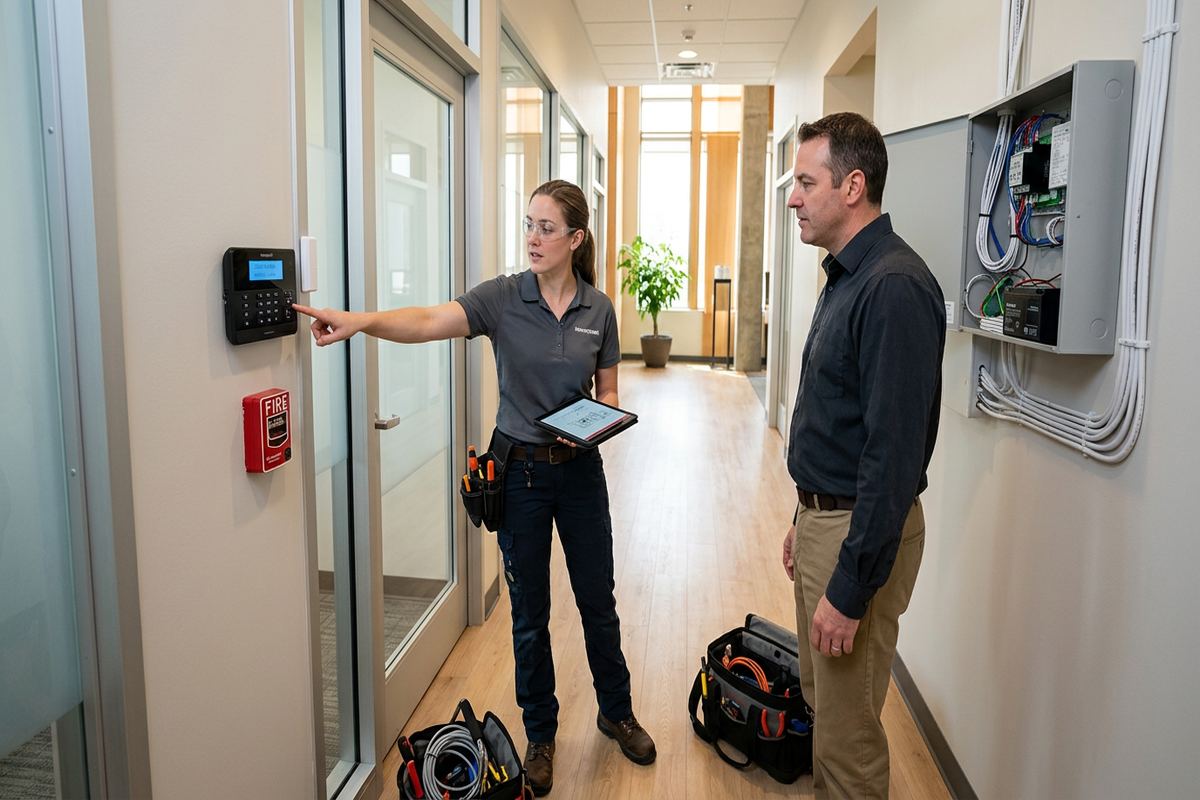
Before pricing, UnifiedLink completes a site assessment appropriate to the service and travel distance. The assessment identifies construction type, panel location, available power, communication options and places where wiring can be concealed. It also examines how residents, guests, cleaners, contractors or property managers enter and leave. These details determine whether separate user codes, partitions, schedules or app permissions are appropriate. Following the assessment, we provide a written scope covering equipment, cable routes, device placement, exclusions, equipment ownership and warranty, so the proposed work can be reviewed before installation begins.
System design also considers what should happen during an internet interruption, power outage or prolonged absence. Depending on the selected equipment and service arrangement, options may include battery backup, cellular communication, local sirens and notifications through a mobile application. Reliable remote operation still depends on appropriate network coverage, particularly in larger chalets and resort properties. We identify these dependencies instead of treating the alarm as an isolated device. If Wi-Fi improvements or structured cabling are needed, they can be documented separately and coordinated under one accountable contractor for a clearer installation process.
- Site assessment completed before pricing
- Door, window and interior detection planning
- Options for seasonal and full-time occupancy
- Written equipment and installation scope
- Remote access and network dependencies reviewed
Alarm Components Selected for the Building
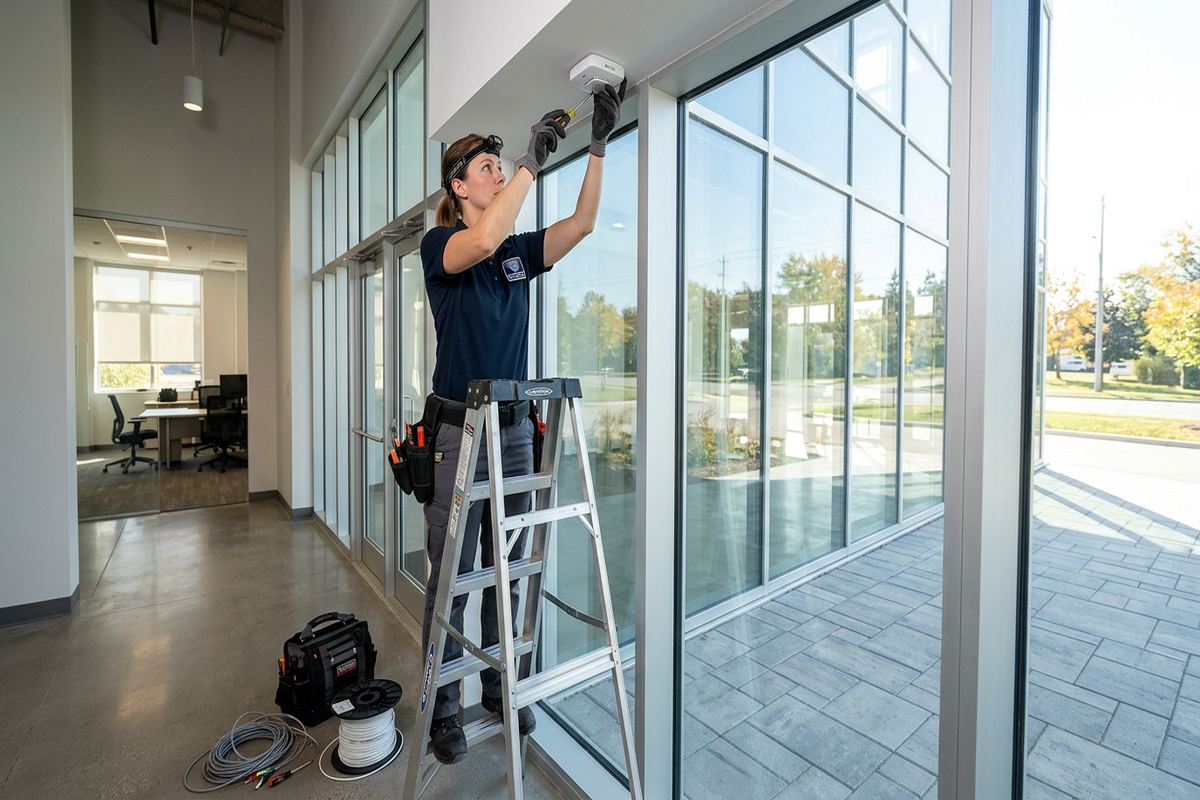
Alarm equipment should match the risks, layout and daily use of the building. Typical components include door contacts, window contacts, motion detectors, glass-break detectors, keypads, sirens and a central control panel. Smoke, heat, low-temperature or water sensors may also be considered where compatible and suitable, but their roles must be clearly distinguished from required life-safety systems. We explain what each device detects, where it will be installed and how it communicates. This avoids filling a property with unnecessary hardware while leaving important entrances, lower windows or utility areas without suitable coverage.
Wired and wireless devices each have practical uses. Continuous labelled cable runs can provide stable connections where routes are accessible, especially during renovations or before walls are closed. Wireless sensors can reduce disturbance in finished interiors, masonry walls or areas with difficult cable access, although battery maintenance and signal conditions must be considered. Many Collingwood properties benefit from a mixed approach. An older frame house may permit discreet basement or attic routes, while a finished condo or chalet may require wireless devices and carefully located wired infrastructure around the panel, communicator and network equipment.
Device placement must account for pets, heating equipment, sunlight, curtains and ordinary household movement. A motion detector aimed toward a large sunlit window or active fireplace can behave differently from one placed across a controlled interior route. Door contacts also require proper alignment and mounting for the specific frame. We assess these details on site and test devices after installation. Owners receive an explanation of detection areas, arming modes and maintenance needs. The objective is understandable coverage that residents and authorized guests can use correctly, rather than an overly complicated system that is regularly bypassed.
- Door and window contact options
- Pet-aware motion detection where appropriate
- Wired, wireless or hybrid system design
- Compatible environmental sensor planning
- Keypad and siren placement review
Remote Access for Collingwood Chalets and Rentals
Remote access is particularly useful for Collingwood chalets, short-term rentals and resort properties that may stand empty between visits. A compatible alarm platform can let an authorized owner check status, arm or disarm the system and manage user access without sharing one permanent code. The exact functions depend on the selected equipment, internet connection and any related service plan. During setup, we configure available features on site and help establish roles for owners, family members, property managers or cleaners. Credentials remain with the customer rather than being retained as an installer-controlled account.
Guest access needs firm boundaries. Reusing a master code for every booking makes it difficult to remove access or determine who used the system. Where supported, individual or temporary codes can separate guests from cleaners, maintenance workers and owners. Notifications should also be planned carefully so the right person receives useful information without being overwhelmed by routine events. We discuss code management, arming expectations and turnover procedures during commissioning. For landlord-operated homes or managed resort units, responsibilities should be documented so occupants understand the alarm without receiving control over administrative settings or other authorized users.
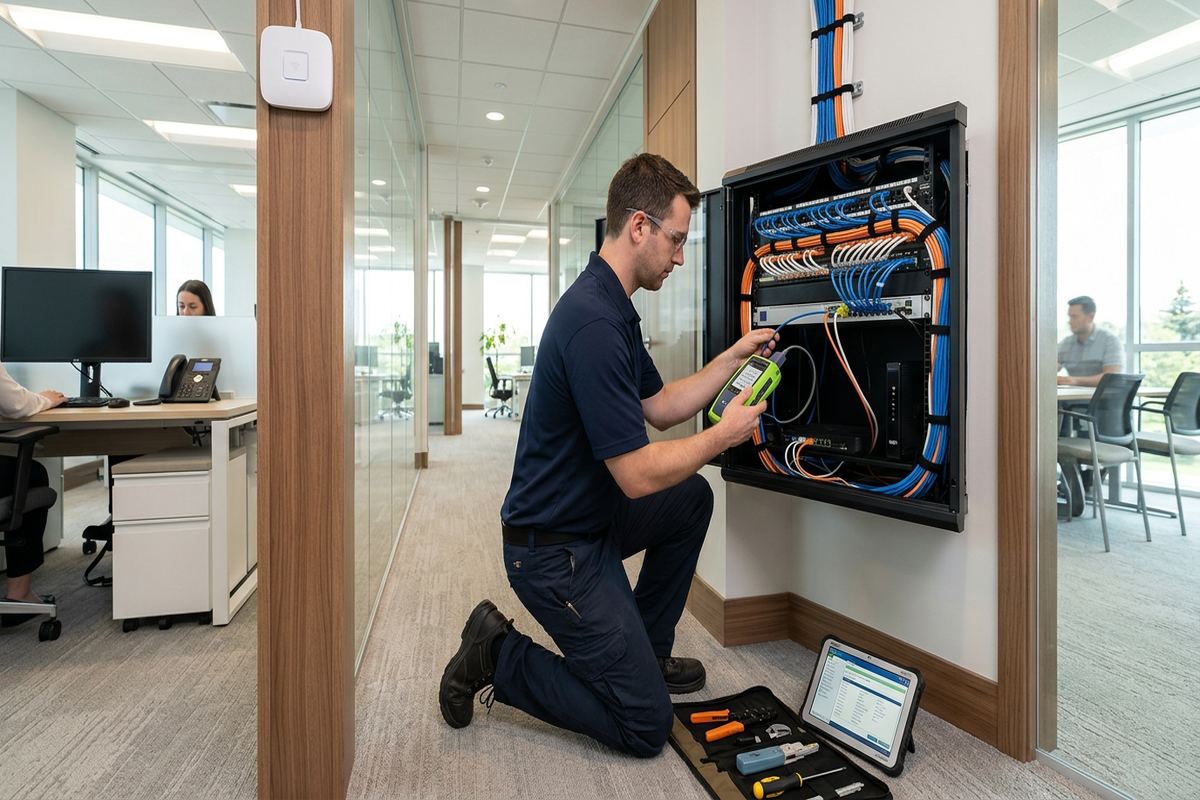
Reliable remote operation depends on reliable communications. Large chalets, multiple floors, detached areas and construction materials can produce weak Wi-Fi coverage, while an alarm panel hidden in a mechanical room may have poor wireless connectivity. Lighthouse Point and Blue Mountain area properties may also be subject to condominium, resort or landlord rules governing equipment and network changes. We assess where the panel, communicator and access points should sit, then identify any network work outside the alarm scope. Remote access is tested on site using the customer’s credentials before the system is handed over.
- Owner-controlled mobile application setup
- Separate codes for guests and contractors
- Permission planning for property managers
- On-site remote notification testing
- Wi-Fi coverage reviewed before handover
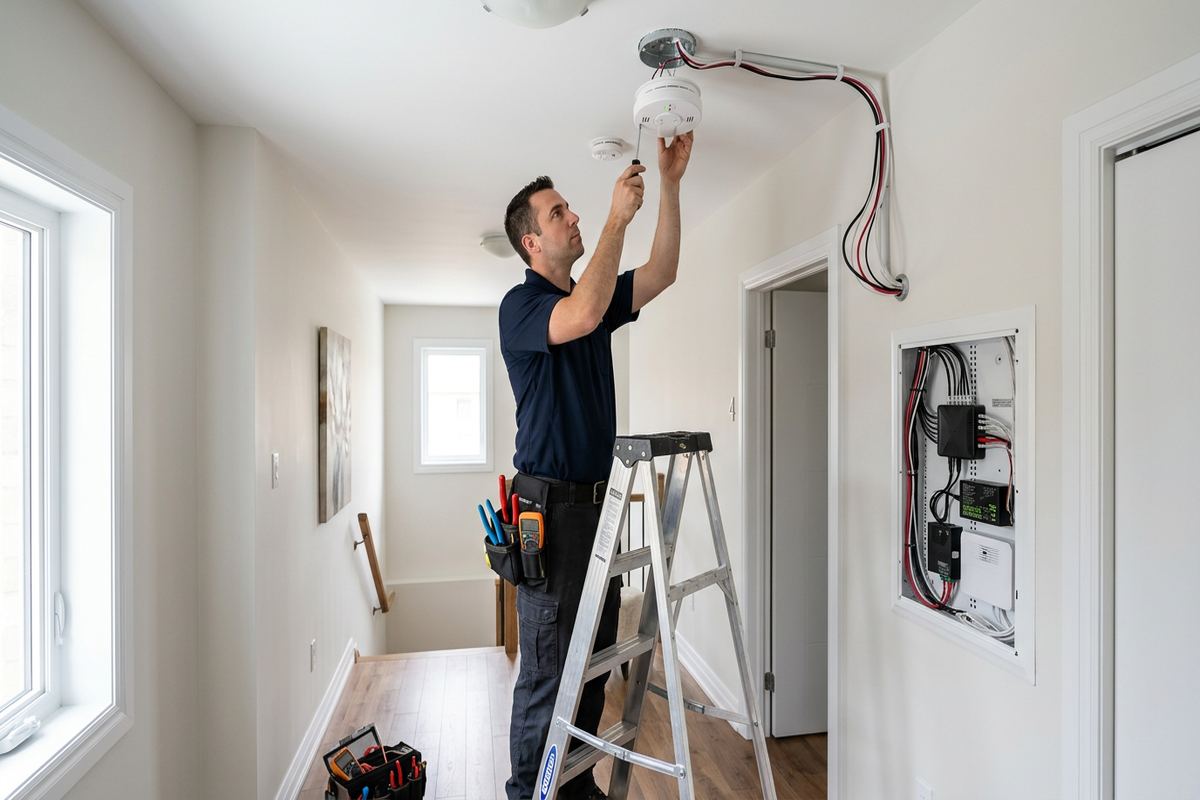
Collingwood, Ontario
Home alarm system installation in Collingwood, scoped in writing first
Book a site assessment and get equipment, routes, exclusions, and warranty on paper before anything is installed.
Collingwood Installation and Cable Routing
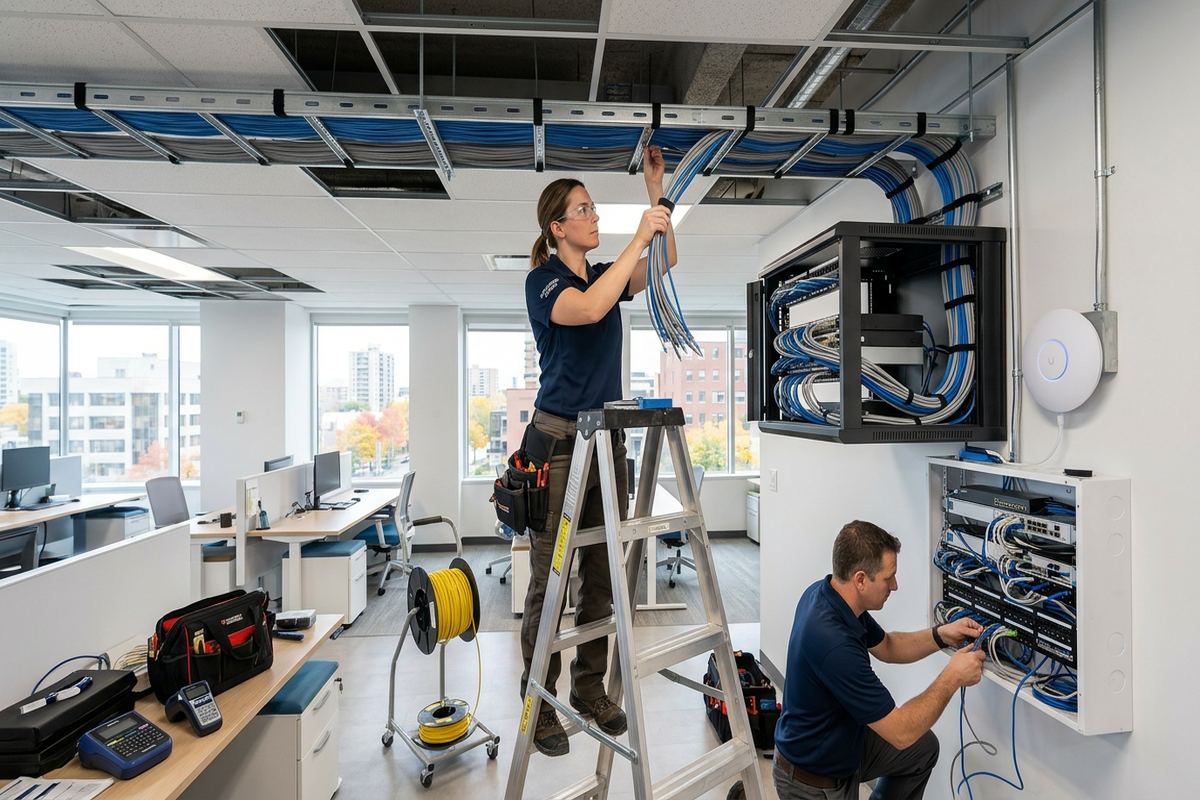
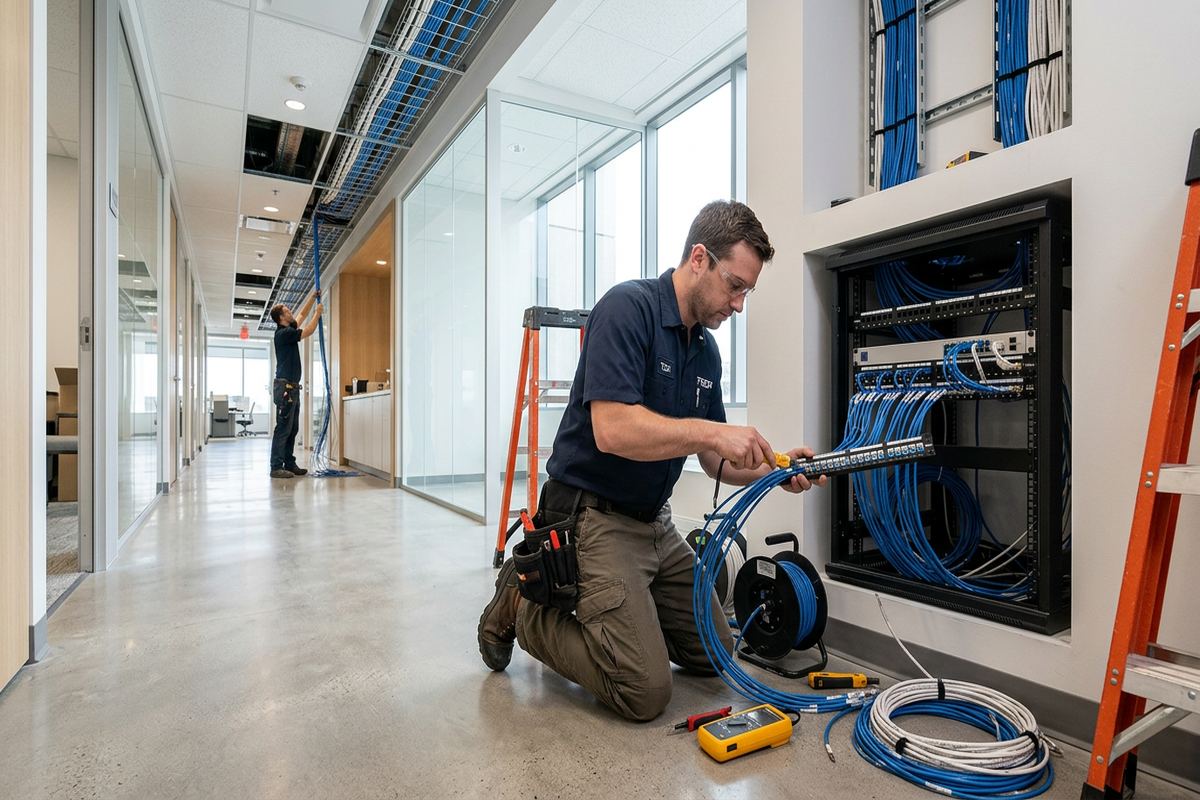
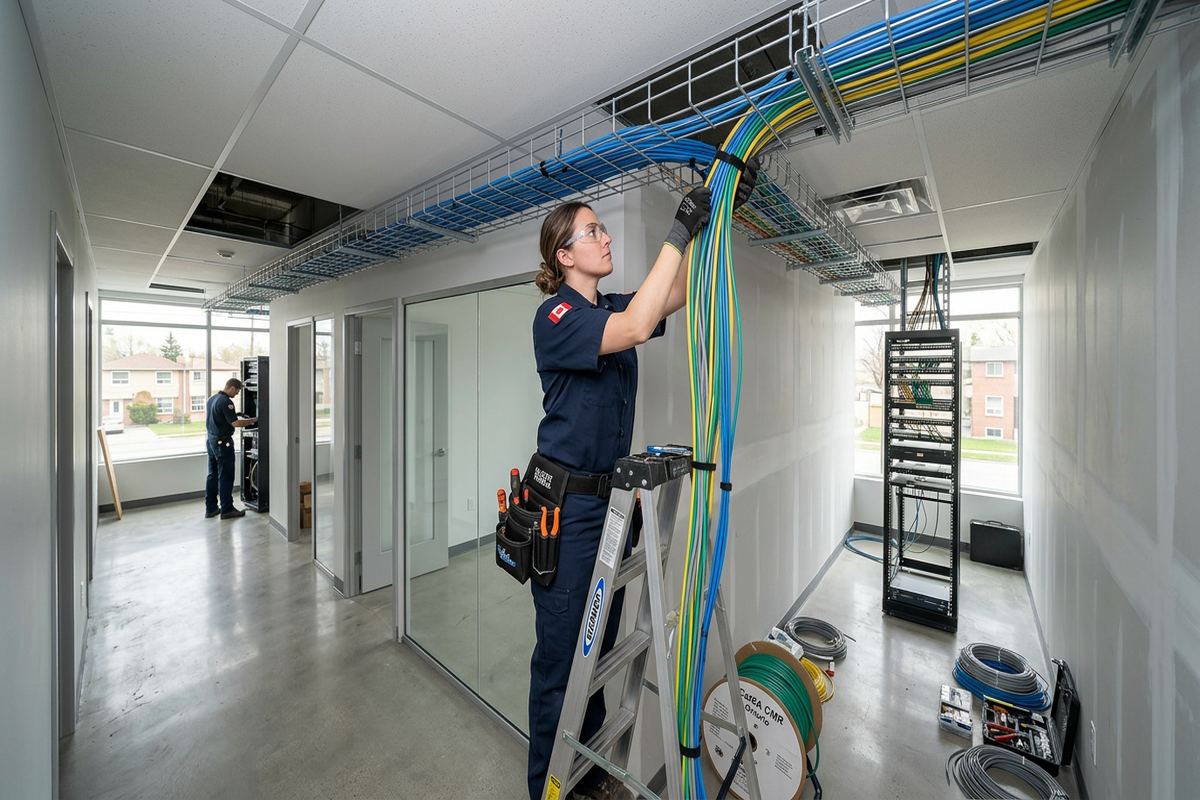
Installation methods vary with the building’s age, finish and construction. Downtown Collingwood properties may include older framing, additions, masonry sections or previous wiring from several generations of security equipment. Newer homes in Creekside or Georgian Meadows can still present finished basements, insulated garages and limited routes between floors. We trace usable paths before drilling and explain visible sections where concealment is not practical. Any new hardwired connections use continuous labelled cable runs rather than undocumented joins hidden behind finishes. This supports testing, future service and a clear relationship between each field device and the control equipment.
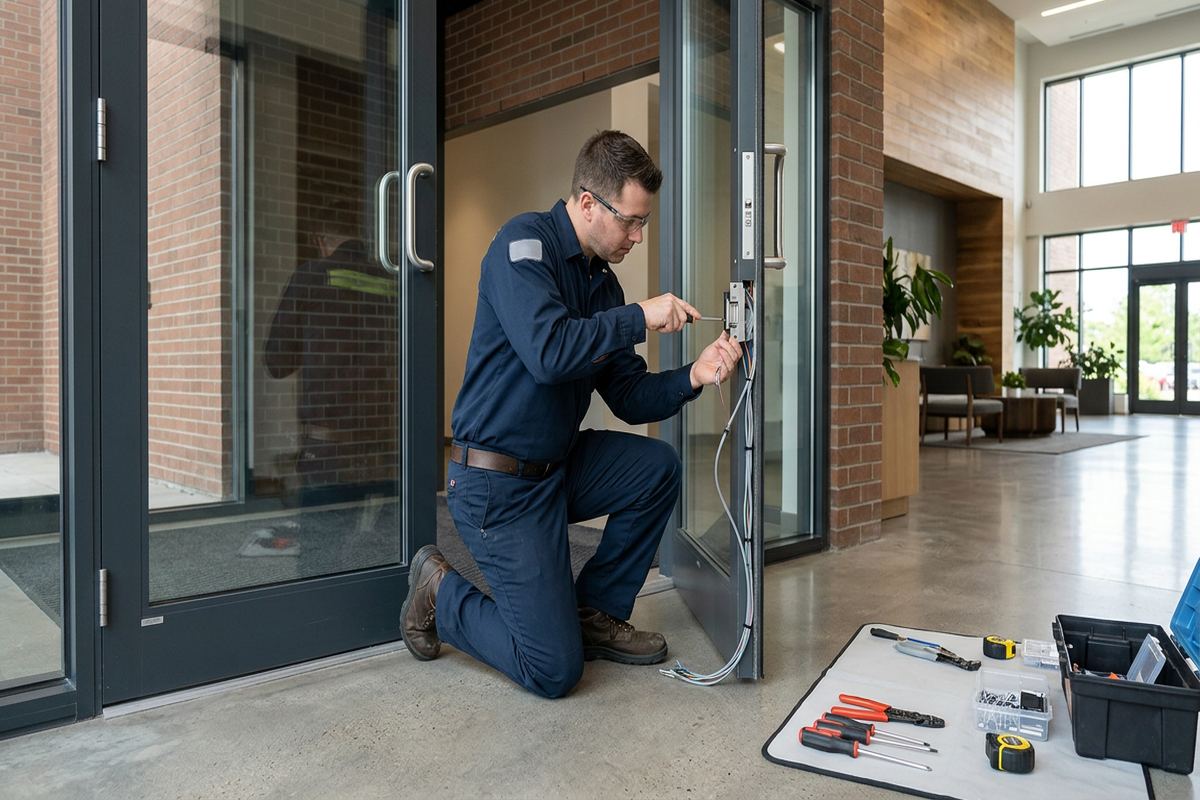
Masonry and frame construction require different fastening and routing choices. Brick, block or concrete may call for surface pathways or carefully drilled penetrations, while frame walls may provide concealed routes through basements, attics or service cavities. Exterior penetrations need suitable placement and sealing because Collingwood winters expose assemblies to snow, moisture and repeated freeze-thaw conditions. We avoid treating indoor alarm devices as weatherproof equipment. Where exterior contacts, sirens or related devices are proposed, their environmental rating, mounting surface, cable entry and exposure are reviewed before they become part of the written installation scope.
Occupied properties require controlled work practices and coordination around residents, guests or tenants. We confirm device locations before mounting, protect nearby finishes and test wiring as installation proceeds. Condo corporations, landlords or resort managers may require approval for drilling, common-area access, exterior devices or changes involving shared communications. The property owner is responsible for obtaining required permissions, and exclusions are recorded in the scope. When another trade must provide power, repair finishes or open a restricted pathway, that dependency is identified in advance rather than being discovered after alarm equipment arrives on site.
- Continuous labelled alarm cable runs
- Routes planned for masonry and framing
- Exterior penetrations sealed for local weather
- Device locations confirmed before mounting
- Condo and landlord approvals identified
Alarm Installation for Homes, Condos and Mixed-Use Sites
A detached home commonly needs coverage at primary doors, garage entries, accessible basement windows and interior circulation points. The final arrangement depends on how occupants move through the house at night, whether pets are present and which areas need independent control. A keypad near the everyday entrance may be useful, but mobile control should not replace an understandable local method of operating the system. In Collingwood homes with additions or converted lower levels, partitioning may help separate living areas, rental space or an attached workspace when the chosen platform supports that function.
Condos and resort units usually involve different boundaries. The owner may control devices inside the unit but not corridors, shared entrances, exterior walls or common network equipment. Lighthouse Point and Blue Mountain area installations can therefore require written approval before cabling, exterior contacts or communications hardware are changed. Wireless sensors may reduce intrusion into finished surfaces, but they do not eliminate permission, signal or maintenance considerations. We define which areas are included, who supplies internet service and where equipment can be mounted. Shared building security is not assumed to provide the same protection as an alarm within the unit.
Home alarm experience can also inform small commercial or mixed-use projects, although those sites need their own assessment. Shops along commercial strips may have glazed doors, rear delivery entrances, public hours and staff access requirements. Industrial units can include overhead doors, high ceilings, partitioned offices and metal construction that affects wireless communication. A residence above or beside a business may require separate partitions and user permissions. We document the intended use of each area rather than extending a residential design without review. Fire, building-code or insurer requirements remain separate considerations requiring appropriate professional confirmation.
- Detached home perimeter and interior coverage
- Condo-unit installation within approved boundaries
- Partitions for separate areas where supported
- Access planning for staff or contractors
- Mixed-use layouts assessed independently
Commissioning Your Collingwood Alarm System
Commissioning turns installed equipment into a working, understandable system. Each sensor is identified, activated and checked at the control panel. We verify zone descriptions, entry and exit delays, siren operation, keypad behaviour and available communication paths. Mobile functions and notifications are tested where they are included and supported. Testing also confirms that doors and windows close normally after contacts are fitted. A device appearing in an application is not enough; its physical trigger, displayed name and intended response must agree. Any outstanding dependency is recorded instead of being concealed by temporary settings or bypassed zones.
User setup is completed with the customer’s own credentials. Administrative accounts, recovery information and authorized users should remain under customer control, particularly for rental or managed properties where access changes frequently. We review everyday arming, stay modes, disarming, alarm cancellation procedures and the method for adding or removing codes. If monitoring is included through a third party, responsibilities and communication procedures must be understood separately. UnifiedLink does not assume that every notification indicates a verified emergency. Owners should establish a response plan suited to occupancy, distance from the property and any applicable monitoring arrangement.
At handover, the customer receives an as-built record showing the installed devices and relevant system information. Cable labels, zone names and documented equipment locations make later troubleshooting or expansion more direct. The written record also notes exclusions and known dependencies, such as customer internet service, third-party subscriptions or equipment supplied by others. We explain routine checks and the signs that a sensor battery, communication path or contact alignment needs attention. For Collingwood properties used seasonally, this documentation helps owners, property managers and authorized service providers understand the installation even when the primary resident is away.
- Every alarm zone activated and tested
- Customer-controlled administrator credentials
- Mobile functions tested where included
- As-built record supplied at handover
- System operation explained on site
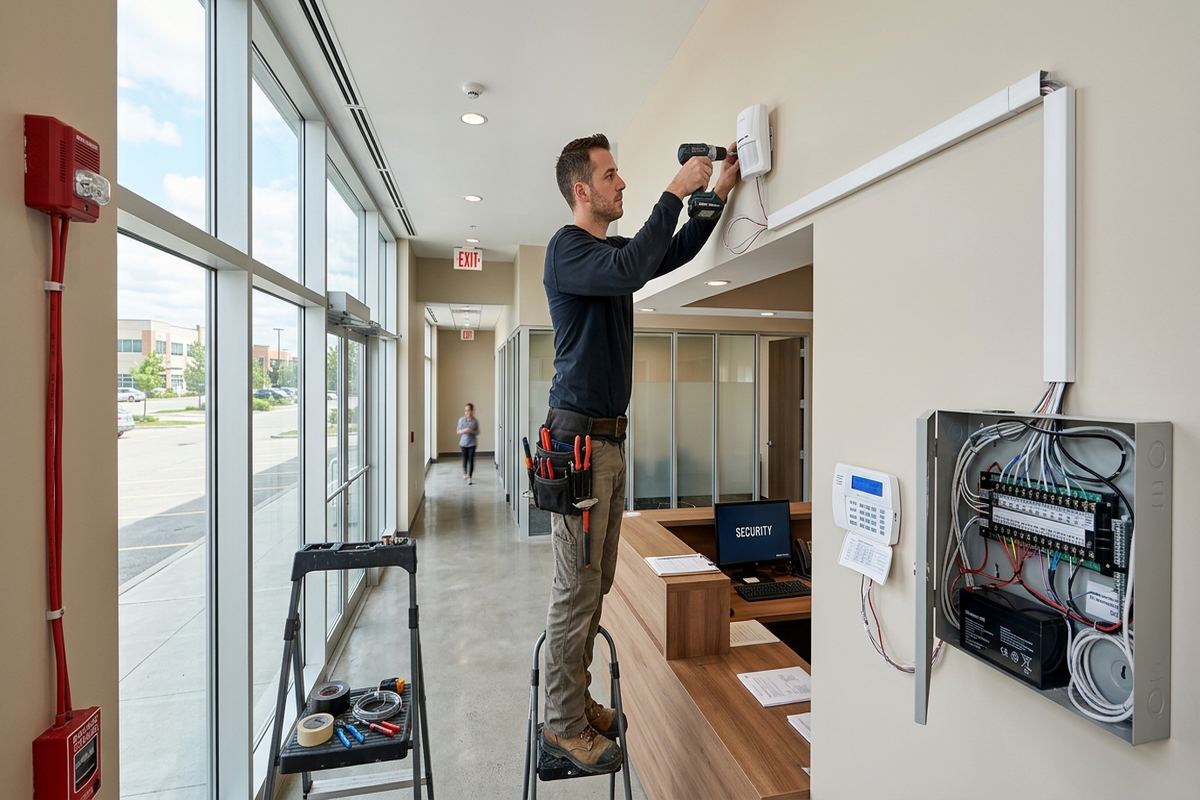
Reducing False Alarms and Maintenance Issues
False alarms often result from application, placement or user errors rather than a failed control panel. Loose doors, misaligned contacts, moving decorations, unsecured windows and unsuitable motion-detector locations can create preventable events. In rental properties, guests may also leave without arming correctly or enter through a door that has an unfamiliar delay. We address these risks through device selection, clear zone naming and practical user instructions. No design can eliminate every unwanted alarm, but thoughtful commissioning makes the cause easier to identify and gives authorized users a consistent method for operating the system.
Collingwood’s winters add maintenance considerations for doors, windows and exterior mounting points. Freeze-thaw cycles can affect alignment as materials move, and snow or moisture may expose poorly sealed penetrations. Heated and unheated areas also behave differently, particularly around garages, vestibules and seasonal utility spaces. Alarm contacts should be checked when a door becomes difficult to close or its frame shifts. Exterior-rated equipment still needs inspection for physical damage and failed seals. Environmental sensors may provide useful information, but they do not replace building maintenance, winterization or direct investigation of heating and plumbing concerns.
Routine ownership tasks include testing the system, replacing sensor batteries when indicated, keeping contact surfaces secure and maintaining internet or cellular services used for communication. Software and application access should be reviewed when residents, cleaners or property managers change. Rental codes should not remain active indefinitely, and administrator permissions should be limited. Owners should also update documentation after renovations, replacement doors or network changes. UnifiedLink can assess requested modifications before work is priced. Keeping the as-built record current prevents later changes from producing unidentified zones, abandoned wiring or devices that no longer match the layout.
- Sensor placement intended to reduce nuisance events
- Clear names for doors and detection zones
- Seasonal checks for shifting frames
- User permissions reviewed after occupancy changes
- Documentation updated after system modifications
Arranging Alarm Installation in Collingwood
The process begins with a discussion of the property, occupancy and reason for installing or replacing an alarm. Useful details include the building type, approximate layout, renovation status, existing equipment, internet availability and whether the property is owner-occupied, rented or managed. Photographs and plans can help with preparation, but they do not replace an assessment where site conditions affect pricing. Requests sent during business hours are answered the same day, while after-hours requests are answered the next business day. Site assessment timing depends on the service required and travel distance.
During the assessment, we review likely sensor locations, panel access, power, communication methods and cable routes. Existing alarm wiring may be reusable, but it must be identified and tested before inclusion in a new design. Equipment from a previous provider may have compatibility, ownership or account restrictions, so reuse is never assumed. For Collingwood condos, rental properties and resort units, owners should disclose approval requirements and management contacts early. This allows the scope to separate work inside the property from common elements, third-party services and tasks that require authorization or another contractor.
After the assessment, the written scope gives both parties a defined basis for the installation. It covers equipment, cable routes, device placement, exclusions, equipment ownership and warranty. Approved work is then scheduled, installed, configured and tested on site. Handover includes the customer’s own credentials and an as-built record. Using one accountable contractor for related alarm, cabling and Wi-Fi work can reduce gaps between system components while keeping each item clearly documented. The result is not a generic package, but an installation based on how the Collingwood property is built, occupied and managed.
- Property and occupancy details reviewed first
- Existing wiring tested before proposed reuse
- Written scope issued before installation
- On-site configuration and functional testing
- Documented handover under customer ownership
Collingwood neighbourhoods we cover
- Downtown Collingwood
- Blue Mountain area
- Georgian Meadows
- Creekside
- Lighthouse Point
Home alarm system installation in Collingwood — common questions
Can I control my Collingwood alarm remotely?
Remote arming, disarming, status checks and notifications may be available through the selected alarm platform and service arrangement. Reliable operation depends on compatible equipment and a suitable internet or cellular connection. UnifiedLink reviews Wi-Fi coverage, configures included remote features on site and hands over access using your own credentials. Available functions are identified in the written scope.
What alarm system works for a short-term rental?
A Collingwood short-term rental may benefit from separate guest, cleaner and owner codes, along with remote status and access management. Supported functions vary by platform. We review turnover procedures, occupancy patterns and who should receive notifications. Administrative access remains with the owner, while temporary or limited users can be configured where the selected system supports them.
Can you reuse wiring from an older alarm?
Existing wiring may be reusable if its routes can be identified and it passes testing. Older Collingwood homes may contain disconnected, joined or unlabelled cables from previous systems, so reuse is not assumed during pricing. We inspect accessible wiring, document accepted circuits and identify any new continuous labelled cable runs needed for dependable device connections.
Do I need condo or landlord approval?
Approval may be required for drilling, exterior mounting, common-area access, shared communications or changes to a rented unit. This is relevant in Collingwood condo and resort communities such as Lighthouse Point and the Blue Mountain area. The owner or tenant must obtain applicable permission. UnifiedLink records approval-related dependencies and exclusions in the written scope before installation.
How does winter affect an alarm installation?
Collingwood freeze-thaw conditions can affect door alignment, exterior fasteners and penetrations. We select mounting methods based on the surface, review environmental ratings and seal exterior cable entries where they are included. Owners should inspect doors that begin sticking or shifting, because a contact can become misaligned even when the alarm electronics continue operating normally.
How soon will UnifiedLink respond to my request?
Requests sent during business hours are answered the same day. Requests sent after hours are answered the next business day. The timing of a Collingwood site assessment depends on the required service and travel distance. Pricing follows the assessment where site conditions, device locations, cable routes or existing equipment need to be verified.
Coverage in Collingwood is confirmed against the address before we quote. See everything we install in Collingwood or the province-wide home alarm system installation page.