UnifiedLink installs wired and network-based home security camera systems across Cobourg and nearby Northumberland County communities. We assess the property, plan useful camera views, route and label cabling, configure recording and remote access, and provide a documented handover. Installations account for heritage materials, winter exposure, ownership requirements and the practical needs of each household or small business.
Planning Home Security Cameras in Cobourg
A useful camera system starts with the property rather than a box of equipment. During a Cobourg site assessment, we review entrances, driveways, side passages, yards, garages and interior areas where coverage may be appropriate. The assessment considers available lighting, likely approach routes, mounting height, network access and practical cable paths. We also discuss how residents expect to review footage, receive alerts and manage visitors. This process identifies where cameras can provide clear evidence without creating unnecessary blind spots, excessive notifications or views into neighbouring properties and public areas.
Cobourg properties vary considerably, so the same camera layout does not suit every address. Heritage homes near Cobourg Beach may have decorative trim, masonry walls or limited concealed pathways. Newer houses in New Amherst can offer accessible basements, garages and structured wiring routes, while properties in West Park may need coverage across broader driveways or detached structures. We plan around the actual construction, avoiding assumptions about wall cavities or attic access. Where a visible cable route is necessary, its location and finish are discussed before work begins, including any reversible mounting approach.
Before pricing, UnifiedLink completes a site assessment appropriate to the service and travel distance. The resulting written scope identifies proposed equipment, cable routes, camera placement, exclusions, equipment ownership and warranty information. It also separates required work from optional additions, such as expanded storage, additional cameras or network improvements. This gives the property owner a clear basis for reviewing the installation before drilling or cable work starts. Requests received during business hours are answered the same day; after-hours requests are answered the next business day. Assessment timing depends on service requirements and travel distance.
- Entrance, driveway and yard coverage review
- Lighting and night-image conditions checked
- Proposed cable routes documented before work
- Privacy and neighbouring views considered
- Equipment ownership stated in writing
Camera Placement for Cobourg Homes
Camera placement should capture identifiable activity, not simply show a wide area. At a front entrance, the useful view usually includes faces approaching the door and activity around delivered items. Driveway cameras need enough detail to distinguish vehicles and movement without relying on digital zoom after an incident. Side entrances, basement doors and gates may require narrower views or supplemental lighting. In Cobourg, mature landscaping and seasonal growth can change a clear spring view into a blocked summer image, so branches, eaves, downspouts and future plant growth are considered during layout planning.
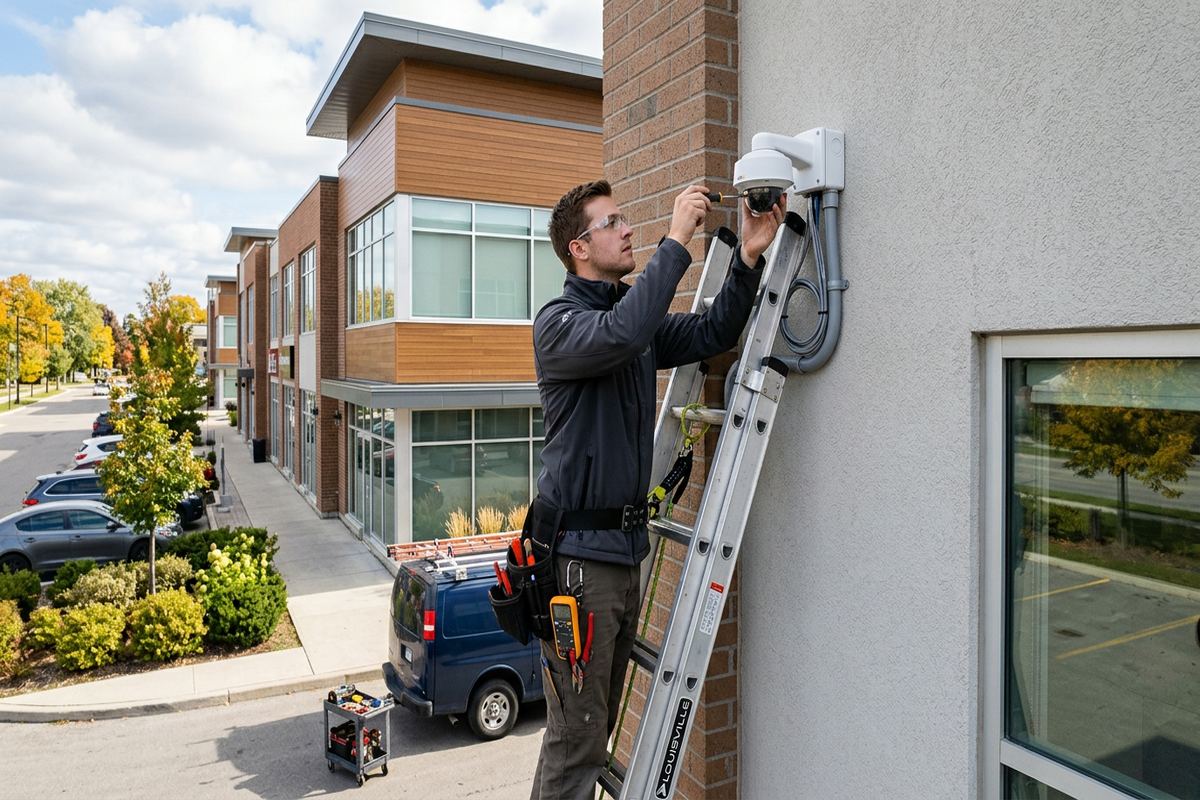
Mounting height requires a balance between protection and usable image detail. A camera installed too low may be easy to reach, while one mounted near a roofline can produce steep angles that obscure faces under hats or hoods. We evaluate soffits, exterior walls, porch structures and garage surfaces for stability and access. The mounting point must also support a sealed cable entry and allow future adjustment. On masonry homes in Downtown Cobourg or East Village, drilling locations are selected carefully to avoid unnecessary damage to brick faces, stonework, mortar and heritage details.
Interior cameras require a different conversation about privacy and daily use. Some households want coverage of a main entry, mudroom or lower-level access point, while others prefer an exterior-only system. We discuss who can view live video, how notifications are shared and whether audio recording is appropriate for the setting. Bedrooms, bathrooms and other private spaces are not treated as routine camera locations. If caregivers, tenants, contractors or guests regularly use the property, the owner should consider notice and consent obligations. Placement decisions remain documented in the approved scope before installation proceeds.
- Face-level approach views where practical
- Driveway coverage planned for useful detail
- Seasonal foliage included in sightline planning
- Stable mounts with service access
- Private interior areas avoided
Wired and Network Camera Options
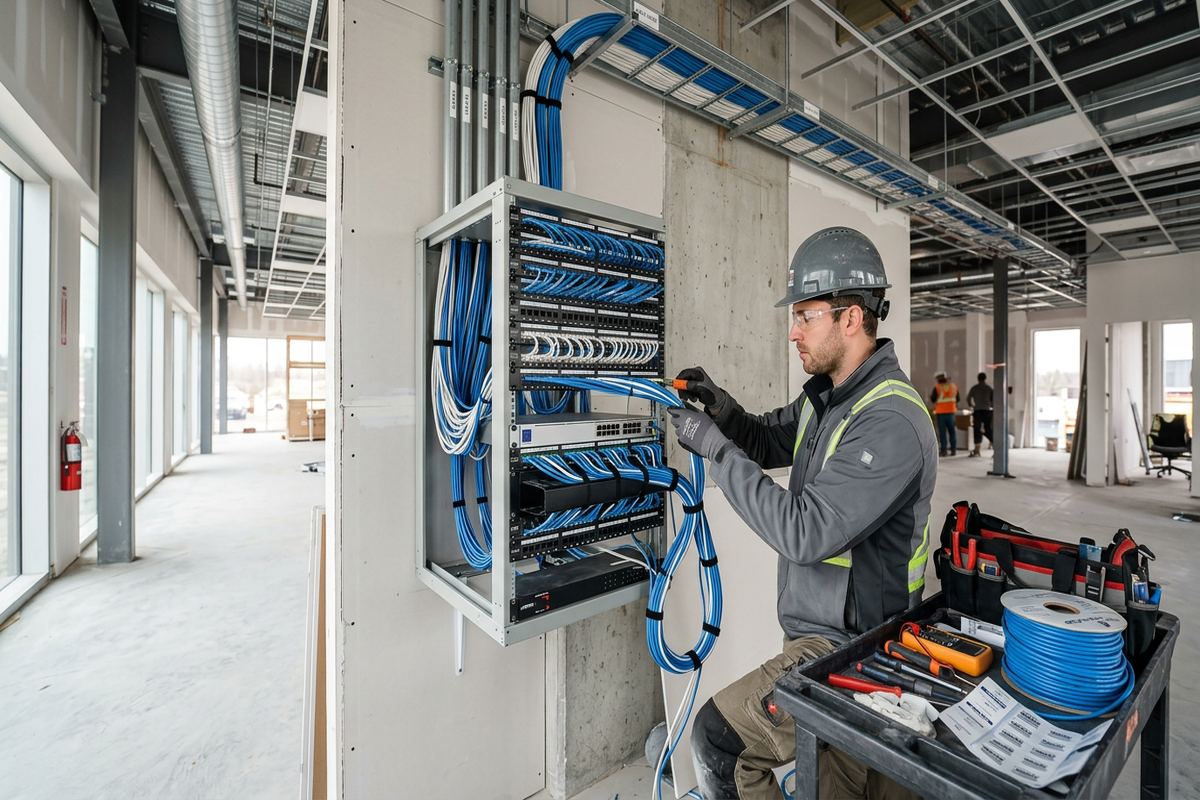
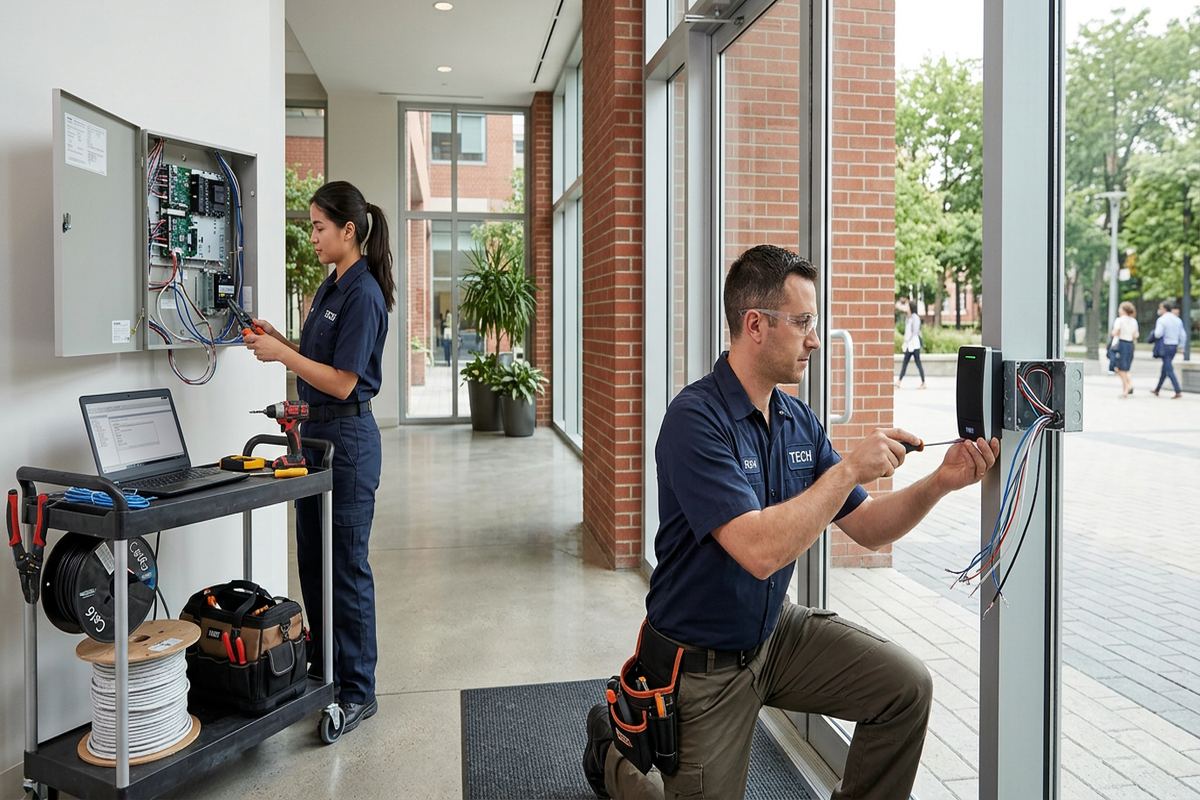
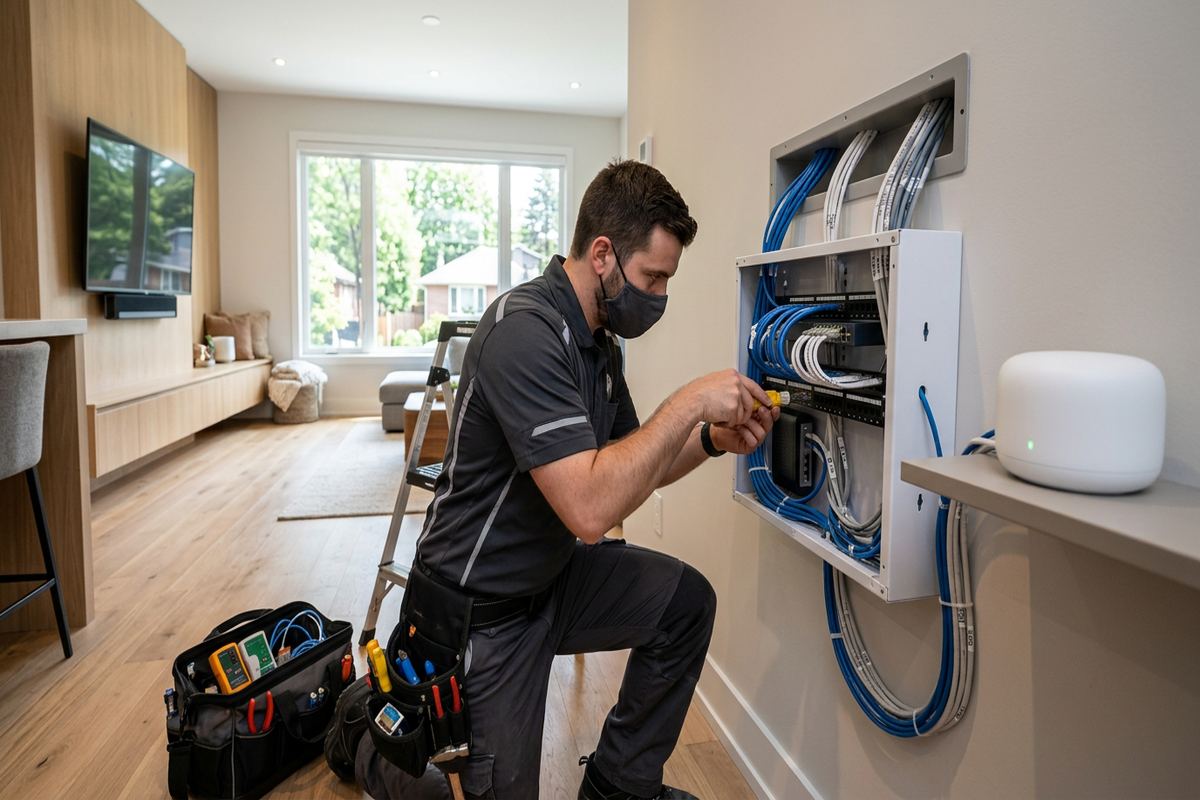
Wired network cameras are often appropriate when reliable recording and stable video matter. A single Ethernet cable can carry data and power when used with compatible power-over-Ethernet equipment, reducing the need for an outlet beside every camera. UnifiedLink installs continuous labelled cable runs from each planned device to the recording or network location. Connections are terminated and tested rather than hidden behind improvised joins. The recorder, network video recorder or other management platform is positioned where ventilation, physical security, service access and available power can be considered as part of the complete Cobourg installation.
Some properties cannot accept fully concealed wiring without opening finished surfaces or disturbing heritage materials. In those situations, we review alternate pathways through unfinished basements, attics, garages, utility rooms or carefully placed exterior conduit. A reversible surface route may be more appropriate than cutting plaster, decorative woodwork or old masonry. Wireless cameras can reduce data cabling, but they still depend on suitable power, radio coverage and network stability. Battery operation also introduces charging and cold-weather considerations. The selected approach should reflect the building, expected recording use and maintenance tolerance rather than convenience during installation alone.
Recording design includes more than choosing a camera resolution. Storage duration depends on camera count, image settings, frame rate, motion levels and the recording method. We discuss whether the owner wants continuous recording, event-based recording or a combination for selected areas. Remote viewing requires a suitable internet connection and secure account setup, but local recording can continue independently when designed for that purpose. Cobourg owners also need to know which features depend on manufacturer cloud services or subscriptions. Those dependencies, along with included storage hardware and ownership, are identified in the written scope.
- Power-over-Ethernet options where suitable
- Continuous cables without concealed joins
- Local and cloud dependencies explained
- Recorder location planned for ventilation
- Each camera cable labelled and tested
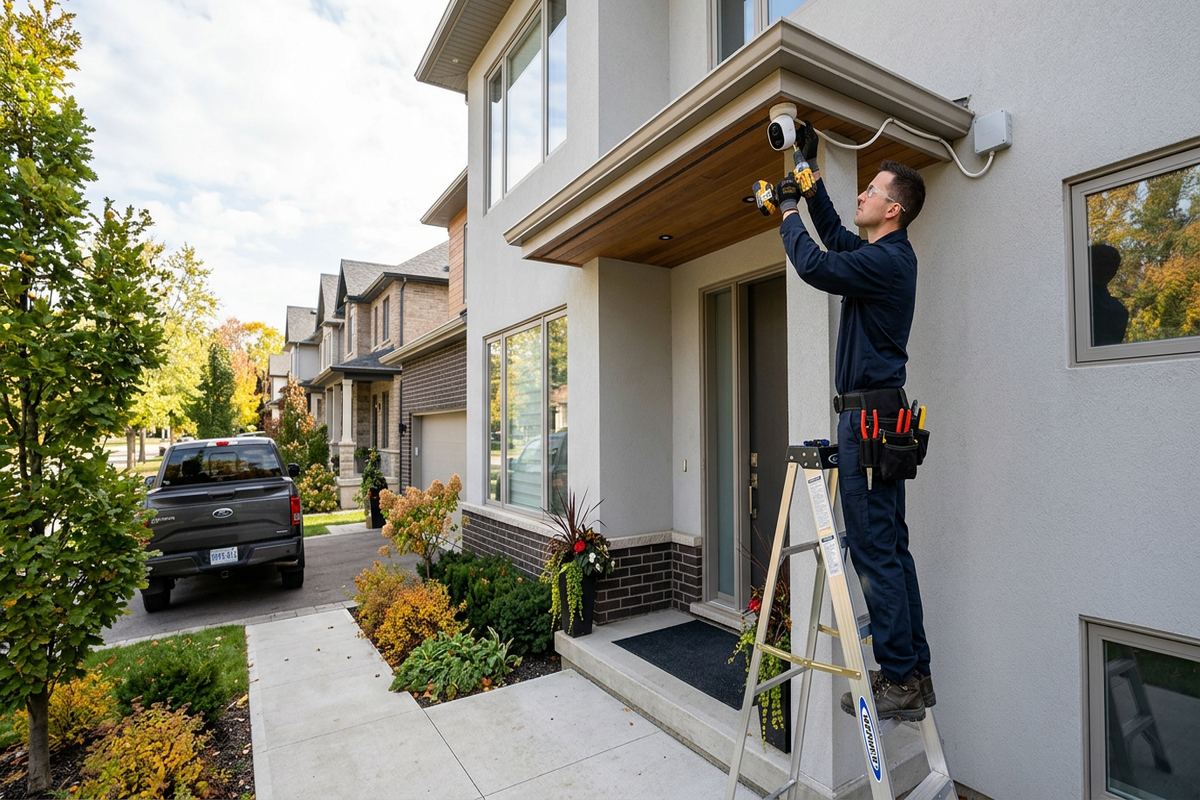
Cobourg, Ontario
Home security camera installation in Cobourg, scoped in writing first
Book a site assessment and get equipment, routes, exclusions, and warranty on paper before anything is installed.
Weather-Resistant Installation in Cobourg
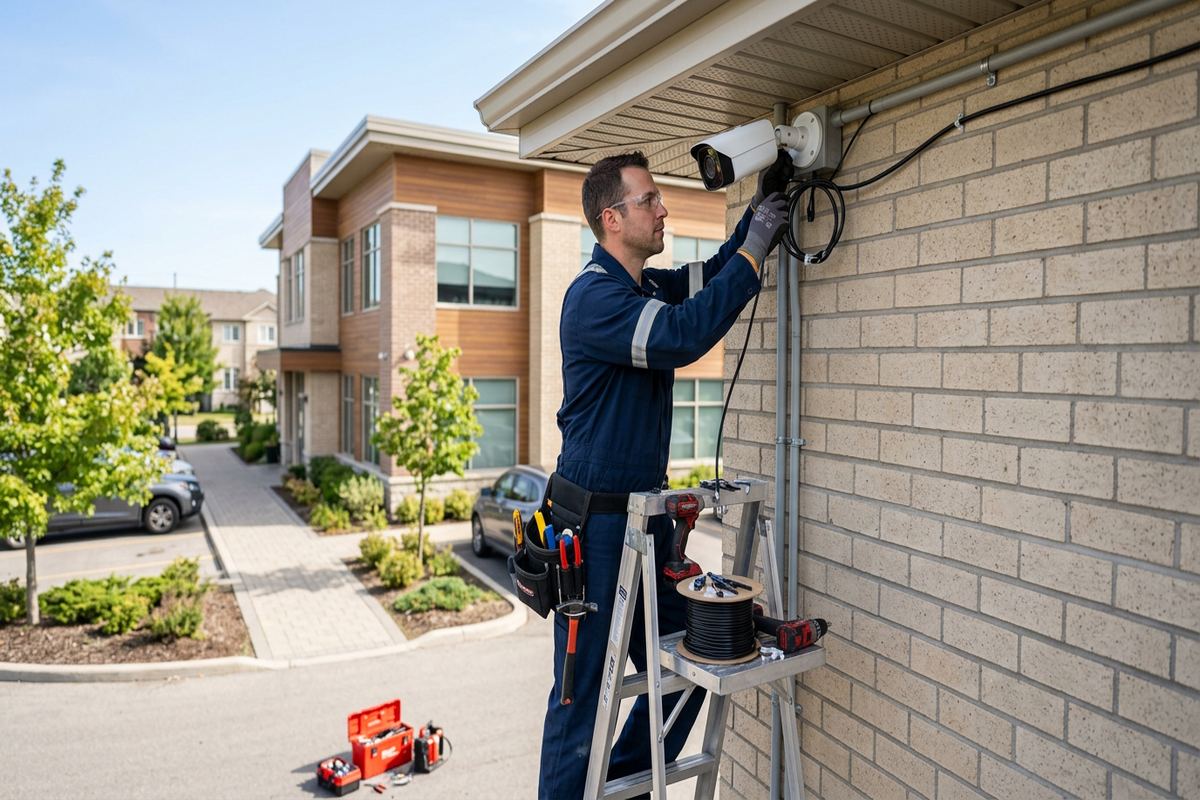
Cobourg winters expose exterior equipment to snow, wind, moisture and repeated freeze-thaw cycles. A camera may carry an outdoor rating, yet the installation can still fail if its cable entry, junction box or mounting surface is not handled correctly. We use suitable exterior mounting methods, form controlled cable entries and seal penetrations against water movement. Cable loops and connector placement are arranged to limit moisture tracking toward the building. Equipment is mounted on a stable surface rather than loose cladding, deteriorated mortar or trim that cannot reliably hold fasteners through changing seasonal conditions.
Different wall assemblies require different fastening and sealing decisions. Frame construction may have vinyl, aluminum, wood or fibre-cement siding over sheathing, with limited suitable points for a secure mount. Brick and stone require careful drilling, appropriate anchors and attention to mortar condition. Heritage homes near the beach or Downtown Cobourg may also have irregular surfaces, older trim and previous penetrations that should not be reused automatically. We inspect the proposed location before mounting and discuss visible back boxes or support blocks where they provide a cleaner, more serviceable result than placing a camera directly against uneven materials.
Sun angle, precipitation and low temperatures also affect image performance. A camera facing strong morning or afternoon light may lose detail unless its position and image settings compensate for contrast. Snow and wet pavement can reflect infrared illumination, while nearby walls, soffits and spider webs may cause bright night images with poor subject detail. We assess nighttime conditions where practical and configure exposure, infrared behaviour, motion zones and notification schedules on site. Seasonal changes can still require later adjustment, so the handover explains basic cleaning, view checks and settings that the owner can manage.
- Exterior penetrations sealed against moisture
- Mounts selected for wall construction
- Freeze-thaw exposure considered during placement
- Night glare sources reviewed
- Weather-exposed connectors kept protected
Careful Work in Heritage Properties
Older Cobourg homes often contain construction details that are difficult to replace and unsuitable for routine drilling. Original trim, plaster walls, brick façades and finished woodwork require a restrained approach. During assessment, we look for existing service openings, basement routes, accessible attic spaces and less visible transitions between building sections. A proposed route is not treated as acceptable merely because it is short. We weigh serviceability and appearance against the amount of disturbance required, then describe any visible conduit, surface cable or junction box in the scope before the owner authorizes work.
Reversible installation methods can preserve significant finishes while still supporting practical coverage. A camera may be mounted to a replaceable support block, a garage surface or another secondary element rather than directly to decorative masonry or carved trim. Surface-mounted pathway components can sometimes avoid opening old plaster walls that are difficult to repair cleanly. Reversibility does not mean using temporary fasteners or leaving equipment unstable. The mount must remain secure, weather-resistant and accessible for maintenance. This approach is especially relevant around Cobourg Beach and Downtown Cobourg, where heritage character and exterior appearance may influence every route decision.
Ownership and approval must be confirmed before work starts. A homeowner in a designated or regulated property should verify whether exterior changes require municipal or heritage review. Condo owners may need written approval for cameras, cabling, common walls, balconies or exterior penetrations. Tenants should obtain landlord authorization, and landlords must consider privacy when cameras could capture shared entrances or areas used by occupants. UnifiedLink can document the proposed device positions and cable routes for an approval request, but the property owner remains responsible for obtaining permission from the applicable authority, corporation or landlord.
- Existing pathways reviewed before drilling
- Replaceable mounting surfaces used where practical
- Visible routes included in the scope
- Heritage details protected from unnecessary disturbance
- Owner approvals confirmed before installation
Configuration, Recording and Secure Handover
Physical installation is followed by on-site configuration. Cameras are named according to their locations, image orientation is checked and recording settings are matched to the approved use. Motion areas can exclude moving trees, busy sidewalks or portions of a road that would generate repeated alerts without helping the owner. Notification timing may be adjusted for household routines, although no automated detection should be treated as infallible. We also verify live viewing and playback from the intended devices, subject to available internet service, network performance and the features supported by the selected camera and recording platform.
Account control is important because camera systems handle sensitive household information. At handover, the customer receives access using the customer’s own credentials rather than an installer-owned account. We explain administrator access, user permissions, password changes, multifactor authentication where supported and the process for adding household members. If remote access relies on a manufacturer application, the owner is shown which account controls and service terms apply. Network passwords are not placed in public labels or general paperwork. Any temporary installation access used during setup is removed or transferred as part of completing the Cobourg project.
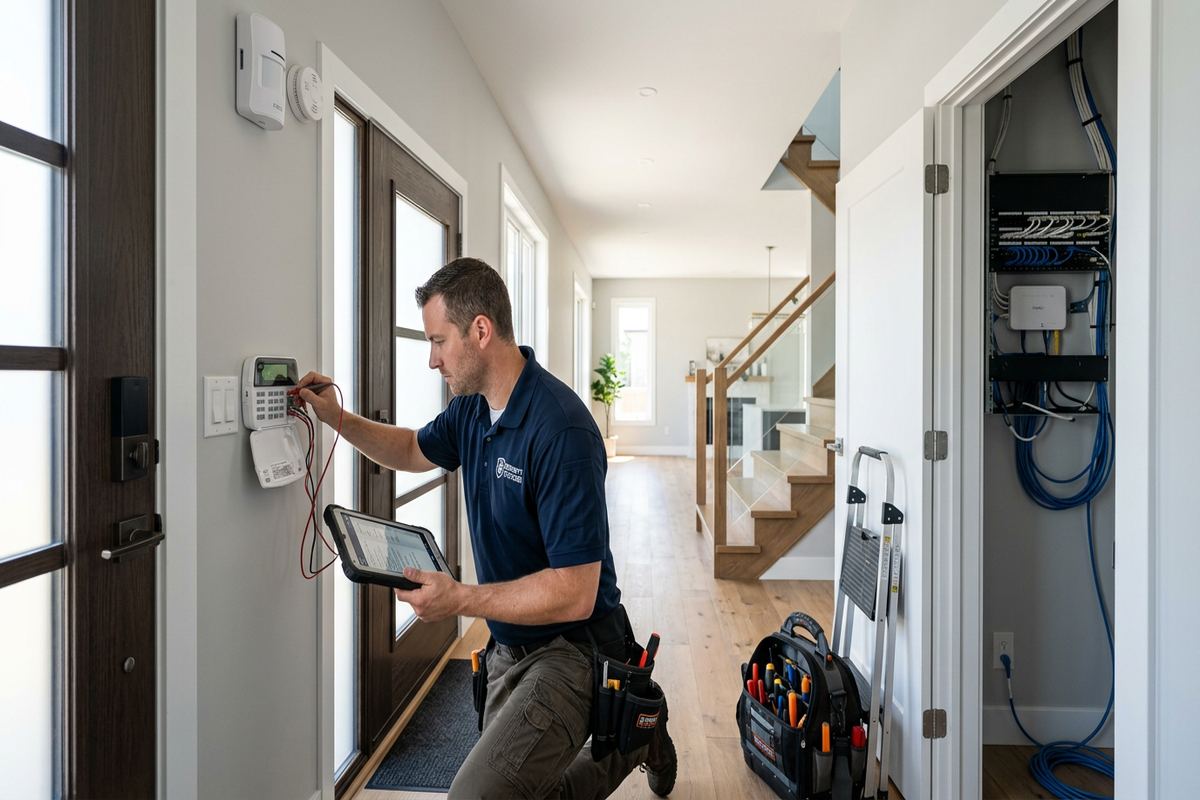
The final handover includes an as-built record showing installed device names and practical cable or equipment information. Cable runs are labelled at the central location, and the owner is shown how to review footage, export a relevant clip and confirm that cameras are online. We identify basic maintenance tasks, including cleaning lenses, checking exterior seals visually and reviewing views after landscaping or building work. Warranty information and equipment ownership follow the written scope. Having one accountable contractor for cabling, mounting, configuration and documentation reduces uncertainty about who is responsible for each completed part of the system.
- Camera names matched to actual locations
- Motion zones configured on site
- Customer controls all final credentials
- Playback and clip export demonstrated
- As-built record supplied at handover
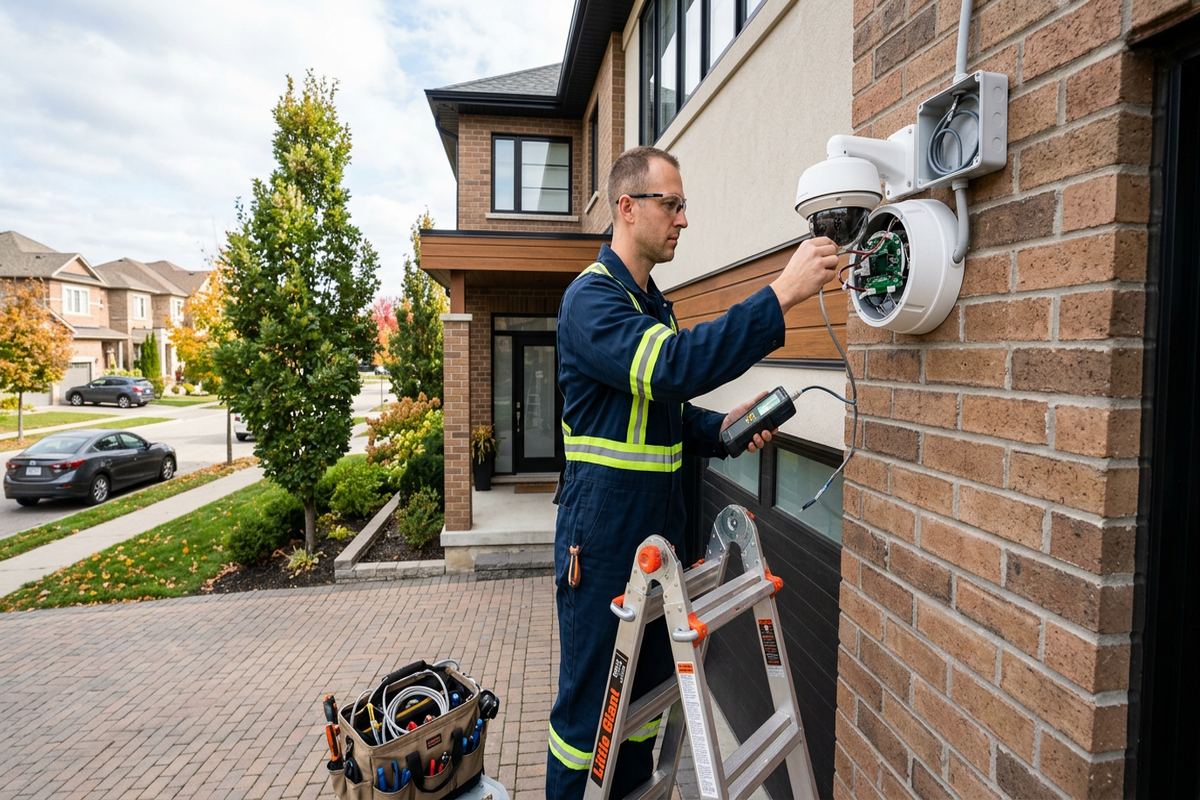
Camera Coverage for Small Cobourg Businesses
Home security camera methods can also apply to small owner-operated businesses, mixed-use properties and home-based workplaces. Along Cobourg’s commercial strips and downtown storefronts, coverage may include public entrances, service counters, rear doors, delivery areas and limited stock locations. The layout should support incident review without placing cameras where staff or visitors reasonably expect privacy. Window reflections, changing display lighting and direct street views can complicate image quality. We assess these conditions before selecting mounting points, lens coverage and recording behaviour, while keeping customer-facing equipment as orderly and unobtrusive as the building allows.
Industrial units and small warehouses usually present different challenges. High ceilings can make cameras difficult to service and may produce overly broad views with limited identifying detail. Loading doors, fenced areas, side yards and internal aisles often need separate angles rather than one distant camera. Metal wall construction can affect wireless performance, while long cable distances and detached areas may require network planning beyond basic camera installation. We review the available communications room, power, pathway and mounting structure before proposing equipment. Any lift access, third-party work or network changes excluded from the installation are stated in the written scope.
For businesses in heritage or leased premises, approval and reversibility remain important. A tenant may control operations but not have authority to drill the façade, route cable through shared spaces or attach equipment to a common rear wall. Property managers may request drawings, device details or proof of the planned pathway before approving work. UnifiedLink documents proposed routes and placement so the business can seek authorization. We can coordinate the low-voltage scope as one accountable contractor, but lease obligations, privacy policies, signage decisions and legal compliance remain matters for the owner or operator to review.
- Entrances and delivery points prioritized
- Window reflections checked during planning
- Warehouse views divided for useful detail
- Lease and property approvals identified
- Excluded third-party work documented
Maintaining Home Cameras in Cobourg
A camera system should be checked periodically instead of being ignored until footage is needed. Exterior lenses can collect dust, salt residue, insects and water spots, especially on exposed properties near Cobourg Beach. Trees and shrubs may grow into views, while a moved recycling bin, seasonal decoration or parked vehicle can block an important approach. Owners should review live images during daylight and darkness, confirm the displayed time and test playback. These simple checks help reveal gradual changes that may not trigger an obvious fault message from the recorder or application.
Winter inspections should focus on physical condition rather than aggressive ice removal. Snow buildup can obstruct a lens, but striking or twisting a frozen camera may damage its mount or sealed connection. Freeze-thaw movement can expose weak penetrations, loose support blocks or cracked sealant around an exterior route. Any visible water entry, unstable mounting or damaged cable should be investigated before it affects the wall assembly or equipment. After storms, owners in West Park, East Village and other exposed parts of Cobourg can check views remotely first, then examine equipment safely from ground level.
System maintenance also includes software, accounts and recording capacity. Owners should apply supported updates using the manufacturer’s documented process, review authorized users and remove access that is no longer needed. A regular playback test is more useful than relying only on a live image because recording failures can occur even when a camera appears online. If internet equipment, Wi-Fi, phones or routers change, remote access and notifications may need reconfiguration. The as-built record provides a starting point for service, additions or troubleshooting without requiring future technicians to rediscover every camera name and cable destination.
- Day and night views checked regularly
- Lenses cleaned without shifting alignment
- Recording playback tested periodically
- Authorized users reviewed after changes
- As-built records retained for future service
Cobourg neighbourhoods we cover
- Downtown Cobourg
- Cobourg Beach
- New Amherst
- West Park
- East Village
Home security camera installation in Cobourg — common questions
Can cameras be installed on an older Cobourg home?
Yes, but the route and mounting method need to reflect the building. Cobourg heritage homes may have old brick, plaster, decorative trim or inaccessible wall cavities. We assess existing pathways and favour careful, reversible options where practical. Any visible conduit, support block or exterior junction box is identified in the written scope before work begins. Owners remain responsible for obtaining any required heritage or municipal approval.
Will exterior cameras work through a Cobourg winter?
Outdoor-rated equipment can operate in winter when it is properly selected and installed within its specified conditions. Cobourg freeze-thaw cycles make secure mounting, sealed penetrations and protected connectors particularly important. Snow, reflected infrared light and lens contamination can still affect images. We configure the system on site and explain seasonal view checks, safe lens cleaning and signs of a mount or seal that may require attention.
Do I need wired or wireless security cameras?
The answer depends on cable access, power, recording expectations and network conditions. Wired power-over-Ethernet cameras often provide stable data and centralized recording, while wireless models may help where concealed cabling would cause excessive disturbance. Wireless cameras still need reliable power or battery maintenance and sufficient coverage. A Cobourg site assessment lets us compare practical routes, heritage considerations and network limitations before recommending an approach.
Can you install cameras at my Cobourg condo?
Installation is possible when the condo corporation permits the proposed work. Exterior walls, balconies, corridors, ceilings and other common elements may require written approval, even when they are beside your unit. We can provide documented camera positions and cable routes for your request. The owner must secure authorization before installation and should confirm any rules affecting recordings of shared spaces, neighbouring doors or common property.
How much footage will my camera system retain?
Retention depends on the number of cameras, resolution, frame rate, image complexity, storage capacity and whether recording is continuous or event-based. For that reason, a fixed duration should not be assumed without system design details. We discuss your review needs, explain local and cloud recording dependencies, and identify the included storage equipment in the written scope. Actual retention can vary as motion and scene activity change.
What happens after the Cobourg installation is complete?
We configure camera names, recording, motion areas and remote viewing on site, then test live images and playback. The Cobourg customer receives control through their own credentials, along with an explanation of user access and supported security settings. Handover includes labelled cable runs and an as-built record. We also demonstrate basic clip export, view checks and maintenance tasks so the system can be managed without relying on installer-owned accounts.
Coverage in Cobourg is confirmed against the address before we quote. See everything we install in Cobourg or the province-wide home security camera installation page.