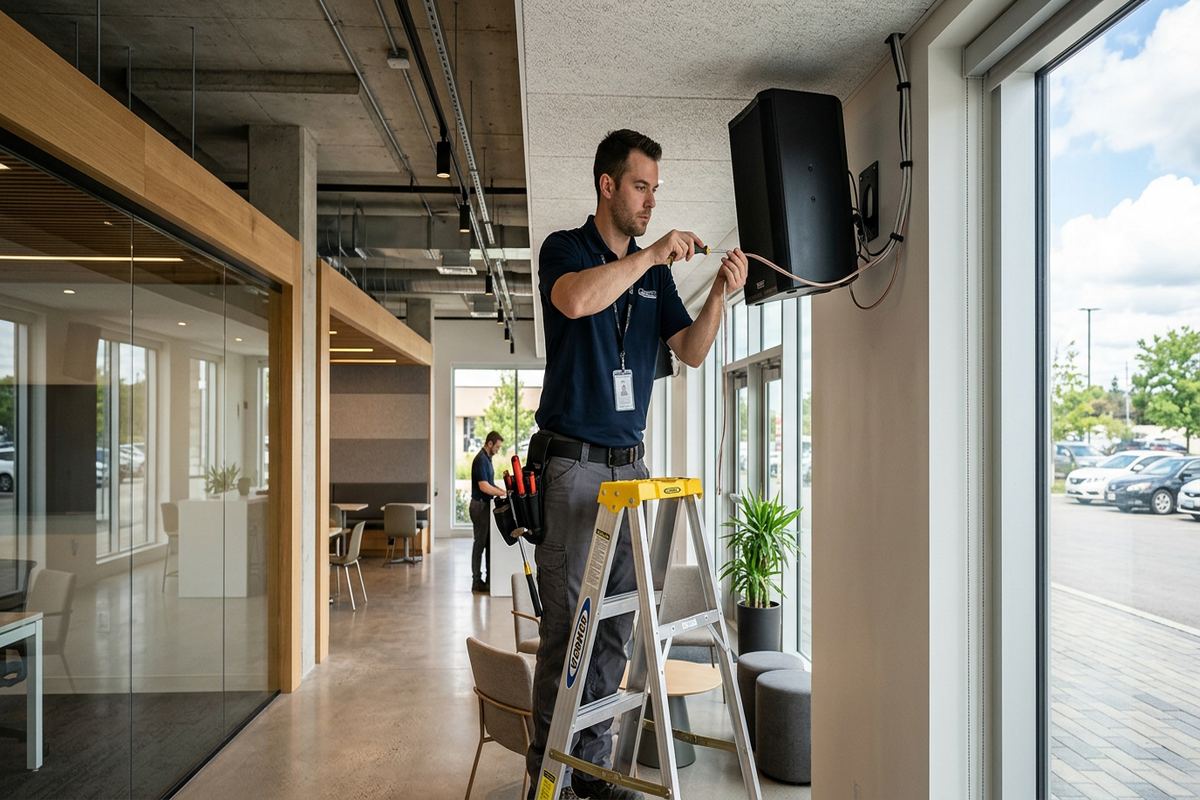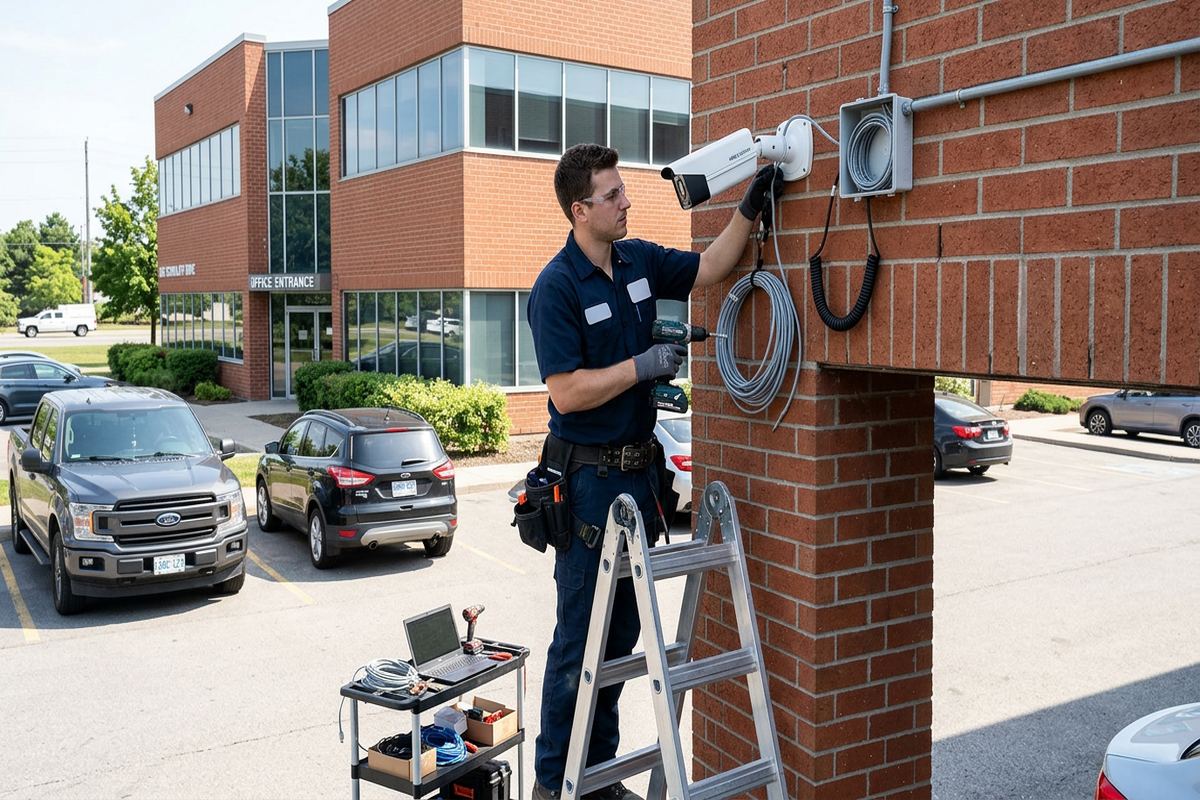
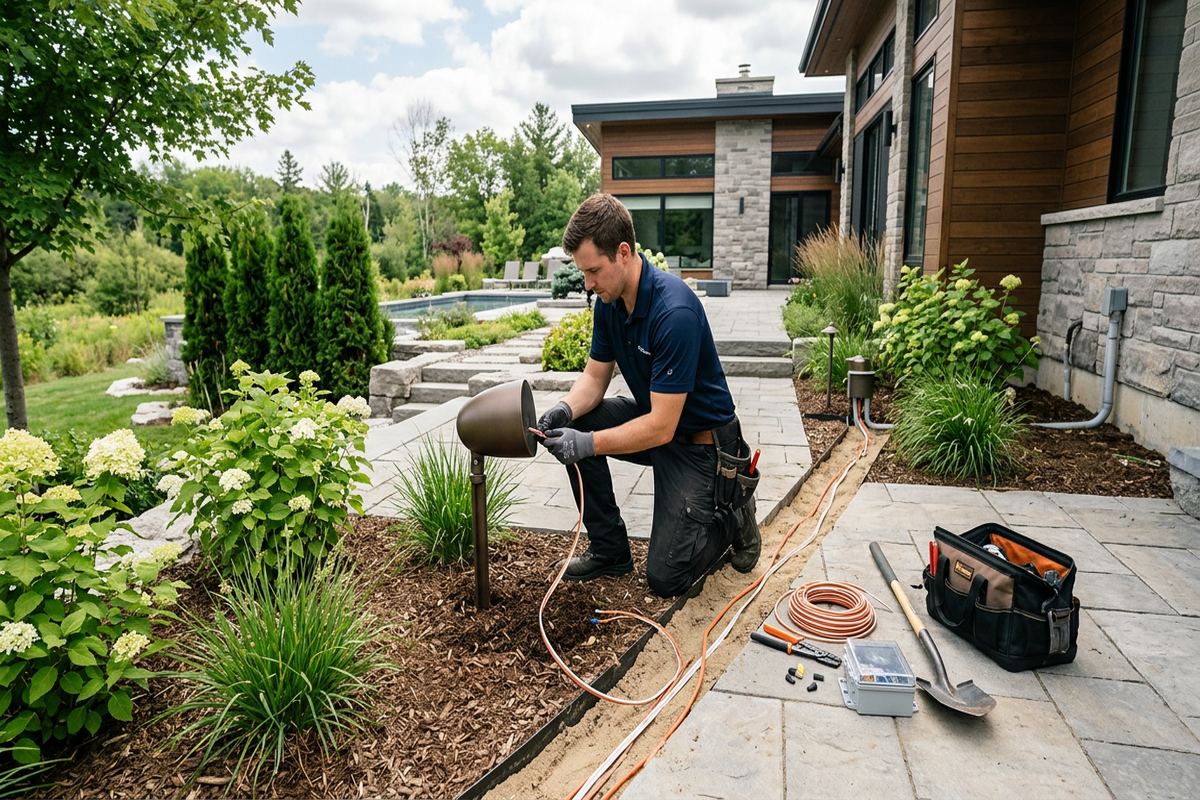
UnifiedLink installs whole-home audio systems for houses, condos, farm properties and mixed-use buildings in Chatham. We plan speaker locations, amplifier capacity, controls and cable routes around the building’s construction and intended use. Every project starts with a site assessment, followed by a written scope showing what will be installed, where cables will run and how the completed system will operate.
Whole-Home Audio Planning for Chatham Properties
A useful whole-home audio system starts with decisions about rooms, listening levels and control. Background music in a kitchen has different requirements from television audio in a family room or higher-output sound in a workshop. During a Chatham site assessment, UnifiedLink reviews room sizes, ceiling heights, furnishings, likely listening positions and sound transfer between spaces. The plan also identifies whether rooms should play independently, operate as grouped zones or share a source. This avoids installing too many speakers in one area while leaving another room difficult to hear clearly.
Chatham’s building stock calls for more than one installation method. Older town housing may have plaster, lath, masonry walls, narrow joist spaces or previous renovations that limit concealed cable routes. Newer frame construction may provide easier ceiling access, but insulation, vapour barriers and engineered joists still need consideration. Farm properties can include long cable distances between living areas, garages and outbuildings. The assessment determines where cable can run continuously, which surfaces can be cut safely and where an exposed but protected pathway is more practical than unnecessary wall damage.
The written scope records the selected equipment, proposed cable routes, speaker and control locations, exclusions, equipment ownership and warranty information. It also distinguishes audio work from related electrical, carpentry, painting or network upgrades that may be required. Customers can review room names, zone behaviour and visible device locations before installation begins. This is particularly important in occupied homes, rental properties and renovated buildings where access is limited. Pricing follows the assessment because construction, finish expectations, equipment choices and cable distances materially affect the labour and hardware required for a Chatham installation.
- Room dimensions and listening positions
- Independent and grouped audio zones
- Proposed cable and equipment locations
- Written scope before project pricing
- Construction and access limitations
Speaker Placement Across Chatham Homes
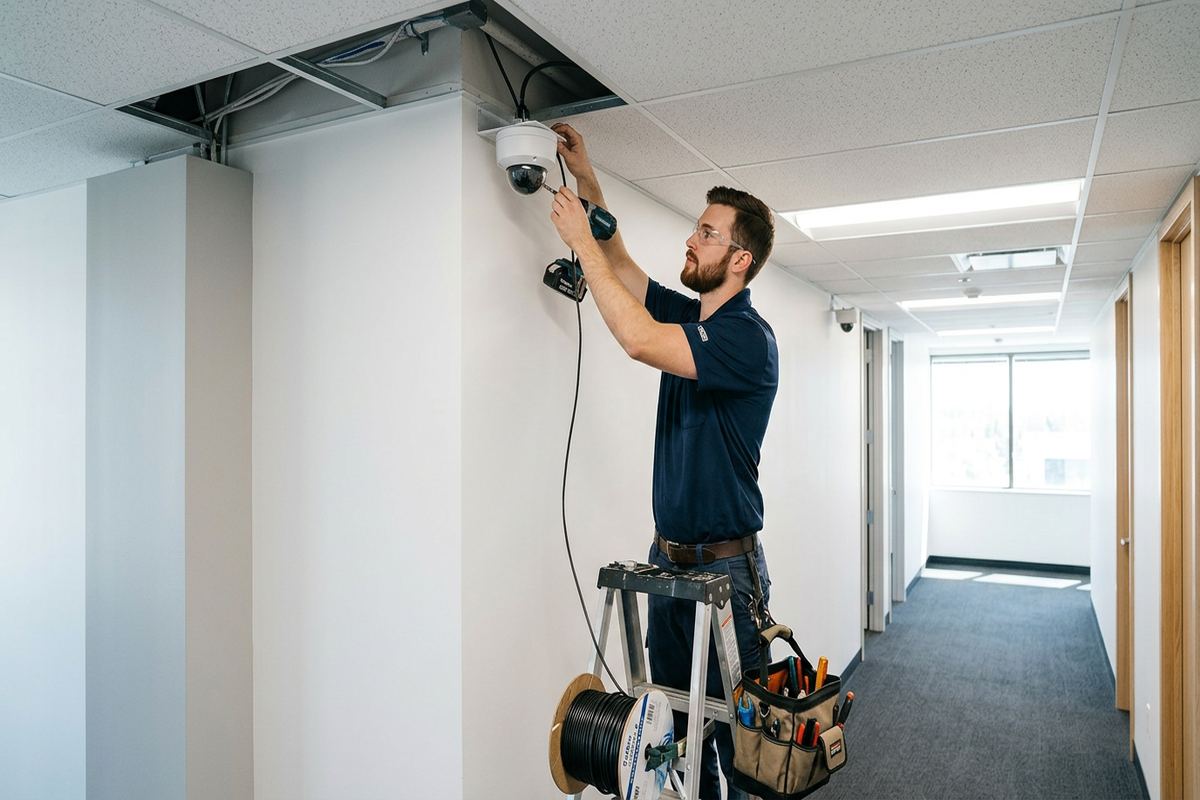
Speaker placement affects clarity, coverage and how loud the system must run. Ceiling speakers are often suitable for kitchens, dining areas, hallways and open living spaces, while in-wall or surface-mounted models may fit rooms with inaccessible ceilings. UnifiedLink positions pairs or distributed speakers to reduce obvious loud and quiet areas. Placement also considers ceiling lights, heating registers, plumbing, cabinetry and structural members. In open-concept Chatham homes, adjacent areas may need separate zones even when no wall divides them, allowing occupants to balance sound between cooking, dining and seating areas.
Older homes around Downtown Chatham and established areas such as Maple City can contain framing changes from additions, blocked wall cavities and layers of previous finish work. A proposed speaker location is checked before a finished opening is made. Where a concealed route is not practical, alternatives can include carefully placed surface cable, cabinetry routes or a different speaker style. Masonry construction requires suitable anchors and drilling methods, while frame walls require confirmation of stud and service locations. The objective is a secure installation with cable routes that remain serviceable and do not create avoidable finish repairs.
Bedrooms, nurseries, bathrooms and home offices need more restraint than large common rooms. Speaker locations should support even listening at moderate levels rather than directing sound toward beds, desks or neighbouring units. Moisture-rated equipment may be appropriate in certain bathroom locations, subject to placement and applicable electrical separation. Condominiums near the Thames Campus area may also have concrete ceilings, shared walls and building rules governing drilling or cable pathways. UnifiedLink confirms access conditions and requires necessary condo, landlord or property manager approvals before work affecting common elements or a building’s finished structure proceeds.
- Ceiling, wall and surface speaker options
- Clearance from lights and mechanical services
- Balanced coverage at moderate volume
- Appropriate fastening for masonry or framing
- Approval checks for condos and rentals
Audio Zones, Sources and Everyday Control
Zoning determines whether the system remains convenient after installation. A single zone can serve a compact area, but larger homes usually benefit from separating bedrooms, entertaining spaces, exterior areas and workspaces. Each zone can then play its own compatible source or join other rooms for the same programme. UnifiedLink documents zone names and expected behaviour before configuration. Clear naming matters when controls appear in an app, on a wall keypad or through an integrated platform. Users should be able to select “Kitchen” or “Patio” without guessing which amplifier output or generic device name controls that location.
Source planning covers more than a preferred music service. Customers may want television audio, radio, locally stored media, turntables or audio from visiting devices. Each source has different connection, control and latency considerations. Television sound may require a direct or network-based connection, while a turntable may need an appropriate preamplifier and a practical location near the audio equipment. Chatham customers should also consider who may use the system and whether guests need limited access. UnifiedLink configures supported services on site using the customer’s own accounts and credentials rather than retaining control of them.
Physical controls can remain useful even when an app provides most functions. Wall-mounted volume controls, keypads or accessible source controls may suit kitchens, workshops, short-term rentals or households where not everyone carries the same phone. The design should also explain what happens if internet service is unavailable, a device changes networks or a streaming provider alters its application. Some local playback may continue while cloud-dependent functions may not. Handover includes basic operating guidance, zone identification and an as-built record, giving the owner a practical reference for future troubleshooting, renovations or equipment changes.
- Independent or synchronized room zones
- Television and music source integration
- App, keypad and volume control options
- Customer-owned accounts and credentials
- Documented zone and device names
Chatham, Ontario
Whole-home audio installation in Chatham, scoped in writing first
Book a site assessment and get equipment, routes, exclusions, and warranty on paper before anything is installed.
Concealed Audio Cabling in Chatham
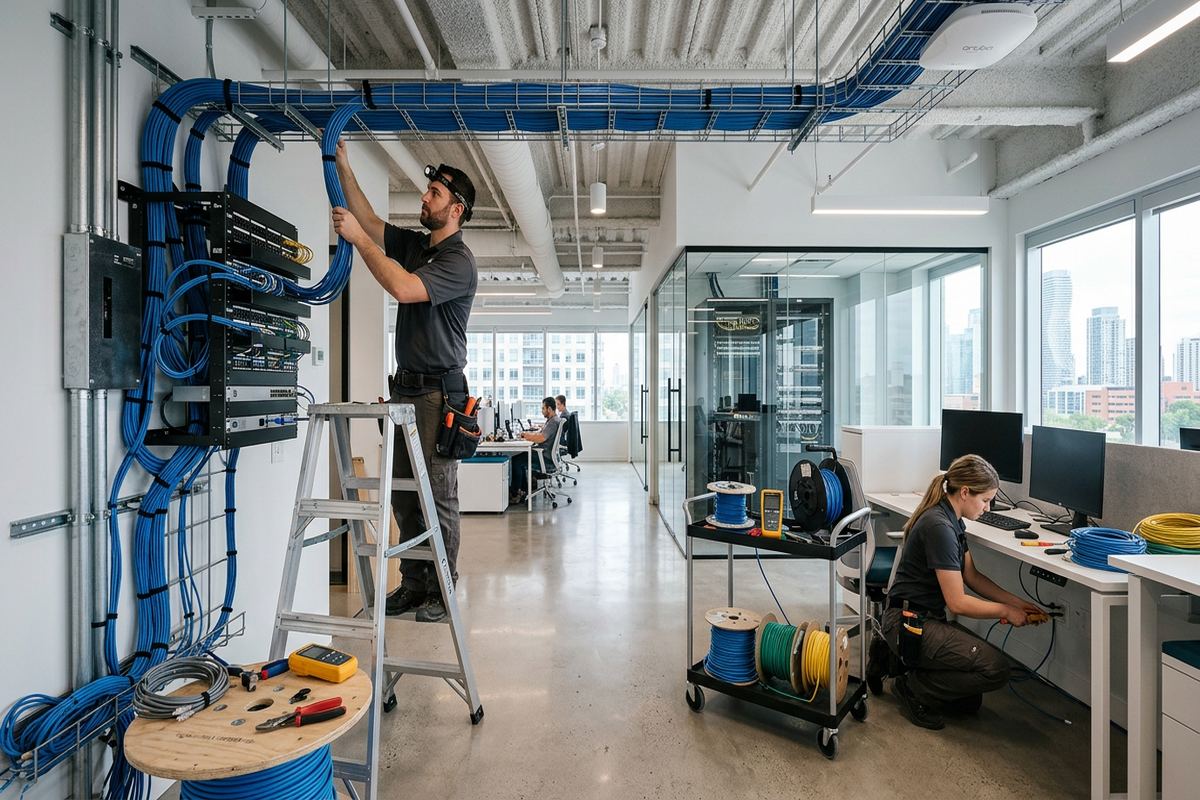
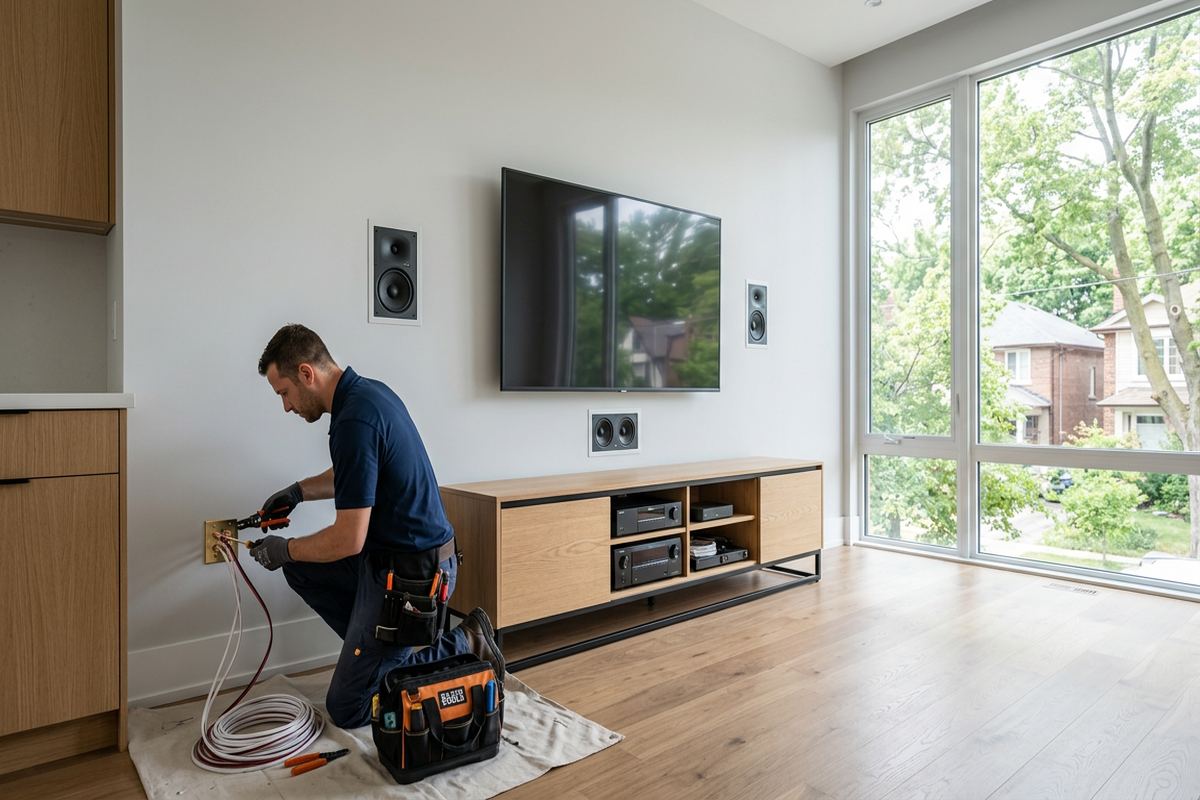
Reliable speakers still depend on suitable cable and disciplined installation. UnifiedLink uses continuous labelled runs between the equipment location and each speaker or control point, avoiding concealed joins that complicate testing and future service. Cable type and conductor size are selected for the equipment, route length and installation environment. Runs are kept orderly and supported rather than left across ceilings or mechanical services. Where audio equipment relies on the data network, network cabling and switch capacity are reviewed as part of the same plan. Labels correspond with the final zone schedule and as-built record.
Cable routes through basements and accessible attics are often straightforward, but Chatham winters create additional concerns near exterior walls and unconditioned spaces. Openings must not compromise insulation, vapour control or weather sealing. Cables passing between conditioned and unconditioned areas require suitable pathways and sealing methods. Freeze-thaw cycles can widen poorly sealed exterior penetrations and allow moisture into wall assemblies. For outdoor speakers, routes are planned to reduce exposed cable, avoid drainage paths and maintain a downward or sealed entry where appropriate. Exterior-rated materials are used where the route or termination will face outdoor conditions.
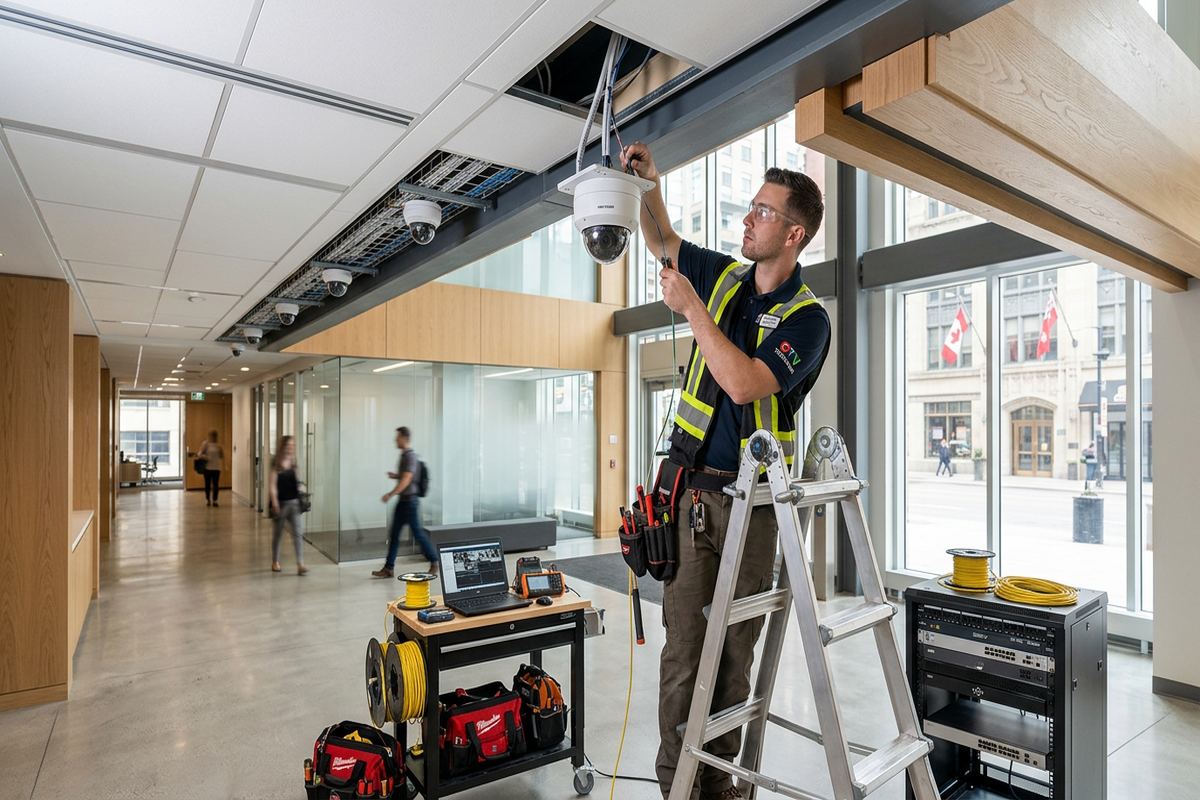
Grain and food facilities, farm properties and industrial units may introduce dust, vibration, washdown areas, long distances or equipment that produces electrical interference. These conditions affect pathway selection and equipment placement. Audio cable should not share unsuitable routes with power wiring, motors or process equipment, and accessible devices need protection from routine operations. In a commercial strip, installation may also involve suspended ceilings, fire separations and landlord requirements. UnifiedLink identifies these constraints during the assessment and states any need for coordination with electricians, fire-stopping specialists, landlords or other trades in the written scope.
- Continuous cable runs without hidden splices
- Labels matched to the zone schedule
- Protected routes through attics and basements
- Sealed exterior wall penetrations
- Coordination around power and mechanical systems
Equipment Locations and Network Readiness
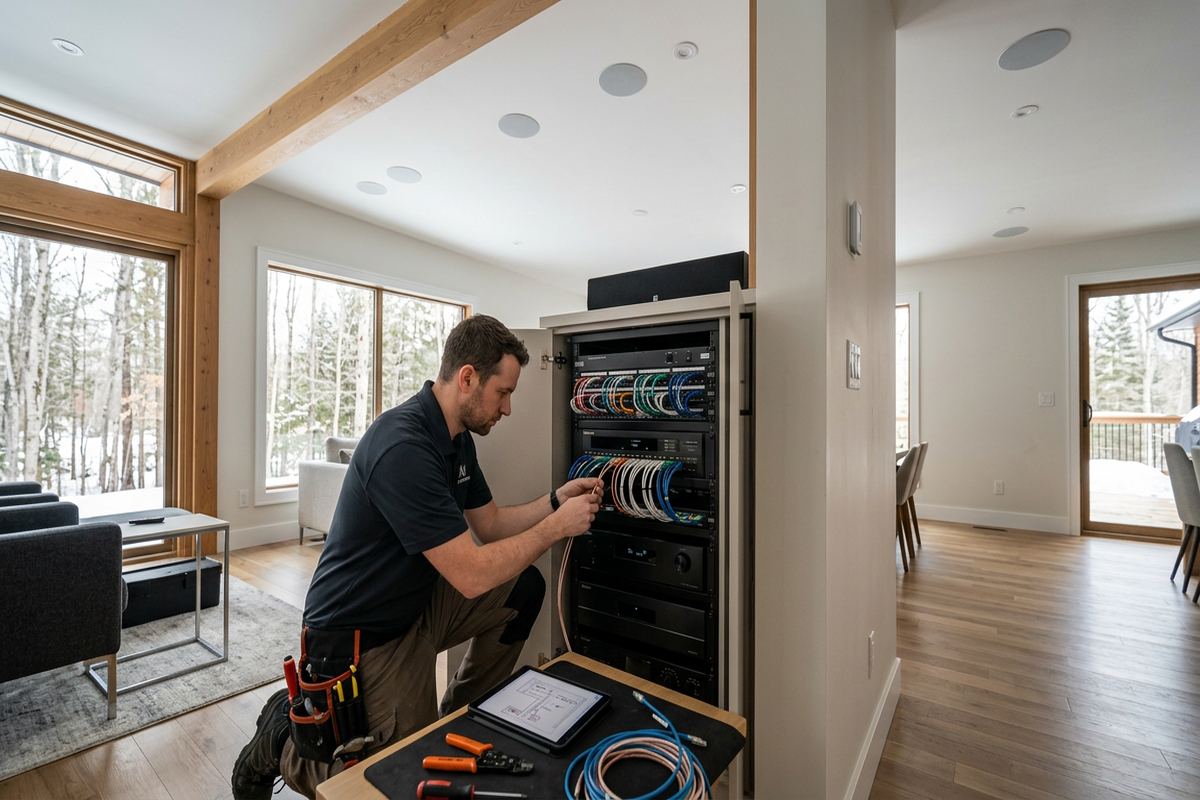
Amplifiers, streamers, network equipment and source components need a location with ventilation, power, access and enough room for connections. Closing audio hardware inside a shallow cabinet can cause excess heat and make service difficult. UnifiedLink reviews shelving, rack space, outlet availability and cable entry before equipment is selected. The location should remain reachable without moving heavy furniture or disturbing stored goods. Centralized equipment can simplify maintenance, while distributed amplifiers may reduce speaker cable distances in larger Chatham properties. The design balances these factors instead of assuming one layout works for every building.
Many current audio platforms depend on a stable wired or wireless network for control and streaming. A strong phone signal in a room does not confirm that every audio device will maintain a reliable connection. UnifiedLink reviews router placement, available Ethernet, network switches and Wi-Fi coverage where these affect the proposed system. Wired connections are preferred for fixed equipment when practical, particularly at central racks and television locations. Large farmhouses, detached garages and long buildings may need additional network planning before audio zones can communicate consistently. Any required network work is identified separately in the scope.
Equipment should also fit the customer’s ownership and service expectations. Some systems use a single manufacturer’s platform, while others combine conventional amplifiers, passive speakers and replaceable streaming components. UnifiedLink explains which functions depend on applications, cloud services, subscriptions or compatible third-party products. The customer receives their own administrative access and credentials during handover. For commercial users in Chatham, staff access can be considered so everyday operation does not require sharing an owner’s personal account. Final records identify installed components, connections and zone assignments without implying that every future service or product will remain unchanged.
- Ventilated and accessible equipment placement
- Wired network connections where practical
- Wi-Fi review for app-based control
- Customer-controlled administrative access
- Component and connection documentation
Outdoor Audio for Chatham Conditions
Outdoor audio requires equipment and mounting methods suited to exposure, not simply indoor speakers placed under an overhang. UnifiedLink reviews coverage areas, neighbouring properties, mounting surfaces and the intended seasonal use. Speakers may be mounted to masonry, wood framing or dedicated structures using suitable fasteners. Placement under eaves can reduce direct exposure but does not remove the effects of humidity, wind-driven rain, temperature changes or insects. Cable entries and brackets are positioned to shed water, and penetrations are sealed using methods compatible with the wall surface and surrounding building envelope.
Chatham’s winters and repeated freeze-thaw conditions make exterior sealing especially important. Sealant applied over a dusty, loose or unsuitable surface can separate and leave a path for moisture. Masonry penetrations differ from entries through siding, wood or framed walls, so the route and sealing detail must match the construction. Outdoor cable should be rated for its environment and protected from sharp edges, landscaping tools and routine maintenance. Where speakers remain installed year-round, the manufacturer’s operating and storage limits are considered. Seasonal removal may be preferable for equipment that is not intended for prolonged local exposure.
Sound beyond the property line must be considered during design. More speakers operated at lower levels can provide better coverage than a small number played loudly from the house. Directional placement helps keep audio focused on patios, pools or work areas rather than neighbouring yards and windows. In Prestancia or denser parts of Downtown Chatham, lot spacing may make this particularly relevant. Farm properties offer more separation but can require longer cable routes and wider coverage. Commercial patios or shared buildings may also require landlord approval and compliance with operating rules before exterior hardware is mounted.
- Exterior-rated speakers and cabling
- Fasteners suited to each wall material
- Sealed penetrations for freeze-thaw conditions
- Coverage planned within property boundaries
- Year-round or seasonal equipment options
Whole-Home Audio for Businesses and Rural Sites
Whole-building audio can support customer areas, offices, staff rooms and selected workspaces, but commercial use differs from residential listening. A Chatham shop or professional office may need even background coverage and straightforward staff controls rather than high output. Zones can separate public areas from private rooms, allowing different volume levels or sources. UnifiedLink reviews opening hours, ceiling access, equipment security and who may change settings. Music licensing and programme rights remain the operator’s responsibility; installing equipment does not provide permission to use personal streaming services in a commercial setting.
Industrial units, grain operations and food facilities require careful separation between audio equipment and production conditions. Dust, moisture, sanitation procedures, machinery noise and vehicle movement can make ordinary residential devices unsuitable in some locations. The assessment identifies where speakers can be protected, heard and reached for maintenance without interfering with operations. High ambient noise does not automatically justify louder speakers, particularly where announcements or hearing protection are involved. Audio systems intended for entertainment or background music are not represented as emergency communication, life-safety or process-alert systems unless separately designed and specified for that purpose.
Properties in Wallaceburg and rural Chatham-Kent may include a house, garage, shop and outdoor work area on one site. Connecting these spaces can involve underground pathways, point-to-point networking or separate local systems, depending on distance and existing infrastructure. An unused conduit should be inspected before it is assumed suitable, and direct-burial work needs an agreed route that considers utilities and future excavation. UnifiedLink sets out included pathways, terminations and coordination responsibilities in writing. This keeps the audio scope clear when trenching, electrical work or building modifications must be completed by another qualified contractor.
- Separate public and staff audio zones
- Protected equipment for demanding environments
- Controls limited to authorized staff
- Clear separation from life-safety systems
- Planning for detached and rural buildings
Chatham Installation, Testing and Handover
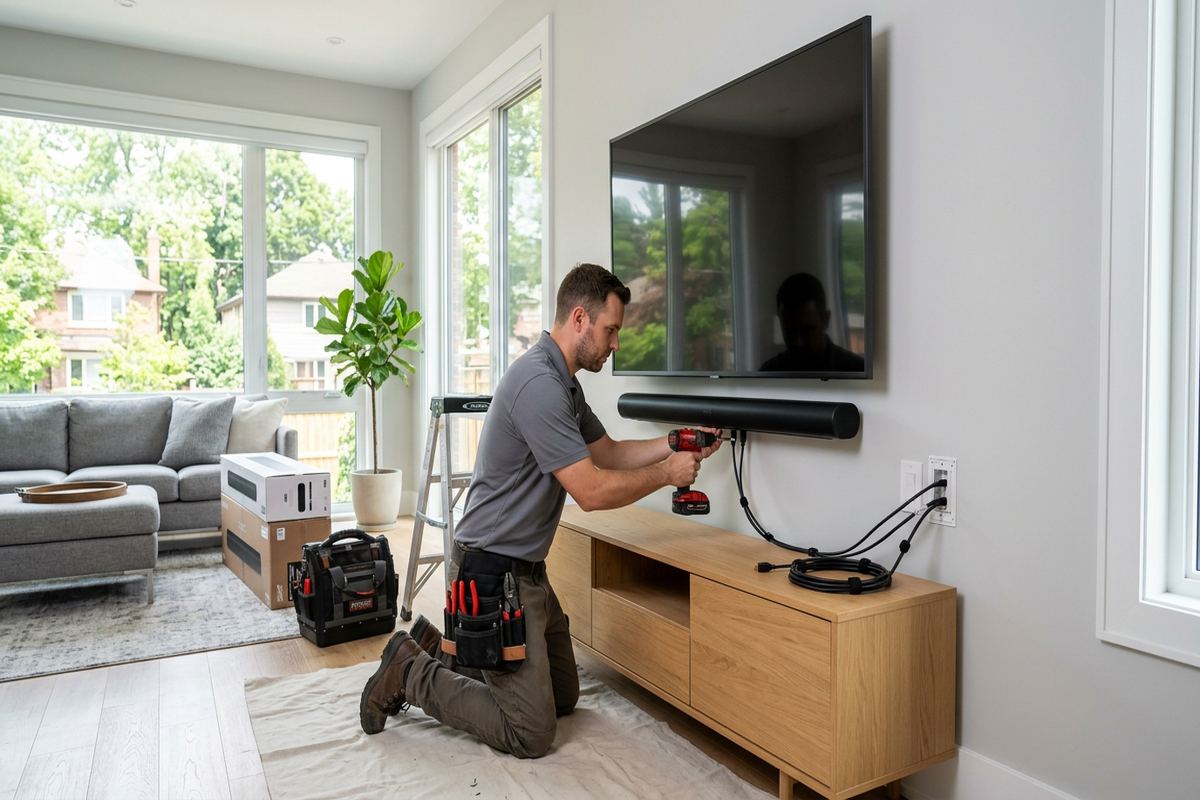
Installation begins after the scope, equipment and access arrangements are accepted. Work areas are reviewed with the customer, and speaker positions may be marked for confirmation before openings are made. Cable runs are installed continuously and labelled at their terminations. Speakers, controls and equipment are mounted using methods suited to the surface and expected load. If concealed conditions differ materially from what could be observed during assessment, UnifiedLink discusses the route or scope change before proceeding. This is important in older Chatham housing, where renovations can hide blocked cavities, obsolete wiring or unexpected layers of construction.
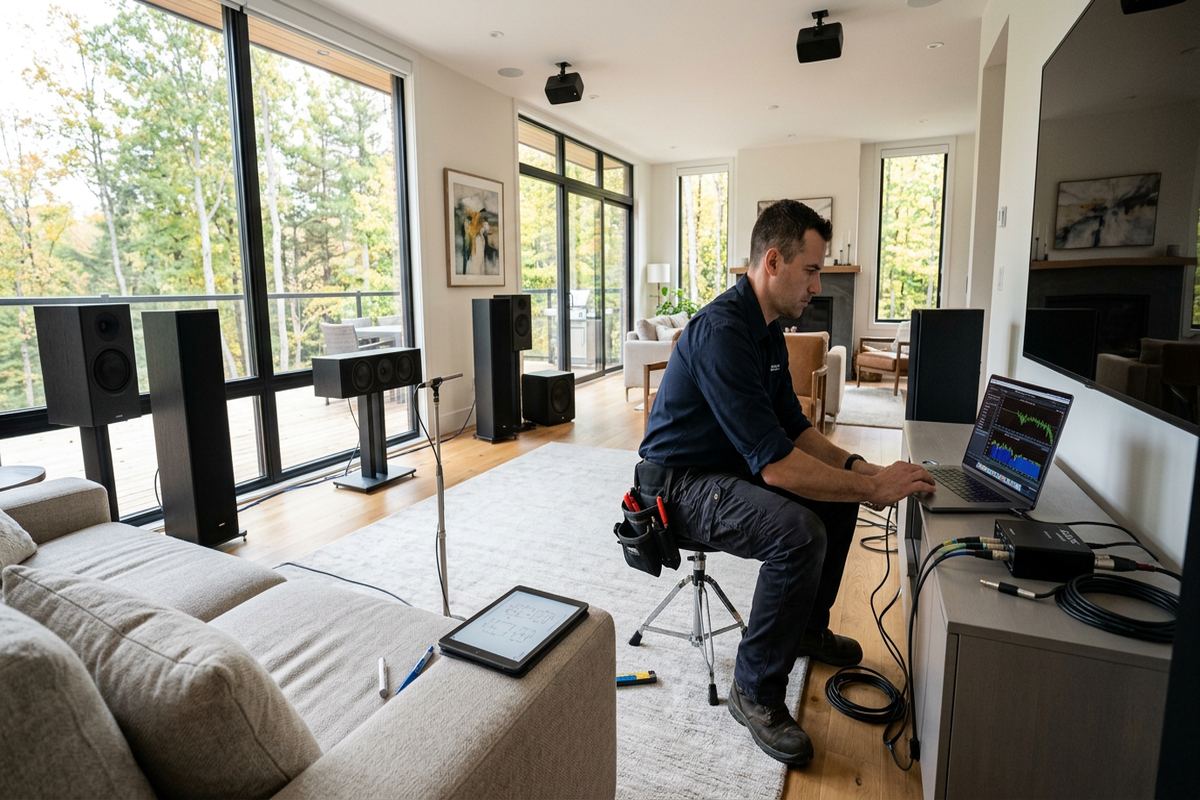
Once hardware is installed, each cable and speaker channel is checked before final configuration. Zones are named, source devices are connected and supported applications are configured on site. Testing confirms left and right assignment, basic coverage, volume response and control from the intended devices. Outdoor and remote zones are checked from their actual listening areas where conditions permit. The system is not tuned by relying only on the equipment room. Where a concern relates to the internet service, electrical supply or another contractor’s work, the finding is documented so the responsible party can address it.
Handover gives the Chatham owner control of the completed system. UnifiedLink provides the customer’s own credentials, explains normal operation and supplies an as-built record identifying installed equipment, cable destinations and zone names. Equipment ownership, warranty information and exclusions remain consistent with the written scope. One accountable contractor coordinates the included low-voltage work, reducing uncertainty about speaker, cable and configuration responsibilities. Requests sent during business hours are answered the same day, while after-hours requests are answered the next business day. Site assessment timing depends on the requested service and travel distance within Chatham-Kent.
- Confirmed positions before finished openings
- Channel, source and zone testing
- On-site application and device setup
- Customer credentials provided at handover
- As-built cable and equipment record
Chatham neighbourhoods we cover
- Downtown Chatham
- Thames Campus area
- Maple City
- Prestancia
- Wallaceburg
Whole-home audio installation in Chatham — common questions
Can you install audio in an older Chatham house?
Yes, subject to a site assessment. Older Chatham homes may have plaster and lath, masonry, blocked cavities or additions with different framing. We inspect accessible areas and plan routes that limit unnecessary finish damage. The written scope identifies concealed and surface pathways, proposed speaker locations, exclusions and any repair or trade work that is not included.
Will whole-home audio work with my existing Wi-Fi?
It may, but coverage on a phone does not prove that fixed audio devices will remain connected reliably. For Chatham installations, we review router placement, Wi-Fi coverage, available Ethernet and switch capacity. Wired connections are used for fixed equipment where practical. If network improvements are needed, they are identified in the scope before audio equipment is configured.
Can outdoor speakers stay installed through Chatham winters?
Some exterior-rated speakers are designed for year-round installation, but manufacturer limits, mounting exposure and cable protection must be considered. Chatham’s freeze-thaw cycles make compatible sealing and water-shedding cable entries important. We assess the wall material, bracket location and exposure. Seasonal removal may be recommended where equipment is not suitable for prolonged winter conditions.
Do I need approval in a condo or rental property?
Approval may be required before drilling, routing cable or attaching equipment to common elements or finished building surfaces. Chatham condo corporations, landlords and property managers can have different rules. The customer is responsible for obtaining required permission, while UnifiedLink can provide proposed device locations and cable routes so the reviewing party understands the planned work.
Can different rooms play different music?
Yes, when the selected equipment and source services support independent zones. A Chatham system can separate kitchens, bedrooms, living areas, workshops and outdoor spaces, while still allowing selected rooms to play together. We document zone names and expected controls before installation. Streaming subscriptions, account limits and third-party service rules remain subject to their providers.
How is a whole-home audio project priced?
UnifiedLink completes a site assessment before pricing because speaker count, cable distance, construction, access and equipment choices vary substantially across Chatham properties. You receive a written scope covering equipment, routes, placements, exclusions, ownership and warranty information. Assessment timing depends on the service and travel distance. Requests during business hours receive a same-day response; after-hours requests are answered the next business day.
Coverage in Chatham is confirmed against the address before we quote. See everything we install in Chatham or the province-wide whole-home audio installation page.