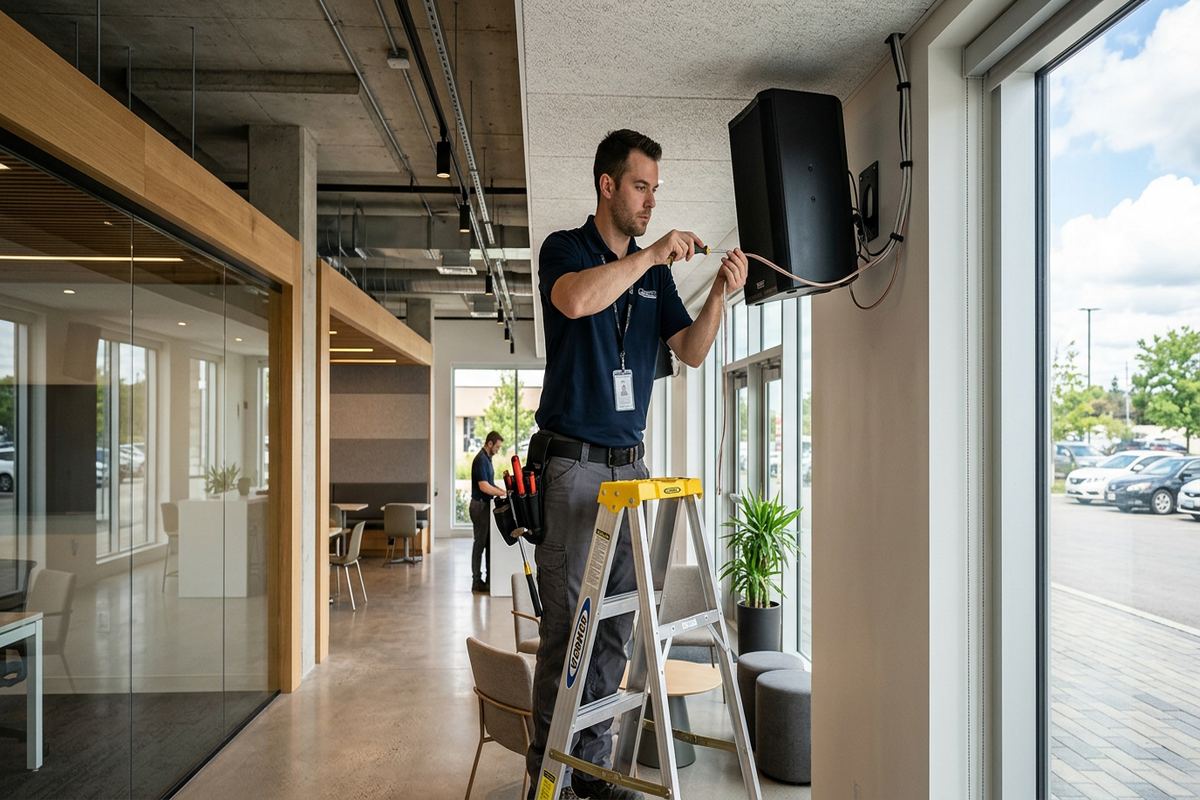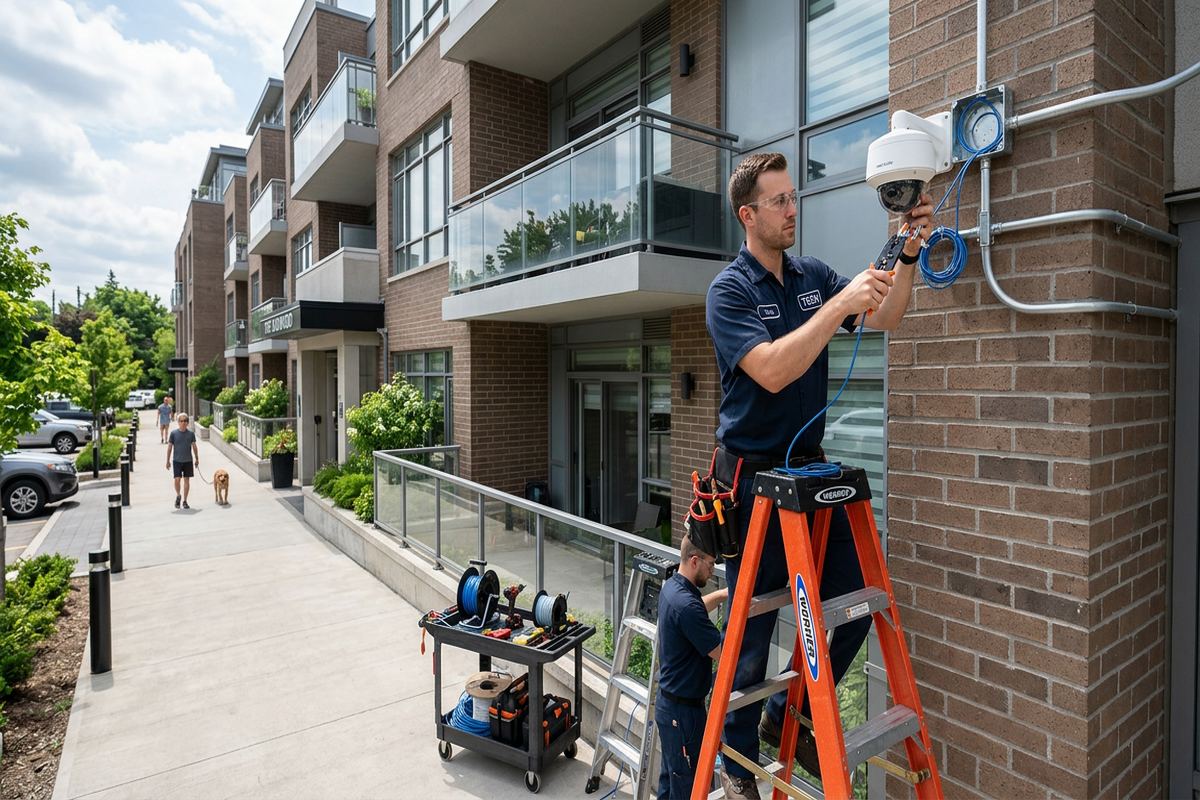
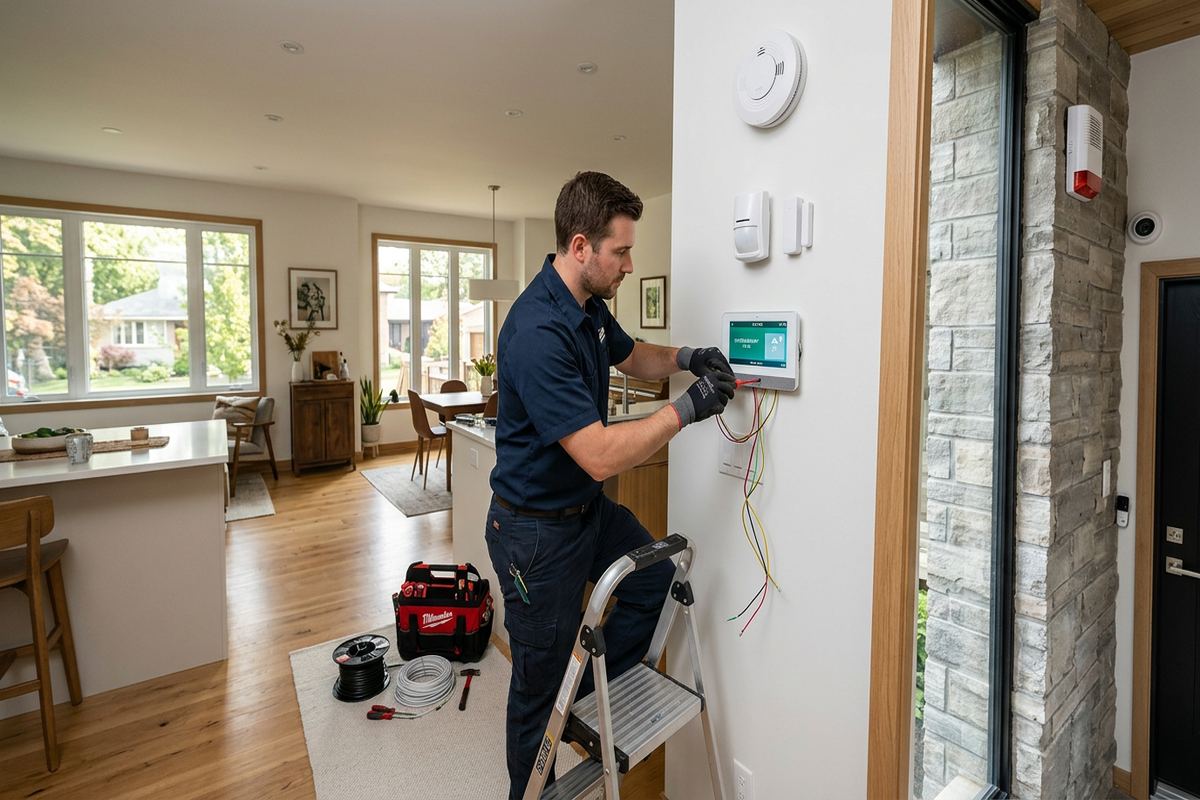
UnifiedLink installs wired and wireless home alarm systems for houses, condos and small properties across Brockville. We assess the building, identify practical sensor and keypad locations, plan cable routes, configure the system on site and provide a documented handover. Installations account for local masonry, winter conditions, approval requirements and the need for discreet mounting.
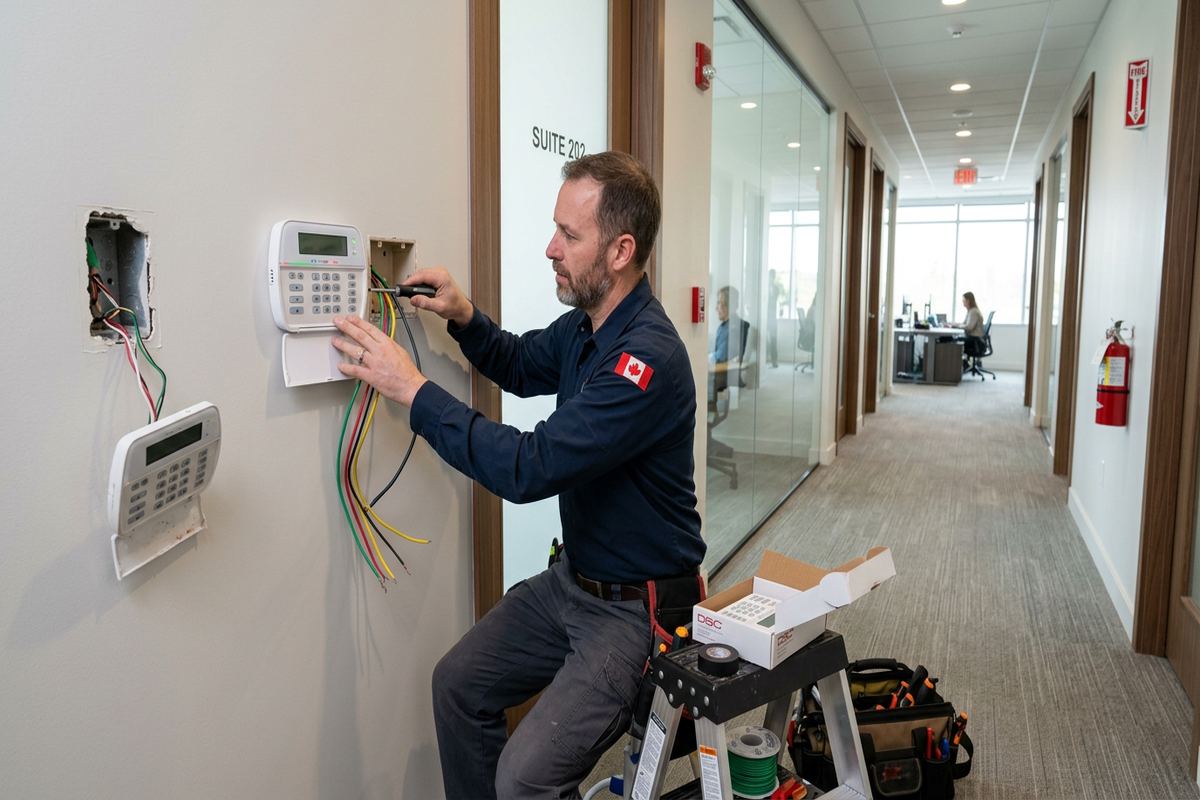
Planning a Home Alarm System in Brockville
A useful alarm system starts with the property rather than a standard equipment package. During a Brockville site assessment, we review doors, accessible windows, attached garages, basement entries, stair routes and areas containing important equipment. We also discuss who uses the building, how occupants enter and leave, whether pets move through protected rooms and how alerts should be delivered. This process helps determine where door contacts, motion detectors, glass-break sensors, keypads, sirens and supporting network equipment make practical sense without adding devices that do not address a defined risk.
Brockville homes vary considerably in layout and construction, so sensor placement must reflect the actual building. A compact frame house in North Brockville may need a different cable plan than a divided stone property near Downtown Brockville. Finished basements, additions, enclosed porches and detached garages can also change how zones should be arranged. We inspect likely cable paths, available power, communications coverage and mounting surfaces before recommending an approach. The goal is a system occupants can arm consistently, understand easily and maintain without unnecessary disruption to finished walls or architectural details.
Before pricing, UnifiedLink provides a site assessment appropriate to the requested service and travel distance. The resulting written scope identifies proposed equipment, cable routes, device placement, exclusions, equipment ownership and warranty information. It also records assumptions that could affect the installation, such as inaccessible ceiling spaces, concealed masonry, landlord approval or work by another trade. A defined scope gives the homeowner a clear basis for reviewing the project and reduces uncertainty once installation begins. One accountable contractor coordinates the alarm devices, cabling, configuration, testing and handover included in that agreed work.
- Entry-point and interior risk review
- Sensor locations matched to room use
- Cable and wireless coverage assessment
- Written scope before pricing
- Equipment ownership clearly documented
Alarm Equipment Selected for the Property
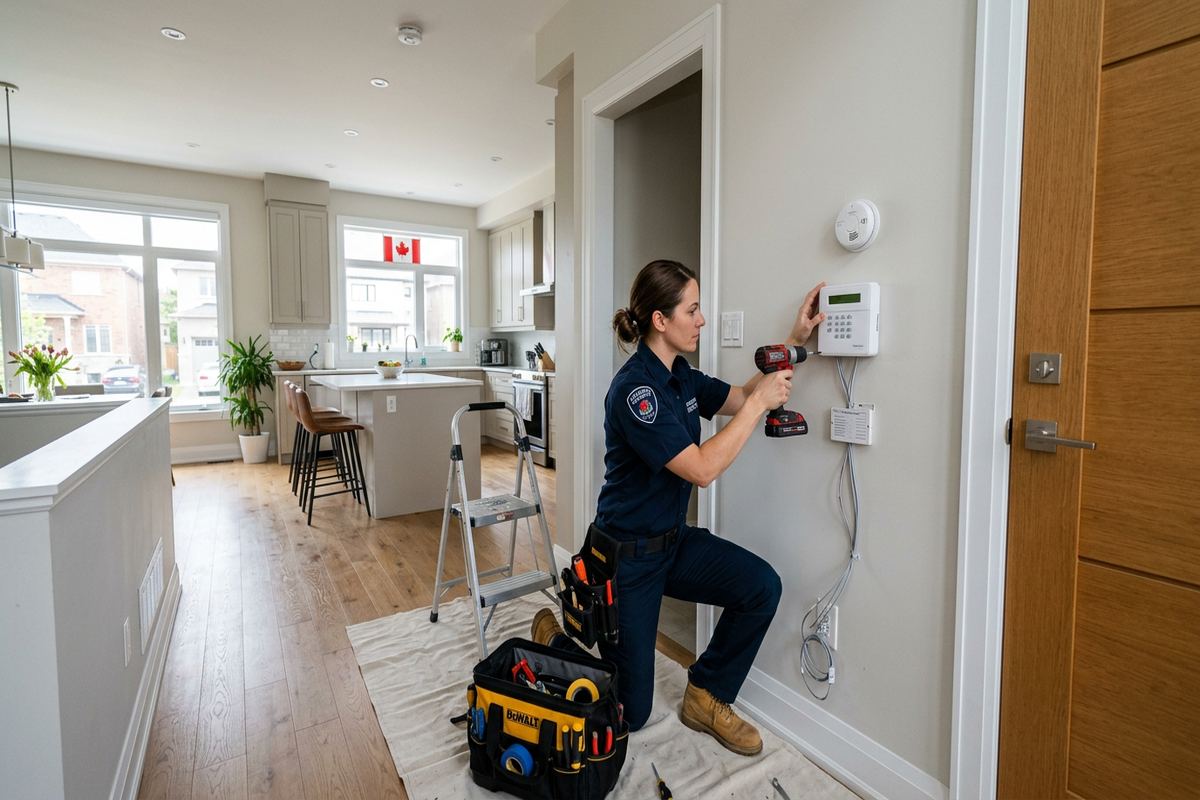
Equipment selection should follow the required protection areas and the way occupants use the property. Door and window contacts identify openings, while motion detectors provide broader interior coverage when the building is unoccupied. Glass-break detection may suit rooms with several accessible panes, but it requires suitable acoustics and positioning. Keypads belong where users can reach them naturally without exposing unnecessary wiring or creating false entries. Sirens need to be audible while remaining appropriately located. We explain the purpose of each proposed device so the final design is understandable rather than simply a collection of components.
Wired, wireless and hybrid alarm designs each have practical uses in Brockville. Continuous labelled cable runs can provide stable connections where basements, utility rooms, attics or renovation openings offer reasonable routes. Wireless devices can reduce disturbance in finished rooms, heritage interiors or areas where new cable would require damaging access work. Hybrid systems combine both methods when only part of the building is accessible. Battery replacement, radio range, wall construction and panel location all affect that decision. Thick masonry and foil-backed materials may limit signals, so coverage assumptions should be checked on site.
Alarm panels and communications equipment also need a suitable location. We look for controlled access, dependable power, workable signal conditions and enough space for service without placing the main equipment in obvious view. If app access or network communication is required, the alarm design must account for the homeowner’s internet equipment and credential ownership. Optional environmental devices, such as water or low-temperature sensors, can be considered where they address a specific concern. They supplement an intrusion system but do not replace plumbing maintenance, heating checks, smoke alarms or other dedicated life-safety measures.
- Door and window contacts
- Pet-aware motion options where suitable
- Wired, wireless or hybrid layouts
- Keypads positioned for normal routines
- Optional water and temperature monitoring
Discreet Installation in Brockville Homes
Stone heritage homes and riverfront properties in Brockville often call for discreet, low-impact mounting. Drilling decisions must consider masonry condition, trim details, visible elevations and the possibility that old finishes conceal irregular voids. We favour existing service paths and less visible interior routes where they remain technically sound. Surface-mounted components are aligned carefully and selected with their surroundings in mind. When a proposed route presents a material risk to historic fabric or a finished feature, that limitation is discussed before work proceeds rather than being treated as an installation surprise.
Frame construction usually provides more routing options, but older Brockville houses may still contain blocked cavities, multiple renovation layers or additions built with different methods. Basements can expose floor joists for continuous cable runs, while finished ceilings may require an alternate route. In masonry construction, chasing walls is rarely the default because it can create avoidable damage and extensive finishing work. Wireless or hybrid devices may offer a lower-impact solution. Every route must also keep alarm wiring away from hazards, unsuitable exterior exposure and locations where future maintenance would require unnecessary demolition.
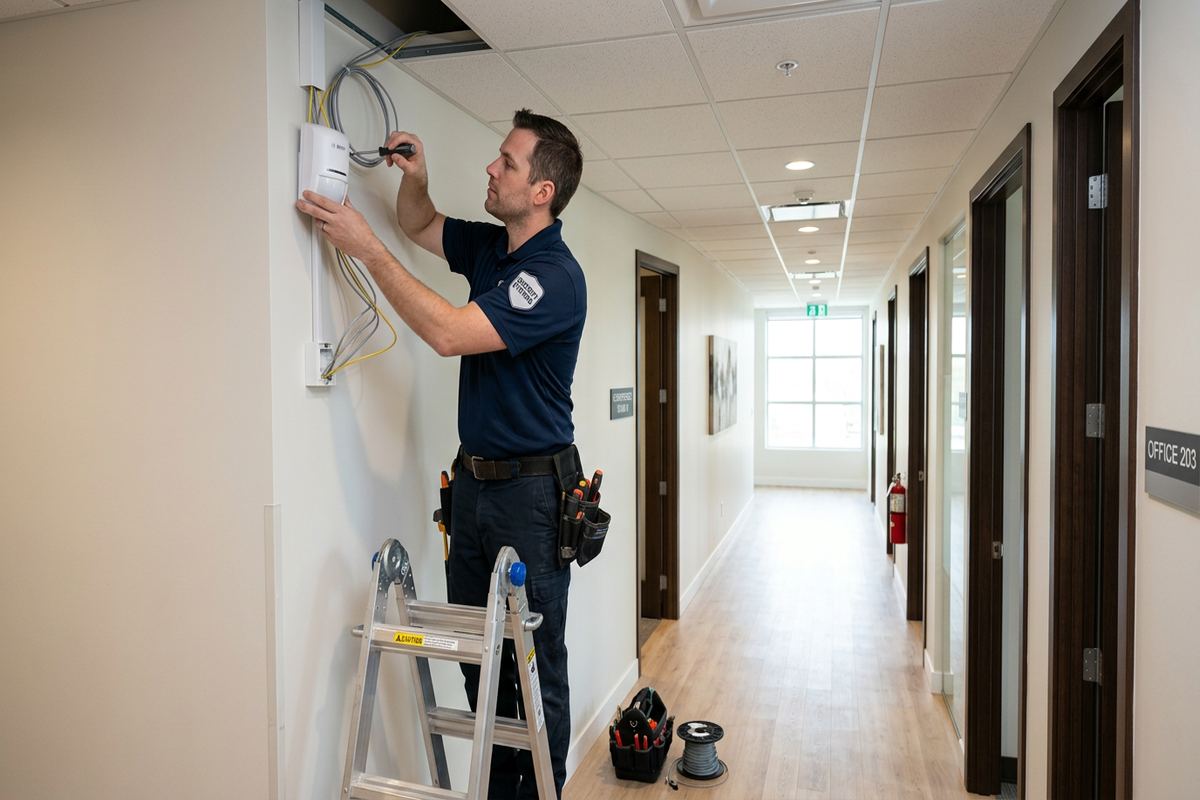
Visible workmanship matters because alarm devices remain part of the room after installation. Cable is supported, routed neatly and labelled at termination points, while penetrations are kept limited to those required by the agreed design. Device positions should not interfere with doors, blinds, trim, furniture or normal cleaning. We confirm proposed placements with the customer where appearance or access creates a choice. For occupied homes, work areas are managed in stages to limit disruption. The completed system is then checked for secure mounting, correct zone identification and consistent operation from each intended entry route.
- Low-impact routes for heritage interiors
- Careful mounting on stone and masonry
- Neat, supported and labelled cabling
- Placement coordinated with trim and furnishings
- Hybrid options for difficult cable paths
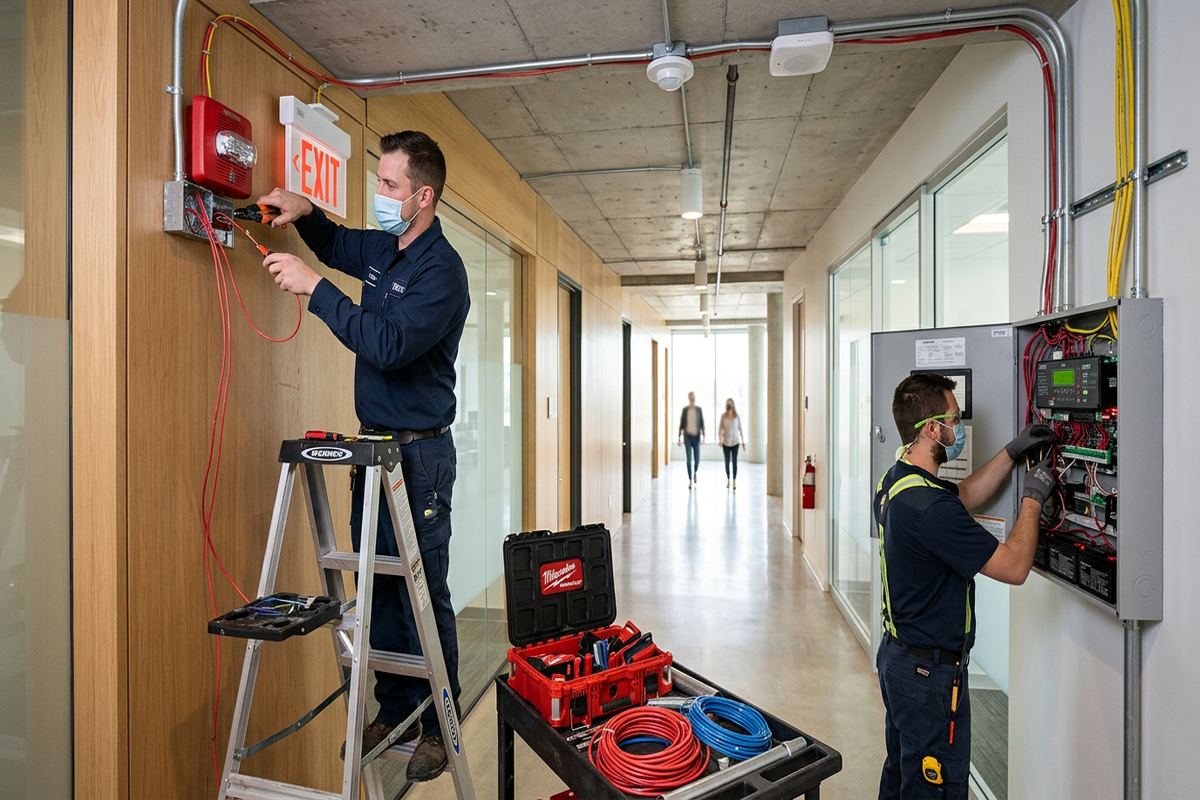
Brockville, Ontario
Home alarm system installation in Brockville, scoped in writing first
Book a site assessment and get equipment, routes, exclusions, and warranty on paper before anything is installed.
Brockville Weather and Exterior Alarm Devices
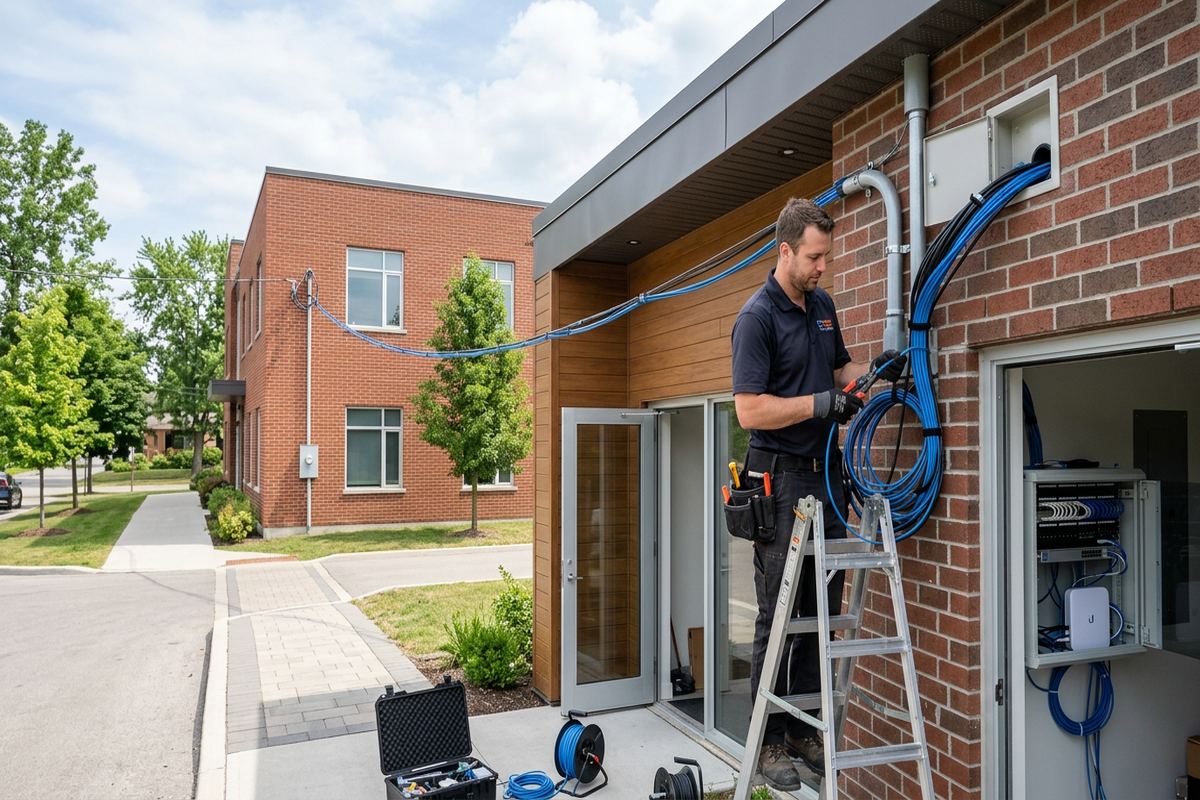
Eastern Ontario winters affect any alarm component installed in an unheated garage, porch, outbuilding or exterior location. Equipment must be suitable for the expected temperature range, and batteries can perform differently during prolonged cold. Freeze-thaw cycles also place stress on exterior penetrations and mounting surfaces. We review whether a device genuinely needs outdoor placement or can be protected from inside the building. Where exterior work is included, mounting methods and cable entries are chosen for the substrate and exposure instead of using an indoor detail in a weather-facing location.
Exterior sealing requires more than applying sealant around a cable. The penetration should be positioned to reduce water entry, formed with the correct fall where practical and sealed with materials compatible with the wall and cable jacket. Brick, natural stone, siding and poured concrete require different fastening and sealing approaches. Riverfront properties may have especially exposed elevations, making sheltered positions preferable when they still provide the required detection. Cables should not be left unsupported or routed where snow clearing, ice movement, ladders or routine yard work can damage them.
Detached garages and sheds introduce additional planning questions. Radio range must be verified through the actual walls and distance, while buried or aerial cabling requires a separate route assessment. An unconditioned structure may also exceed the operating limits of standard indoor equipment. We identify these constraints in the scope and recommend devices suited to the proposed environment. Low-temperature detection can provide useful notification in selected spaces, but it is not a guarantee against frozen pipes or heating failure. Property owners remain responsible for winter maintenance, inspection and appropriate emergency arrangements.
- Cold-rated equipment where required
- Substrate-specific exterior fasteners
- Weather-sealed cable penetrations
- Wireless range checked to outbuildings
- Exposed routes protected from damage
Approvals for Condos and Rental Properties
Condo installations in Brockville may require approval before holes are drilled, cables enter common spaces or equipment is mounted near shared doors and windows. The unit owner should review condominium rules and confirm which surfaces, frames, exterior elements and communication rooms are common property. A wireless design can reduce physical alteration, but it does not automatically remove approval requirements. We can document proposed device locations and routing for the customer’s approval process. Work proceeds according to the agreed scope after required permissions and access arrangements have been confirmed by the responsible party.
Landlords and tenants should establish who is authorizing the system, who owns the equipment and who will control the alarm credentials. Written permission may be needed for permanent mounting, cabling or changes to doors and frames. Move-out expectations also matter when adhesive contacts, wireless devices or network-connected equipment are proposed. UnifiedLink records equipment ownership and exclusions in the written scope, then hands the system over using the customer’s own credentials. We do not rely on an installer-controlled account that leaves an occupant uncertain about future access or administrative control.
Mixed-use properties and converted houses can present shared-entry issues. A storefront below a residence, several rental units behind one entrance or a building with a common basement requires clear zone boundaries and user permissions. One occupant should not receive access to another unit’s protected area unless the property owner has intentionally designed it that way. Fire separations, common corridors and utility rooms may also restrict cable routes. We review the requested alarm function, but building-code, fire-alarm or access-control requirements outside the home alarm scope may require involvement from other qualified parties.
- Condo approval needs identified early
- Landlord authorization documented
- Equipment ownership stated in writing
- Separate users and zones where appropriate
- Common-property limits included in scope
Installation, Configuration and Testing in Brockville
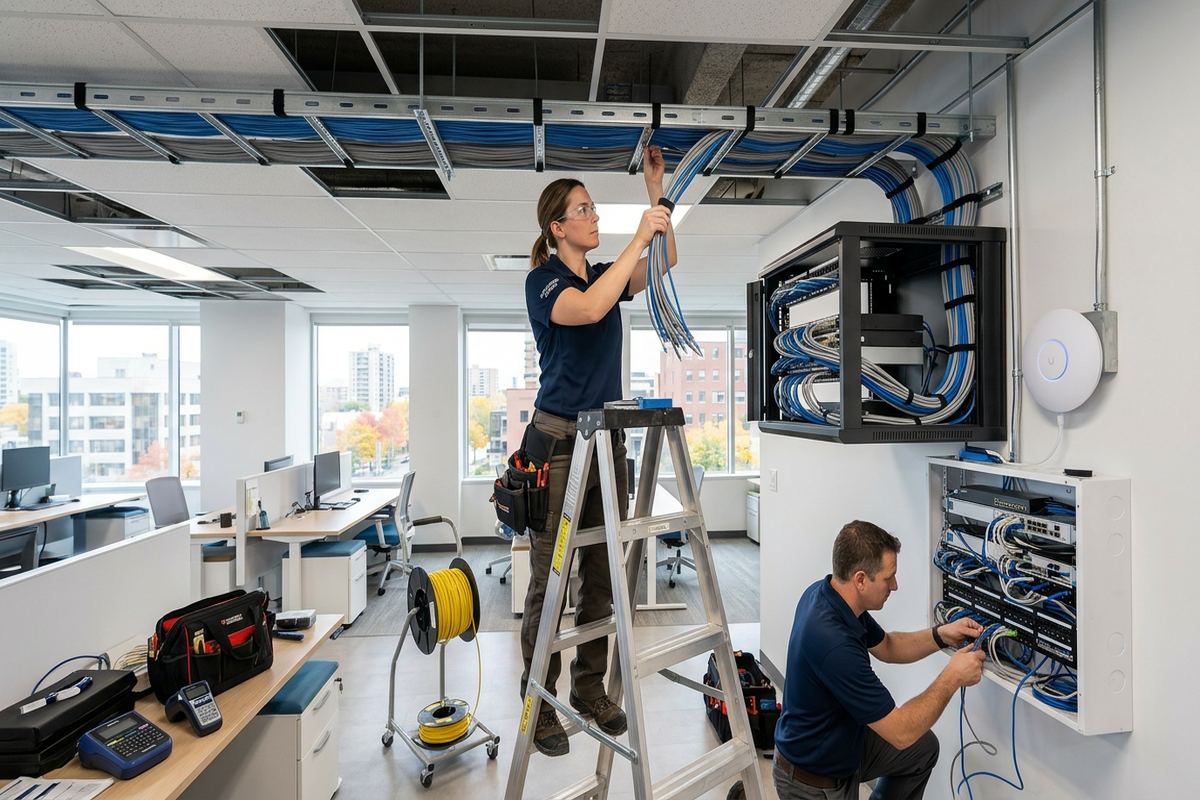
Once the Brockville installation scope is approved, work begins with confirming device positions and any conditions that changed after assessment. Continuous labelled cable runs are installed where wired devices are specified, avoiding undocumented joins and unnecessary intermediate connections. Wireless devices are enrolled from their final positions so communication can be checked under real conditions. Sensors, keypads, sirens and communication modules are mounted according to the planned layout. If concealed conditions prevent an agreed route, we stop and discuss a practical alternative rather than creating unapproved damage or quietly changing the design.
Configuration takes place on site because zone names, entry delays, user routines and notification settings must match the property. A front door used every day may need different behaviour from a basement window or detached garage contact. Motion detectors are walk-tested across their intended areas, and opening devices are operated individually to confirm correct reporting. Sirens, keypads and available communication paths are also tested. Where pets, fans, curtains or heating sources could affect detection, placement and settings are reviewed, although no configuration can compensate for a fundamentally unsuitable sensor location.
Testing includes both alarm activation and normal daily operation. Users should be able to arm the appropriate areas, enter through the expected door, disarm without confusion and identify which zone caused an event. We correct inaccurate labels and verify that devices report to the panel consistently. App or network functions included in the scope are configured with the customer present whenever practical. Internet-dependent features remain subject to the customer’s network and service availability. The alarm’s local operation, remote communication and any third-party monitoring arrangement are explained as separate functions so their dependencies are clear.
- Continuous labelled wired runs
- Final-position wireless enrolment
- Individual zone and sensor testing
- Customer-specific entry and exit settings
- Network dependencies explained clearly
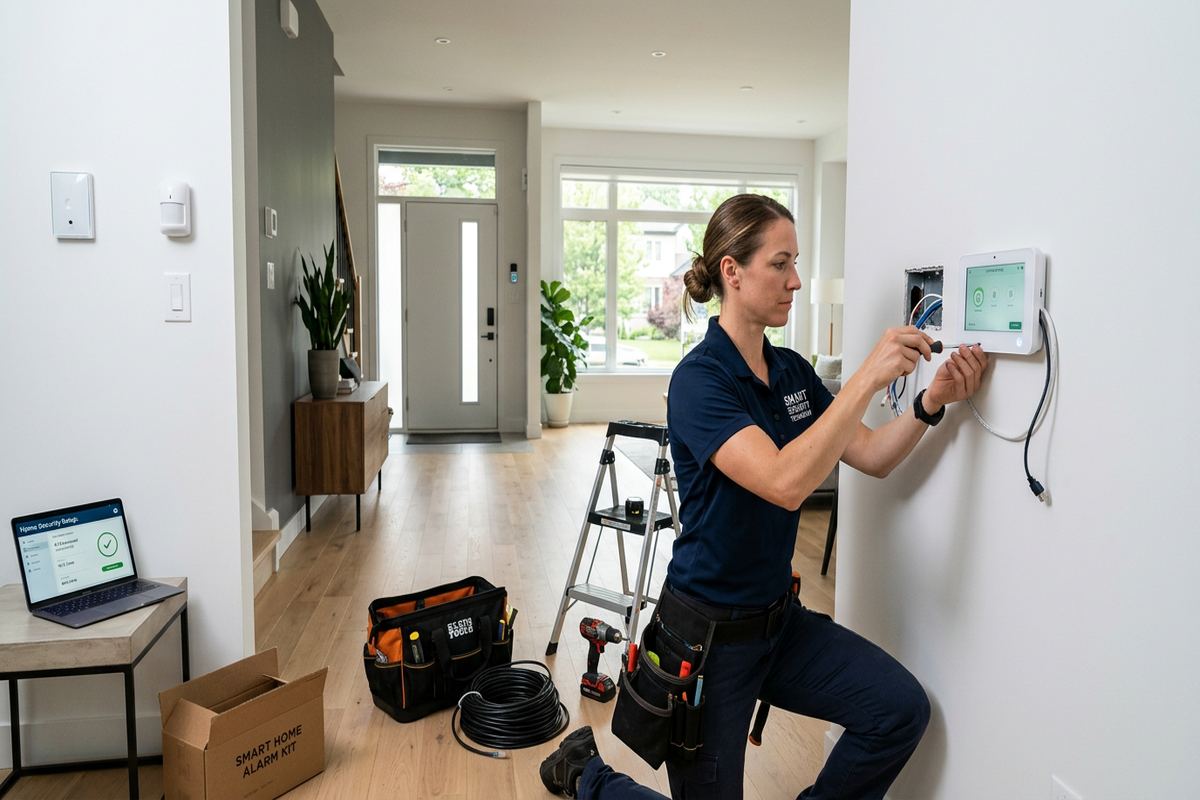
Alarm Handover and Ongoing Use
A completed installation should leave the customer in control. UnifiedLink provides handover using the customer’s own credentials and explains how to arm, disarm, bypass a zone, manage authorized users and interpret common panel messages. The customer receives an as-built record showing the installed system and relevant device or cable information from the completed scope. Ownership details and warranty information are included as applicable. Administrative access is not intentionally retained as a substitute for proper handover. Customers should store credentials securely and remove user codes promptly when occupants, tenants or service providers change.
Alarm systems need periodic attention even when they appear quiet. Door alignment can shift, window renovations can disturb contacts and furniture changes can obstruct motion detection. Wireless batteries eventually require replacement, and communication services or home network settings may change. Brockville’s seasonal movement and freeze-thaw conditions can also affect doors, exterior seals and devices in unconditioned areas. Homeowners should respond to trouble messages, inspect visible components and arrange testing after renovations or repeated unexplained events. A system that reports faults should not be assumed to provide complete protection until the cause is identified.
Changes to the household should prompt a review of alarm operation. New pets, mobility needs, home-based work, short-term guests or a renovated entrance can make previous settings inconvenient or unsuitable. In areas such as Rivers Edge, Butler’s Creek or Centennial, additions and finished basements may also create new accessible openings beyond the original design. Expansion should follow the same planning process as the first installation: assess the space, confirm compatibility, document ownership and update zone records. Adding devices without updating labels and user instructions can make future alarms harder to understand.
- Customer-controlled system credentials
- As-built installation record
- User-code and bypass instruction
- Maintenance needs explained at handover
- Documentation updated after expansion
Alarm Planning Beyond Brockville Houses
Although this service focuses on home alarm installation, some Brockville properties combine residential space with workshops, offices or small storefronts. Commercial strips and industrial units have different operating hours, entry patterns and equipment risks than a typical house. A single panel may support separately controlled areas when the equipment and layout permit, but user permissions and zone boundaries must remain clear. Large open areas, overhead doors, stock movement and employee access can affect detector choice. These conditions are assessed rather than applying a residential sensor layout to a working commercial environment.
Home businesses also require practical separation between family routines and work access. A client entrance may need its own contact and notification, while an inventory room could remain armed when the living area is occupied. If staff, cleaners or contractors need entry, individual user codes are preferable to sharing one code without accountability. Cameras, access control or structured cabling may complement an alarm, but each serves a different purpose and should have its own scope. An intrusion alarm detects configured events; it does not physically prevent entry or replace suitable locks and doors.
From Downtown Brockville heritage buildings to newer homes in North Brockville, the installation approach should remain documented and property-specific. UnifiedLink acts as one accountable contractor for the assessed alarm work, including specified equipment, cabling, on-site configuration, testing and handover. Requests sent during business hours are answered the same day, while after-hours requests are answered the next business day. Site assessment timing depends on the requested service and travel distance. After reviewing the property, we prepare a written scope so the owner can understand the proposed work before making an installation decision.
- Residential and work zones separated
- Individual codes for authorized users
- Overhead and service doors assessed
- Related systems scoped independently
- One contractor for defined alarm work
Brockville neighbourhoods we cover
- Downtown Brockville
- North Brockville
- Rivers Edge
- Butler's Creek
- Centennial
Home alarm system installation in Brockville — common questions
Can you install an alarm in an older Brockville stone home?
Yes, subject to a site assessment. Stone walls, older trim and concealed renovation layers can limit conventional cable routes. We look for existing service paths, basement or attic access and discreet mounting positions before proposing wired, wireless or hybrid equipment. The written scope identifies expected routes and exclusions so low-impact methods can be agreed before drilling or permanent mounting begins.
Should I choose a wired or wireless alarm system?
The choice depends on access, wall construction, radio conditions and maintenance preferences. Wired devices can suit open basements or renovations where continuous labelled runs are practical. Wireless devices often reduce disruption in finished or heritage interiors. Many Brockville properties benefit from a hybrid layout. We assess actual routes and signal conditions instead of recommending one method for every building.
Can alarm devices be installed in an unheated garage?
They can be installed when the selected equipment is suitable for the garage’s expected temperature and moisture conditions. Eastern Ontario cold can affect batteries and equipment not rated for unconditioned spaces. We also check mounting surfaces, wireless range and door movement. Low-temperature notification may be considered, but it does not replace heating maintenance or guarantee protection against frozen plumbing.
Do I need condo or landlord approval in Brockville?
Possibly. Condo rules may restrict drilling, door-frame contacts, exterior devices, shared communication spaces or work on common property. Tenants generally need the owner’s permission for permanent mounting and cabling. The customer is responsible for obtaining required approvals. UnifiedLink can provide proposed locations and scope details to support that process before installation access is scheduled.
Will I control the alarm account and credentials?
Yes. Handover is completed with the customer’s own credentials, along with instruction on user codes, arming, bypassing and common system messages. The as-built record documents the completed installation. If monitoring or another third-party service is selected, its account terms and communications dependencies should be reviewed separately from ownership and local operation of the installed alarm equipment.
How quickly will you respond to a Brockville request?
Requests sent during business hours are answered the same day. Requests received after hours are answered the next business day. Site assessment timing depends on the alarm service requested and travel distance. The assessment takes place before pricing so building construction, device locations, cable routes, approval needs and any exterior conditions can be reflected in a written scope.
Coverage in Brockville is confirmed against the address before we quote. See everything we install in Brockville or the province-wide home alarm system installation page.