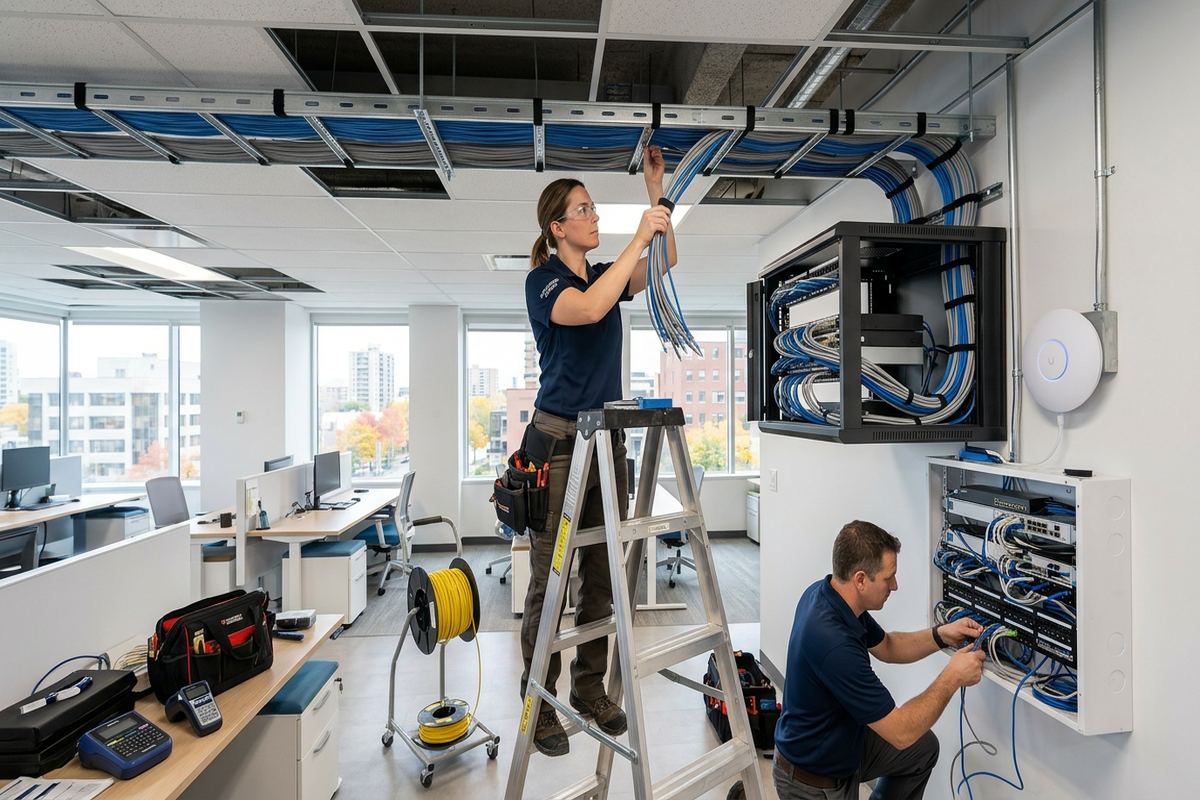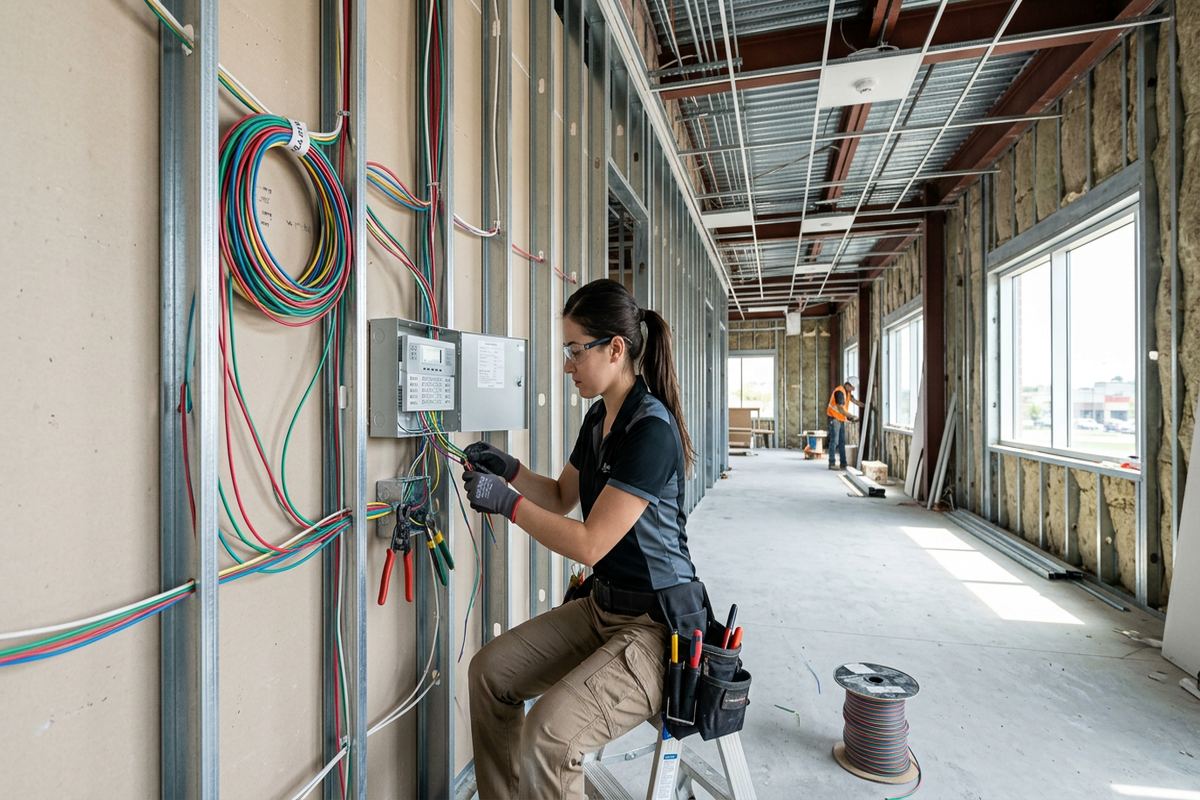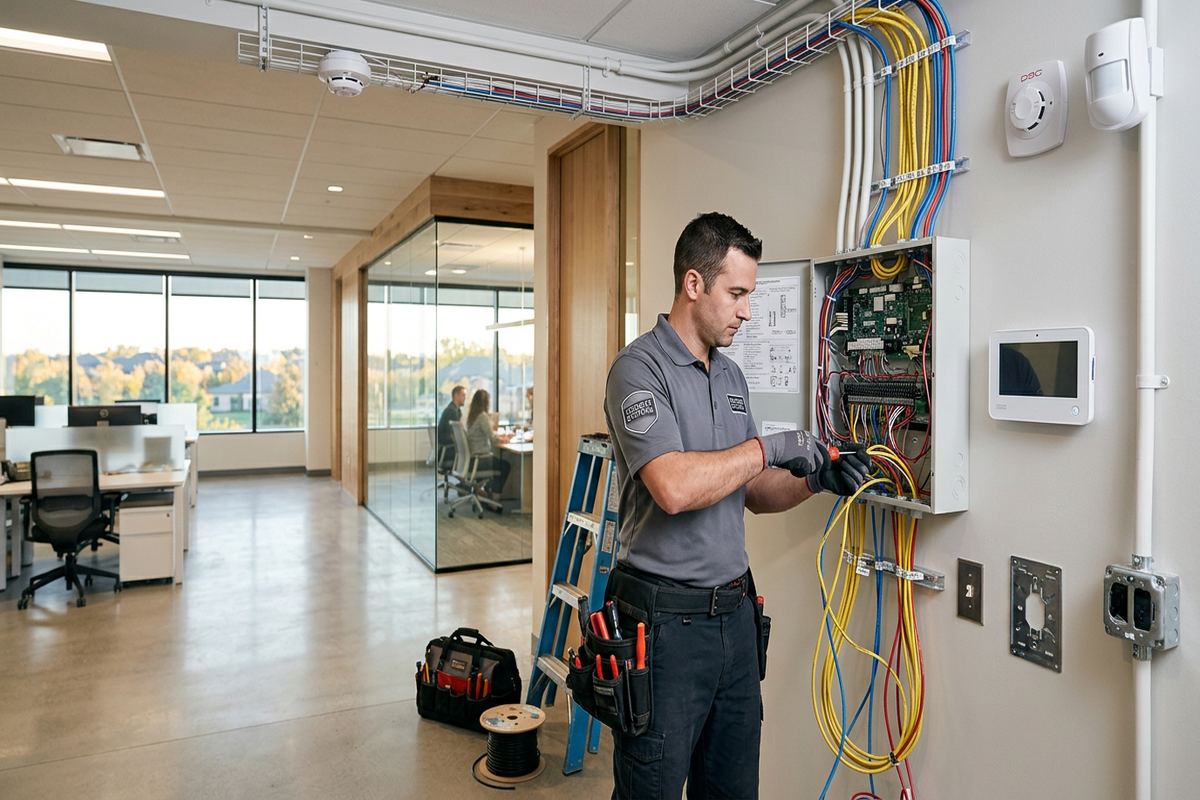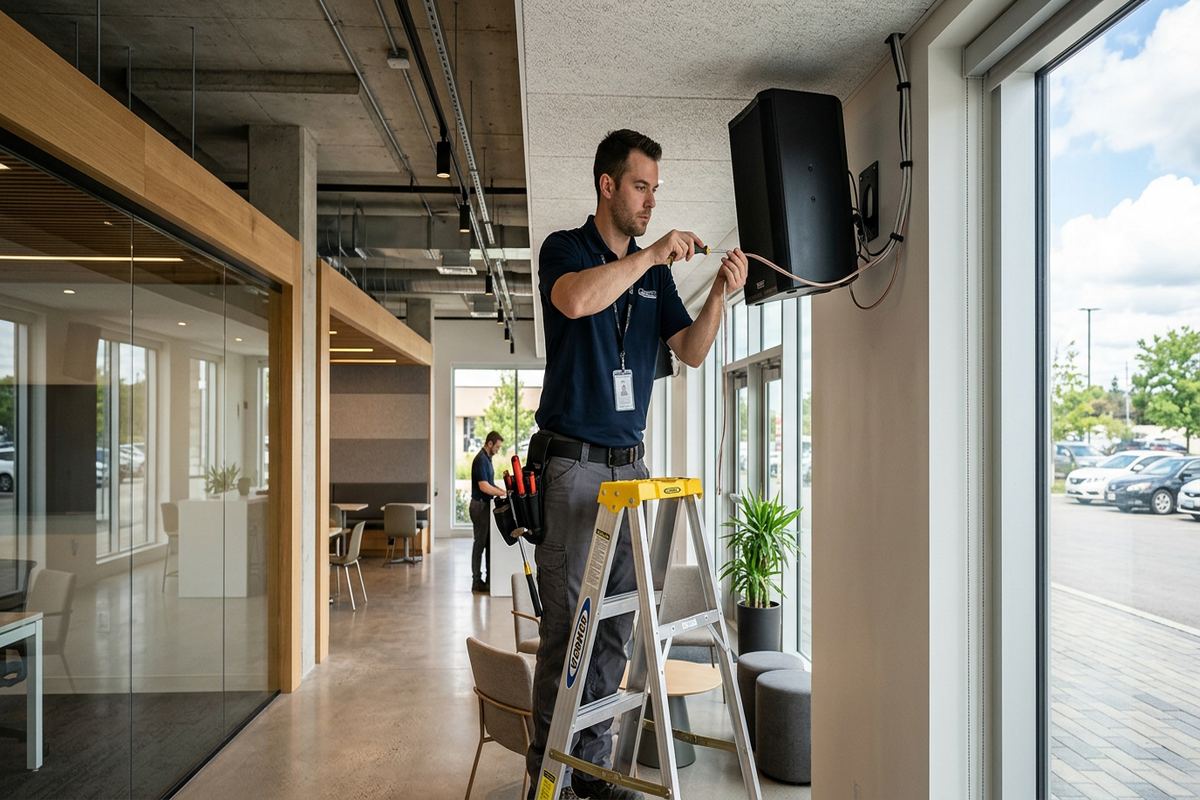
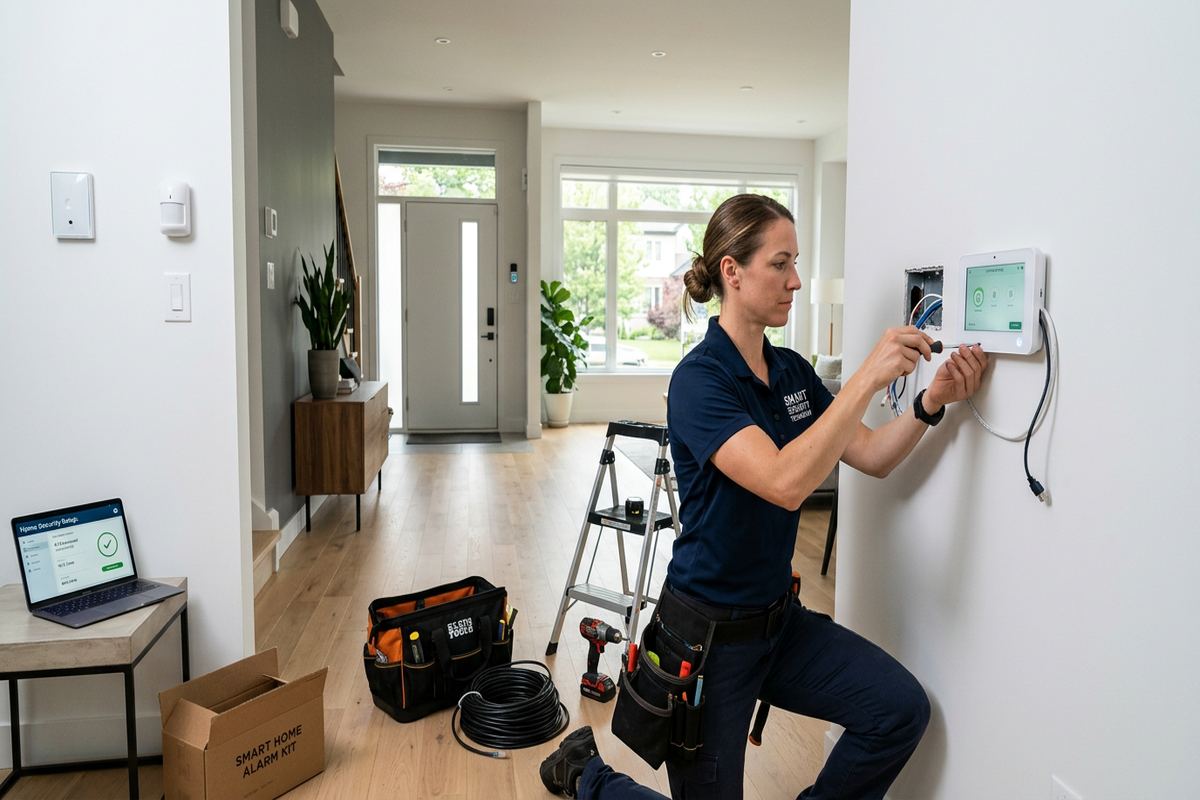
UnifiedLink installs home alarm systems in Bolton, including hardwired, wireless, and hybrid equipment. We assess the property before pricing, plan sensor and keypad locations, complete on-site configuration, and provide a clear handover. Installations account for local building construction, winter conditions, household routines, pets, outbuildings, and future expansion requirements.
Home Alarm Installation Planning in Bolton
A reliable alarm installation starts with an assessment of the building rather than a package selected from a list. In Bolton, homes range from older properties around Old Bolton to newer detached houses on North Hill and South Hill. Their construction, renovation history, available cable paths, and number of accessible openings vary considerably. We examine doors, windows, attached garages, basements, utility areas, and likely entry routes before proposing equipment. The assessment also considers how residents enter and leave, where pets move, and whether family members need separate user codes or simpler keypad operation.
Property construction affects both device selection and installation methods. A frame house may provide concealed routes through wall cavities, unfinished basements, or attic spaces, while masonry walls can require surface raceway, carefully placed drilling, or wireless sensors. Finished lower levels and additions often interrupt otherwise direct cable routes. Valley-side homes may also have walkout levels, rear doors, elevated decks, or windows that are less visible from the street. These details influence which openings receive contacts, where motion detectors can see effectively, and how wiring can be completed without unnecessary damage to finished surfaces.
Following the assessment, UnifiedLink provides a written scope before work begins. It identifies proposed equipment, device placement, cable routes, exclusions, equipment ownership, and applicable warranty information. This gives the property owner a practical basis for reviewing the installation and asking questions before walls are drilled or devices are mounted. Site assessment timing depends on the service and travel distance. Requests submitted during business hours are answered the same day, while after-hours requests are answered the next business day. Pricing is based on the assessed property and agreed scope rather than unsupported assumptions.
- Door and window opening review
- Basement, attic, and garage route assessment
- Written equipment and placement scope
- Ownership and warranty details documented
Choosing Alarm Equipment for Bolton Properties
Alarm equipment should match the risks and daily use of the property. A typical system can include door contacts, window contacts, motion detectors, glass-break sensors, keypads, sirens, panic functions, and environmental devices. Not every house needs every device, and adding sensors without a placement plan can create confusing operation or unnecessary alerts. Bolton homeowners may need coverage for attached garages, side entrances, basement walkouts, patio doors, or detached structures. We identify the openings and interior zones that matter, then organize them so users can understand exactly which area produced an alarm, trouble, or bypass condition.
Hardwired systems are appropriate where usable cabling already exists or where new continuous runs can be installed without excessive disruption. Wireless equipment can be practical for finished homes, masonry construction, additions, and locations where concealed routes are unavailable. A hybrid panel combines wired and wireless zones, allowing existing cable to remain useful while supporting new devices. We inspect old alarm wiring before recommending reuse because abandoned cables may be damaged, spliced unpredictably, or poorly labelled. Any new wired connection uses a continuous labelled cable run wherever the route permits, helping future testing, changes, and fault isolation remain straightforward.
Control options also require deliberate decisions. Some owners want local keypad operation only, while others want app access, event notifications, or connection to a compatible monitoring service. These functions depend on the selected panel, communications path, account arrangement, and available internet or cellular service. UnifiedLink explains what is included in the installation and what requires a separate service relationship. The system is configured on site using the customer’s own credentials, not an installer-owned account. Final choices should also allow sensible expansion if the owner later adds smoke detection, water sensors, another keypad, or additional protected openings.
- Hardwired, wireless, and hybrid options
- Clearly named zones and user functions
- Existing alarm cable tested before reuse
- Expansion capacity considered during design
Sensors and Perimeter Protection
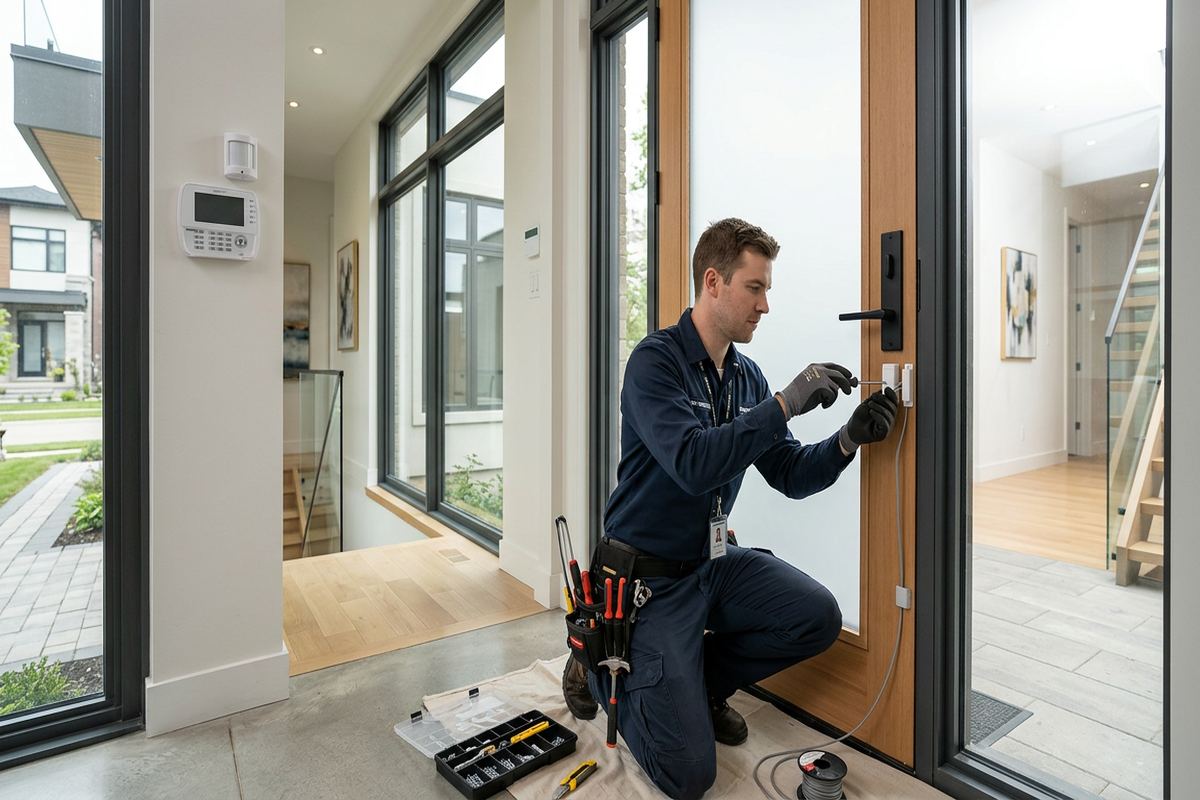
Perimeter protection detects an opening before someone moves through the interior. Door contacts are commonly installed on front, side, garage, patio, and basement entrances, while selected windows may receive contacts based on accessibility and intended operation. Sensor style depends on the frame material, available mounting depth, weather exposure, and desired appearance. Recessed contacts can provide a discreet result where the door or window construction permits drilling. Surface contacts may be safer for certain vinyl frames, steel doors, older trim, or openings where hidden installation could affect drainage, seals, hardware, or a manufacturer’s warranty.
Interior detection provides a second layer when perimeter sensors are bypassed, defeated, or impractical. Motion detectors need an unobstructed view while avoiding heat sources, moving curtains, direct sunlight, and areas where pets climb. Glass-break sensors require suitable range and room acoustics; they are not interchangeable with contacts and should not be treated as universal window protection. In open-plan Bolton homes, one detector may view several circulation paths, but stairs, half walls, tall furniture, and additions can create blind areas. Placement is confirmed in the room instead of being selected solely from a floor plan.
Exterior devices face harsher conditions than indoor alarm components. Bolton winters and repeated freeze-thaw cycles can affect exposed cable, fasteners, seals, and poorly protected penetrations. Where exterior-rated contacts, sirens, or related devices are included, we use suitable mounting methods and seal entries to reduce moisture intrusion. Cable should not be left loose against siding, routed through drainage paths, or passed through masonry without appropriate protection. An exterior device must also be rated for its location; an indoor sensor beneath a shallow overhang is not automatically suitable. The written scope identifies exterior work and any access limitations.
- Contacts selected for frame construction
- Motion coverage checked for obstructions
- Pet movement considered during placement
- Exterior penetrations protected and sealed

Bolton, Ontario
Home alarm system installation in Bolton, scoped in writing first
Book a site assessment and get equipment, routes, exclusions, and warranty on paper before anything is installed.
Installation in Older and Renovated Bolton Homes
Older buildings around Old Bolton can contain multiple generations of renovation, including plaster, masonry, finished basements, replaced windows, and additions built with different framing methods. A cable route that appears direct may be blocked by solid bridging, old mechanical systems, or inaccessible ceiling spaces. Before drilling, we review practical pathways and visible indicators of past work. Where concealed wiring is not reasonable, alternatives can include wireless devices or neat surface raceway in agreed locations. The objective is not to force one installation method into every house, but to deliver dependable coverage while respecting existing finishes and construction constraints.
Renovated properties often retain portions of a previous alarm system. Existing keypads and sensors may look serviceable even when the panel is obsolete, cables are unlabelled, or zone wiring has been altered during other work. We inspect accessible components and test circuits before deciding what can remain. Reusing sound wiring can limit disruption, but reuse is not assumed merely because a cable reaches the panel location. Unsupported splices, corroded contacts, damaged insulation, and hidden end-of-line components can complicate future service. Findings that affect the scope are discussed with the owner before replacement or additional work proceeds.
Masonry and frame construction require different fastening, drilling, and cable-handling techniques. Brick veneer should not be treated like a structural mounting surface without considering the cavity and intended load. Concrete foundation walls may provide durable routes but need appropriate anchors and protected penetrations. Wood framing allows concealed runs in some areas, although vapour barriers, insulation, plumbing, and electrical wiring must still be respected. In Bolton’s valley-side homes, grade changes can make one basement wall fully below ground and another open to a yard. That difference affects access, sensor priorities, moisture exposure, and possible routes to rear entrances.
- Old alarm wiring inspected and tested
- Routes adapted to finished spaces
- Masonry and frame methods selected separately
- Renovation constraints recorded before installation
Alarm Coverage for Bolton Garages and Outbuildings
Attached garages deserve specific attention because they often contain an exterior vehicle door, a side door, windows, and an interior door leading into the house. Contacts can report which opening is unsecured, while interior detection may provide additional coverage when environmental conditions permit. Garage temperature swings, dust, vibration, and vehicle movement influence device selection. The overhead door also requires hardware suited to its travel and mounting surface. In Bolton homes where the garage is a regular family entrance, keypad location, entry delay, and arming routines should support daily use without weakening protection for the door into the living area.
Detached garages, sheds, and workshops present different communications and power questions. A wireless sensor must operate within reliable range through exterior walls and across the distance to the house. Metal cladding, masonry, terrain, and neighbouring radio activity can reduce performance. Hardwired links require an appropriate pathway between buildings and should not be improvised with indoor cable exposed outdoors. We assess the structure, available conduit, power, panel compatibility, and actual coverage needs before including an outbuilding. Where a dependable connection is not practical, the limitation is documented rather than concealed behind an installation that may produce intermittent supervision troubles.
Valley-side lots can create elevation changes between the house, driveway, rear yard, and accessory structures. These differences matter when radio signals pass through foundation walls or when exterior cable routes would be exposed to runoff and seasonal ground movement. Freeze-thaw conditions can shift poorly supported conduit and allow water into inadequately sealed entries. Any route between structures needs to account for weather exposure, drainage, physical protection, and future access. Alarm coverage should also remain distinct from general property surveillance: cameras can help review activity, but they do not replace supervised contacts or alarm sensors on designated doors and windows.
- Garage doors assigned clear zone names
- Wireless range checked at outbuildings
- Outdoor pathways assessed for exposure
- House and accessory zones separated logically
Configuration, Testing, and Bolton Handover
Once devices are installed, each alarm zone is programmed with a clear name and appropriate response type. An exterior entry door may need a delay so an authorized user can reach the keypad, while another opening may require an immediate alarm when the system is armed. Motion detectors, stay modes, bypass functions, chimes, siren timing, and user permissions are configured around the agreed operating plan. On-site configuration matters because household routines cannot be represented accurately by factory defaults. In a Bolton family home, separate codes can also make it easier to manage residents, relatives, cleaners, or contractors without sharing one credential.
Testing covers more than confirming that a sensor appears on a keypad. Door and window contacts are opened individually, motion coverage is walked, audible devices are checked, and trouble conditions are reviewed where applicable. Wireless signal and battery status are verified through the panel’s available diagnostics. If communications or app functions are included, they are tested using the intended connection and customer account. Users are shown how to arm, disarm, silence an alarm, identify an open zone, manage codes, and respond to common trouble messages. Monitoring dispatch procedures remain subject to the separate provider and account selected by the customer.
At handover, the customer receives control through their own credentials along with an as-built record of the completed work. The record identifies installed devices and zone information and notes relevant changes from the original scope. Labels on continuous cable runs and organized panel terminations support future troubleshooting or expansion. Equipment ownership and warranty details are also confirmed according to the written scope. UnifiedLink remains one accountable contractor for the installation work, avoiding uncertainty about who placed sensors, pulled cable, and configured the panel. Customer passwords are not retained as a substitute for a proper documented transfer.
- Zones named for actual locations
- Every installed sensor function-tested
- Customer credentials used for setup
- As-built system record supplied
Approvals and Mixed-Use Properties in Bolton
Not every alarm installation can proceed solely with an occupant’s approval. Condo corporations may regulate drilling, common walls, exterior devices, hallway sounders, and cable routes through shared spaces. Tenants generally need landlord authorization before equipment is permanently mounted or building wiring is altered. We ask who owns the property and whether written approval is required before finalizing the work. Battery-powered wireless devices can reduce physical changes, but they do not automatically remove approval obligations. The property owner or occupant remains responsible for obtaining necessary consent, access, and building information, while the scope records known restrictions that affect placement or installation.
Bolton also includes commercial strips and industrial units, particularly around Bolton Industrial Park on the north end. Although a home alarm service is designed primarily for residential properties, some owners need protection for a home office, workshop, or small mixed-use space. Business occupancy changes how staff codes, opening schedules, stock areas, receiving doors, and after-hours access should be organized. An industrial unit may require a separate commercial alarm assessment rather than a residential layout. We identify that distinction early so device selection, documentation, communications, and user management reflect the actual use of the premises instead of an unsuitable household template.
Properties containing rental suites, shared entrances, or work areas need careful partitioning. One panel may support separate areas, but only if the equipment and programming provide suitable partitions and users understand how they interact. Shared sirens, common doors, utility rooms, and internet equipment can create dependencies between occupants. In Bolton South Hill or North Hill homes adapted for multigenerational living, the practical goal may be independent control without leaving common access points unprotected. We review who should operate each area, who receives notifications, and who owns the equipment before proposing a configuration. Privacy and authority should be clear at handover.
- Condo restrictions reviewed before drilling
- Landlord approval identified where required
- Residential and business areas assessed separately
- Shared access and user authority documented
Maintaining a Bolton Home Alarm System
Alarm systems require periodic attention after installation. Wireless sensors depend on batteries, doors can shift, renovations can interrupt cable, and internet equipment may be replaced without reconnecting alarm communications. Homeowners should respond to low-battery and supervision warnings rather than repeatedly clearing them. Doors and windows should also close consistently enough for contacts to align. Bolton’s seasonal temperature changes can affect exterior doors, garage openings, and frames, particularly where freeze-thaw movement already exists. A sensor that becomes intermittent should be inspected along with the opening itself, since adjustment may involve the door hardware, magnet position, cable, or device.
Changes to the property should be reviewed before construction starts when possible. Replacing windows, finishing a basement, adding built-in cabinetry, or renovating an entrance can remove sensors or bury alarm cable. Contractors may not know which low-voltage wiring remains active. An as-built record helps identify devices and routes, but accessible conditions still need confirmation on site. If an addition creates new doors or changes circulation, the original motion coverage may no longer be sufficient. Planning alarm changes alongside the renovation usually produces cleaner routes and avoids temporary gaps that become permanent after walls and ceilings are closed.
A useful maintenance routine includes testing the system according to the equipment and monitoring provider instructions, keeping contact information current, and removing codes that are no longer required. Users should understand how to place the system in test mode before triggering monitored devices. Exterior components deserve visual checks for loose mounting, cracked seals, cable damage, or water exposure after severe weather. When service is required in Bolton, clear zone names and labelled runs reduce diagnostic time by showing where a fault originates. Additions and replacements should be documented so the system record continues to reflect the installed condition.
- Low-battery warnings addressed promptly
- Door alignment and contacts checked
- Renovation changes added to records
- Exterior seals inspected after harsh weather
Bolton neighbourhoods we cover
- Bolton North Hill
- Bolton South Hill
- Old Bolton
- Bolton Industrial Park
Home alarm system installation in Bolton — common questions
Can you reuse an existing alarm system in my Bolton home?
Existing panels, wiring, contacts, and keypads can be assessed for reuse, but compatibility and condition must be confirmed first. We test accessible circuits and inspect labelling, splices, device condition, and panel capability. Older Bolton homes may have wiring altered during renovations. Reusable components are identified in the written scope; damaged, unsupported, or incompatible equipment is not assumed to be serviceable.
Should I choose wired or wireless alarm sensors?
The right choice depends on construction, finishes, available cable routes, and expansion needs. Hardwired sensors suit accessible basements, attics, or existing usable wiring. Wireless equipment can reduce disruption in finished or masonry homes. Many Bolton properties benefit from a hybrid panel that keeps sound existing wires while adding wireless devices where concealed runs are impractical.
Will exterior alarm devices withstand Bolton winters?
Exterior equipment must be rated for its location and mounted with suitable fasteners, cable protection, and sealed penetrations. Bolton’s cold weather and freeze-thaw cycles can expose weaknesses in unsupported cable or poor sealing. We assess the mounting surface and weather exposure before including exterior contacts, sirens, or related devices, and document any access or placement limitations.
Do I need condo or landlord approval?
Approval may be required if you rent, live in a condominium, or plan work affecting common elements, exterior surfaces, shared walls, or building wiring. Bolton tenants should obtain landlord authorization before permanent mounting or drilling. Condo owners should review corporation rules. Wireless equipment may reduce alterations, but it does not automatically remove the need for consent.
Can one alarm cover my house and detached garage?
Possibly, but the route or wireless connection must be dependable. We assess distance, wall construction, metal cladding, terrain, available conduit, power, and panel compatibility. On valley-side Bolton lots, elevation and foundation walls can affect wireless performance. If reliable coverage is practical, house and garage devices are assigned distinct zones so users can identify events clearly.
What do I receive when installation is complete?
After installation, devices are configured and tested on site. You receive operation guidance, control through your own credentials, and an as-built record identifying installed devices and zone information. The written scope also addresses equipment ownership and warranty. Bolton customers have one accountable contractor for agreed cabling, sensor installation, panel configuration, testing, and documented handover.
Coverage in Bolton is confirmed against the address before we quote. See everything we install in Bolton or the province-wide home alarm system installation page.